Sustainability in Action
RECOVER & RECYCLE WATER: Transforming wastewater from swine and layer farms into energy and sharing bio-fertilizer to communities
Replacing external electricity by
Reducing reliance on external water sources by
Sharing bio-fertilizer totaling
Benefiting over
In Thailand, the swine and layer businesses have set a 100% water recovery target, meaning no release of wastewater into the environment. Instead, all farms treat and use wastewater and animal manure in biogas systems to generate electricity for on-site operations, reducing the need to buy electricity from external sources by an average of 50–70%.
In addition, water treated through the biogas system is disinfected to meet required quality standards, then reused for the cleaning of facilities, surrounding areas, and various equipment—helping reduce the need for raw water withdrawn from natural sources.
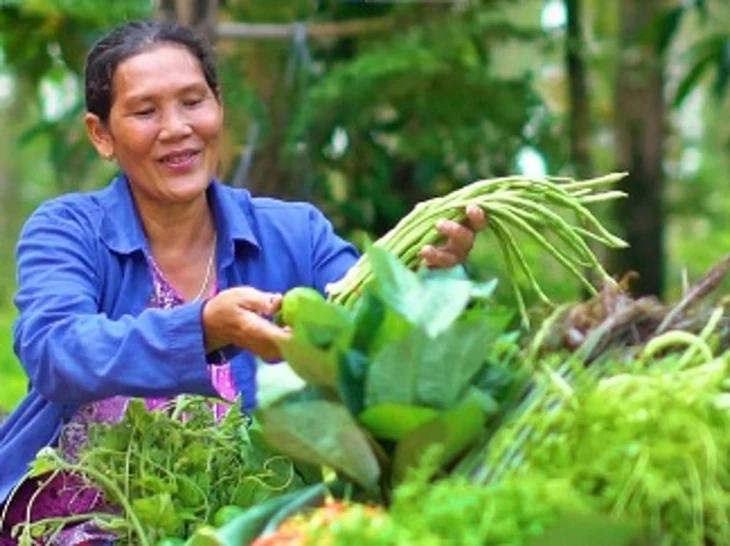
At the same time, nutrient-rich treated water that supports plant growth (“bio-fertilizer”) is also reused on the farms to irrigate trees, lawns, and chemical-free vegetable plots grown by employees in unused farm areas.
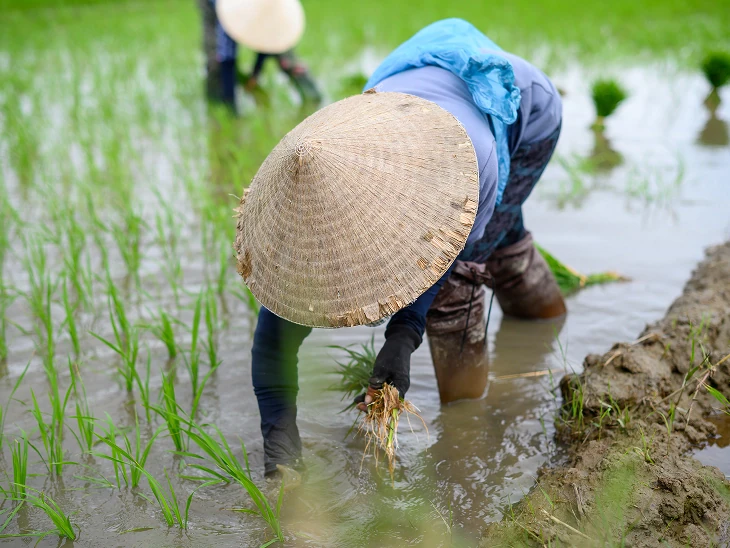
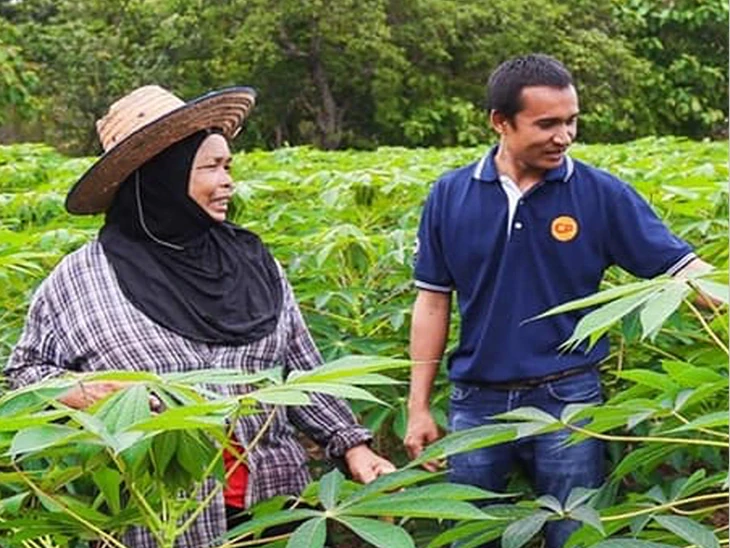
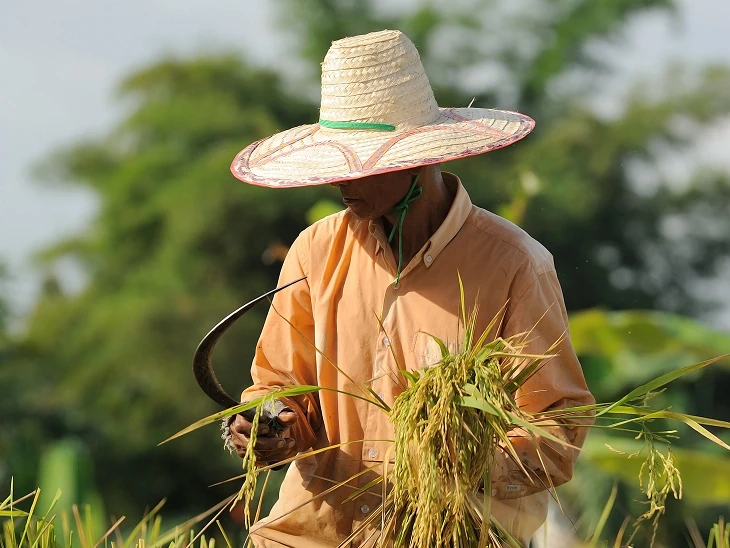
Following demonstrated success and growing interest from surrounding farmers and communities, the Company expanded the initiative into the “Bio-Fertilizer Sharing Project,” launched in 2001 for the swine business and in 2021 for the layer poultry business. The program has since been progressively scaled across all farms. Through the project, farmers and local communities utilize nutrient-rich bio-fertilizer water to irrigate gardens and a wide range of crops, including fruit orchards, rice fields, teak, rubber, eucalyptus, oil palm, sugarcane, corn, cassava, animal fodder, and vegetable plots. The initiative has contributed to mitigating drought-related impacts, strengthening year-round community water security, reducing fertilizer expenditures, decreasing reliance on chemical fertilizers, and improving crop yields and household income. In addition, the project has evolved into a practical learning platform that supports knowledge sharing and capacity building within the community.
Through this process, the swine and layer poultry businesses have implemented an integrated approach to water management that reduces raw water use, improves water efficiency, minimizes environmental impacts, and delivers long-term benefits for both the farms and surrounding communities.
