Water Stewardship


Target

Performance

Water is a vital natural resource that supports life, ecosystems, and long-term economic and social development—especially in the agro industrial and food sectors. The Food and Agriculture Organization of the United Nations (FAO) reports that more than 70% of global freshwater is used for agriculture. As the world’s population grows and industry and farming continue to expand, overall water demand keeps rising. At the same time, climate change is worsening water challenges through more severe droughts, floods, and sea-level rise. These impacts affect economies, communities, and the environment, and can threaten access to clean and safe water—a fundamental human right—while also increasing long-term costs and business sustainability risks.
Because water is essential across the Company’s value chain, both directly and indirectly, responsible water management is a critical tool for managing risks related to water availability and water quality. It also helps strengthen resilience to climate change, supporting stable operations and sustainable growth for the Company and its suppliers. Ultimately, effective water stewardship contributes to protecting food security and conserving natural resources across all sectors.
Interactions with Water Resource across Value Chain
Supplier
- Cultivation of feed crops
- Production of food raw materials
Operations
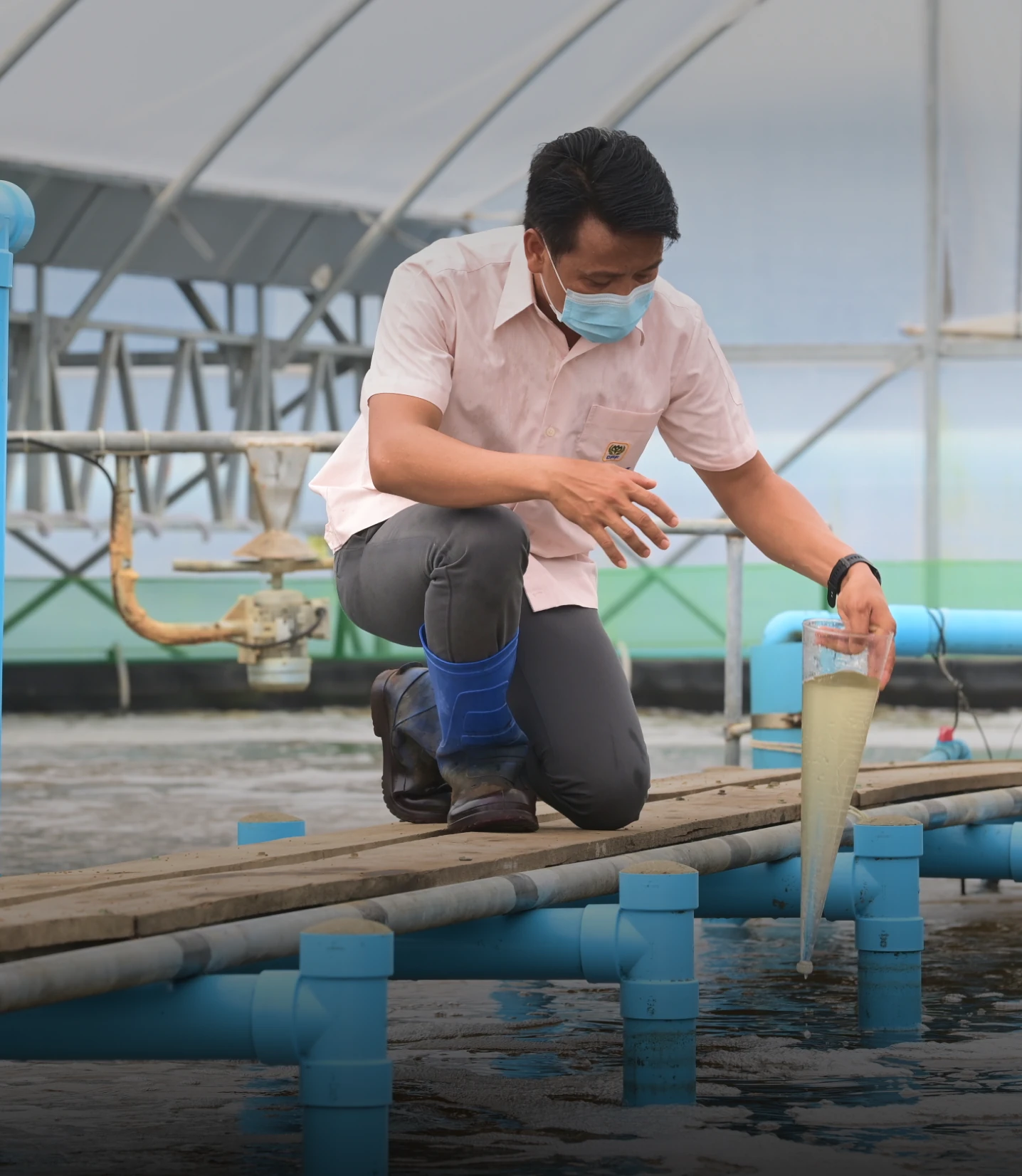
- Livestock farming and aquaculture
- Production of food and animal feed
- Cleaning of facilities and equipment
- Steam production and cooling
Customers and Partners
- Livestock farming and aquaculture
- Production of food
- Cleaning of facilities and equipment
- Steam production and cooling
Management Approach
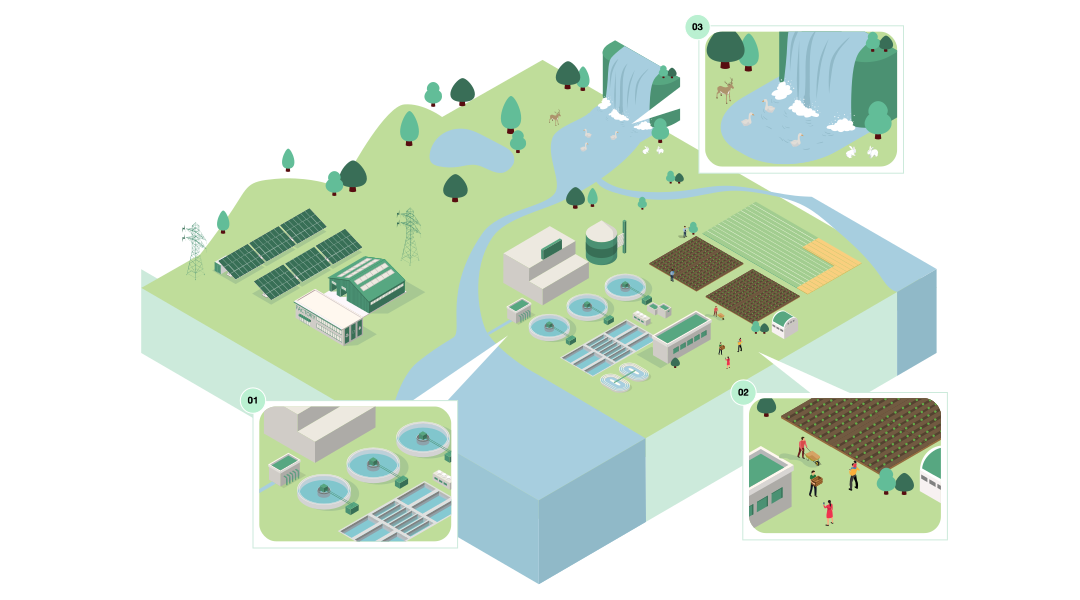
CPF recognizes that effective water management is essential for protecting food security and building resilience to climate change. For this reason, the Company is committed to managing water responsibly through an integrated approach that looks at water use across its operations and supply chain, and a participatory approach that encourages collaboration and shared action with relevant stakeholders (a holistic approach and collective effort).
Holistic Approach and Collective Effort
Water Stewardship in Business Operations
Commitment
Ensuring water security throughout the value chain
Approach
Within Operations
- Assessing water risks for the Company and the supply chain, to develop management measures.
- Managing water resources responsibly according to the 3Rs principle, while considering the impact on surrounding communities, including aspects of quantity, quality, resilience, and awareness.
In the Supply Chain
-
Promoting understanding and knowledge of water stewardship among stakeholders in the supply chain, including:
- Smallholder feedstock farmers.
- Livestock contract farmers.
- Critical suppliers and small and medium-sized enterprises (SMEs) classified as high-water-risk.
Water Stewardship with Communities
Commitment
Promoting access to clean water and sustainable community water management.
Approach
- Participatory water management.
- Enhancing food sources and support for communities.
- Raising awareness among youth.
Water Stewardship through Forest Restoration
Commitment
Protecting and restoring forest areas that are at risk of water-related issues or hold ecological significance.
Approach
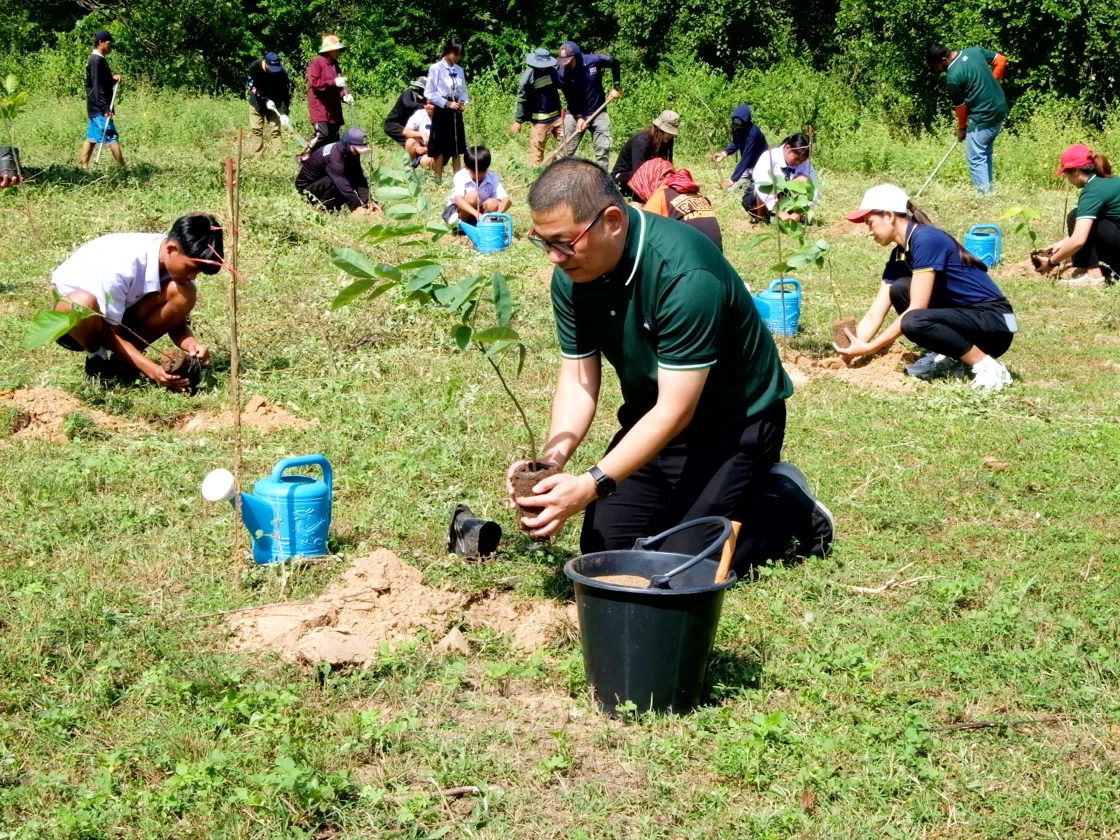
- Conservation and restoration of watershed forests, mangroves, and areas within the Company’s farms and facilities.
- Protection of biodiversity.
- Fostering stakeholder engagement both internally and externally.
- Assessing impacts and value to society and ecosystems.