Effective Management of Water Resources in Business
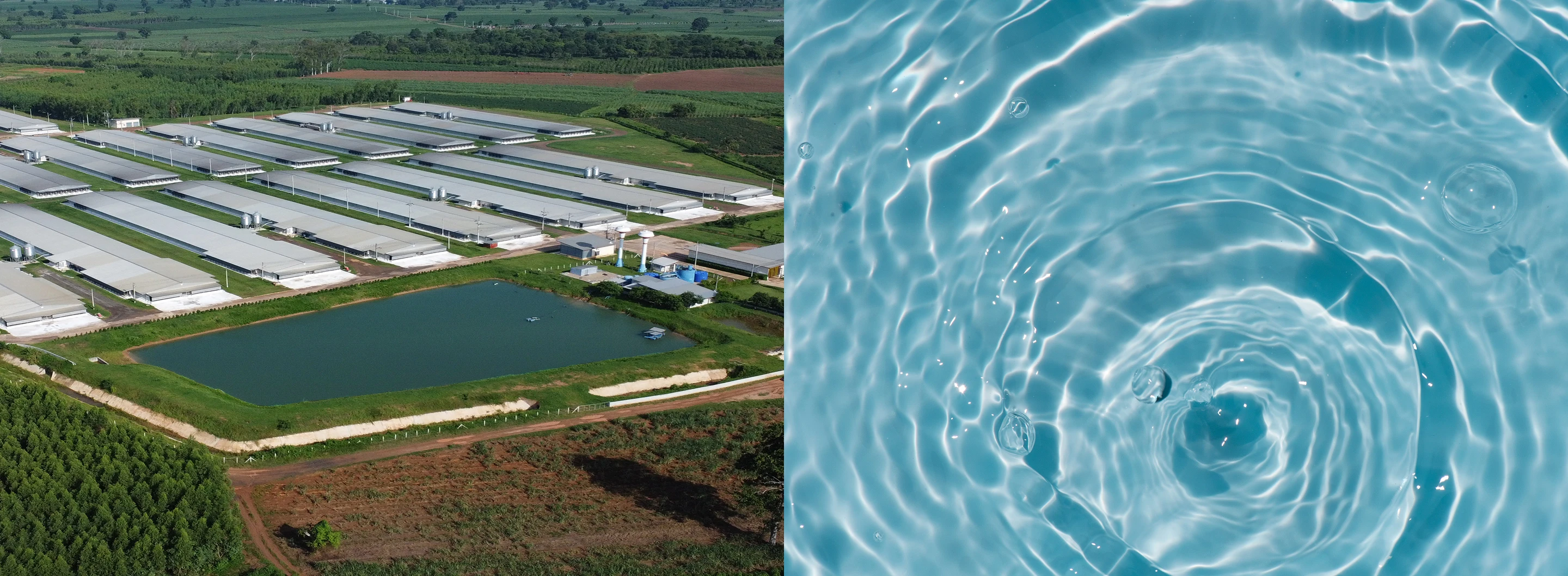
The Company follows its Safety, Health, Environmental, and Energy Policy & Standard (CPF SHE&En Policy & Standard), along with related technical requirements, to guide how it manages water. These guidelines aim to improve water-use efficiency and reduce harmful impacts by ensuring water is used responsibly and any wastewater released back into the environment is properly controlled.
Enhancing Water Efficiency Within the Organization
The Company aims to get the most value from every drop of water while reducing water loss by using a Circular Water Management approach. It applies the 3Rs principles to manage water efficiently across all operations—from animal feed production and livestock farming to primary processing and food manufacturing.
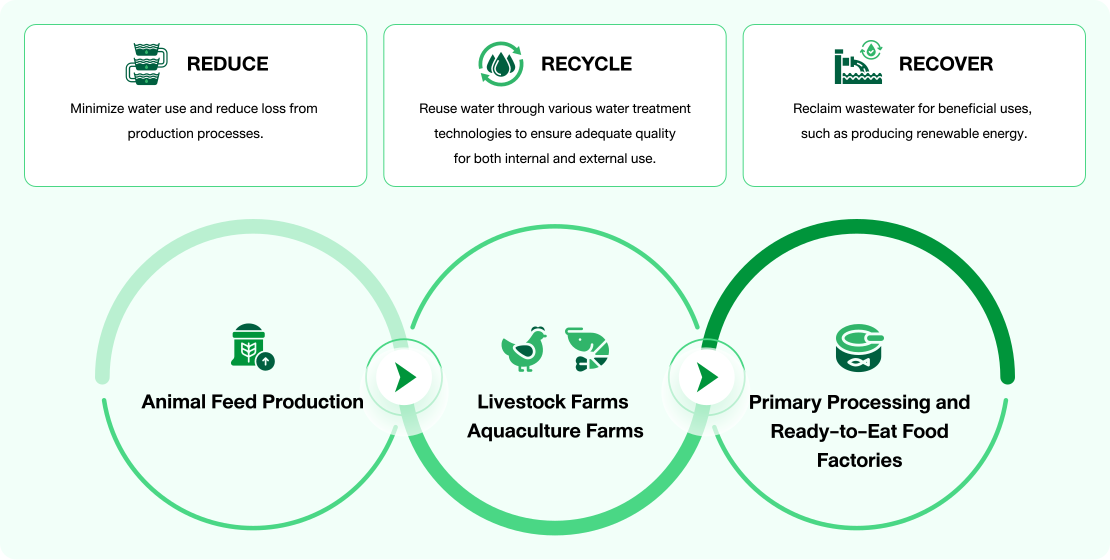
Animal Feed Production
-
Automated Control Systems
Using Internet-of-Things (IoT) to manage water use and reduce water loss.
-
Intelligent Boiler
Reducing raw water and energy use in steam production.
-
Smart Pellet Mill
Minimizing water and energy loss by effectively mixing steam with products.
Livestock Farms
-
Evaporator Technology
Adjusting the timing of water use in evaporation systems to reduce water loss.
-
High-Resolution Filtration Technology including Ultrafiltration (UF) and Reverse Osmosis (RO)
Treats water to meet potable water standards for recirculation.
-
Continuous Stirred Tank Reactor (CSTR) Technology for Biogas Production
Efficiently reduces organic matter in wastewater through biological processes, producing electricity from renewable energy while allowing the use of sludge as fertilizer.
-
100% Water Recovery
Minimizes dependence on external water sources to reduce environmental impacts.
-
Installation of Water Intake Treatment Systems
Improving groundwater and surface water quality.
Aquaculture Farms
-
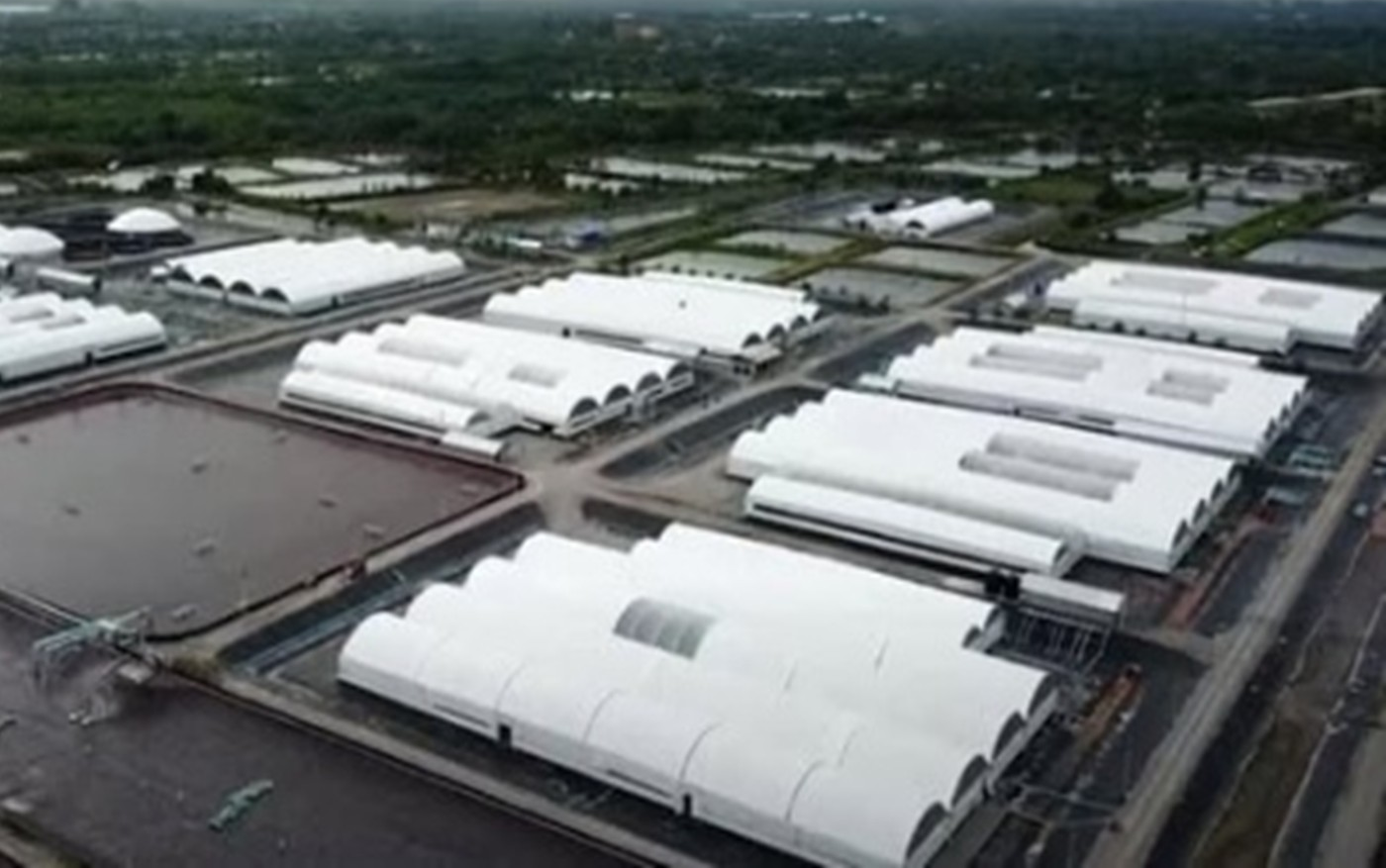
Biofloc Technology
Utilizes beneficial microorganisms to treat organic matter and waste within shrimp farms, reducing external water withdrawal by up to 75%.
-
UF and RO Filtration Technology.
-
Zero Discharge Measures
for model shrimp farms.
Primary Processing and Ready-to-Eat Food Factories
-
Air-Chilled Systems
Replacing cold water usage in poultry processing plants, achieving a reduction in water use by approximately 15% compared to traditional production methods.
-
Electrocoagulation Technology
Wastewater treatment utilizing electric currents, reducing energy and chemical use by separating suspended solids, oil, and bacteria from food industry wastewater.
-
High-Resolution Filtration Technology including Ultrafiltration (UF) and Reverse Osmosis (RO)
Used for cooling systems and general purposes.
-
CSTR Technology
Efficiently reduces organic matter in wastewater through biological processes, producing electricity from renewable energy while allowing the use of sludge as fertilizer.
-
UF & RO Wastewater Treatment Project
For use in cooling systems and general purposes.
-
Installation of Water Intake Treatment Systems
Improving groundwater and surface water quality.
-
Recycling treated wastewater for general use
Used for cleaning areas and roads around the factory and for sanitation systems.
The Company regularly tracks and records how much water it withdraws and uses across its operations, including the volume taken from areas experiencing water stress. It uses this information to set strategies and measurable targets to improve water-use efficiency.
The Company assessed the Water Scarcity Footprint for its fresh chicken products at 88 liters of water equivalent per kilogram of product (L H2O eq./kg product). This analysis was conducted in accordance with the product water footprint assessment guidelines and the specific requirements for fresh chicken and processed chicken products under the Product Life Cycle Groundwater Use Assessment Project (Water Footprint), certified by the Water and Environment Institute for Sustainability (WEIS), Federation of Thai Industries.

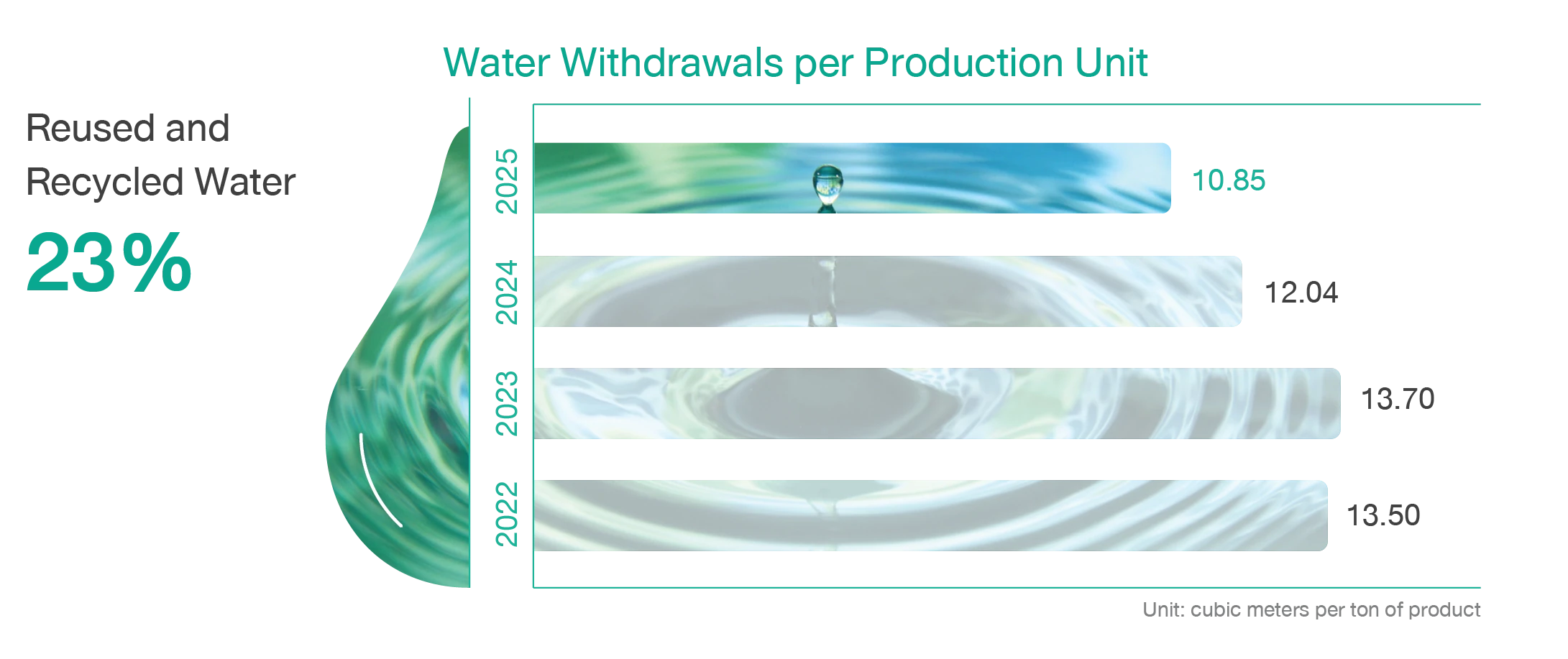
Water Withdrawal from All Areas
Water Consumption in All Areas
Management of Wastewater Before Discharge
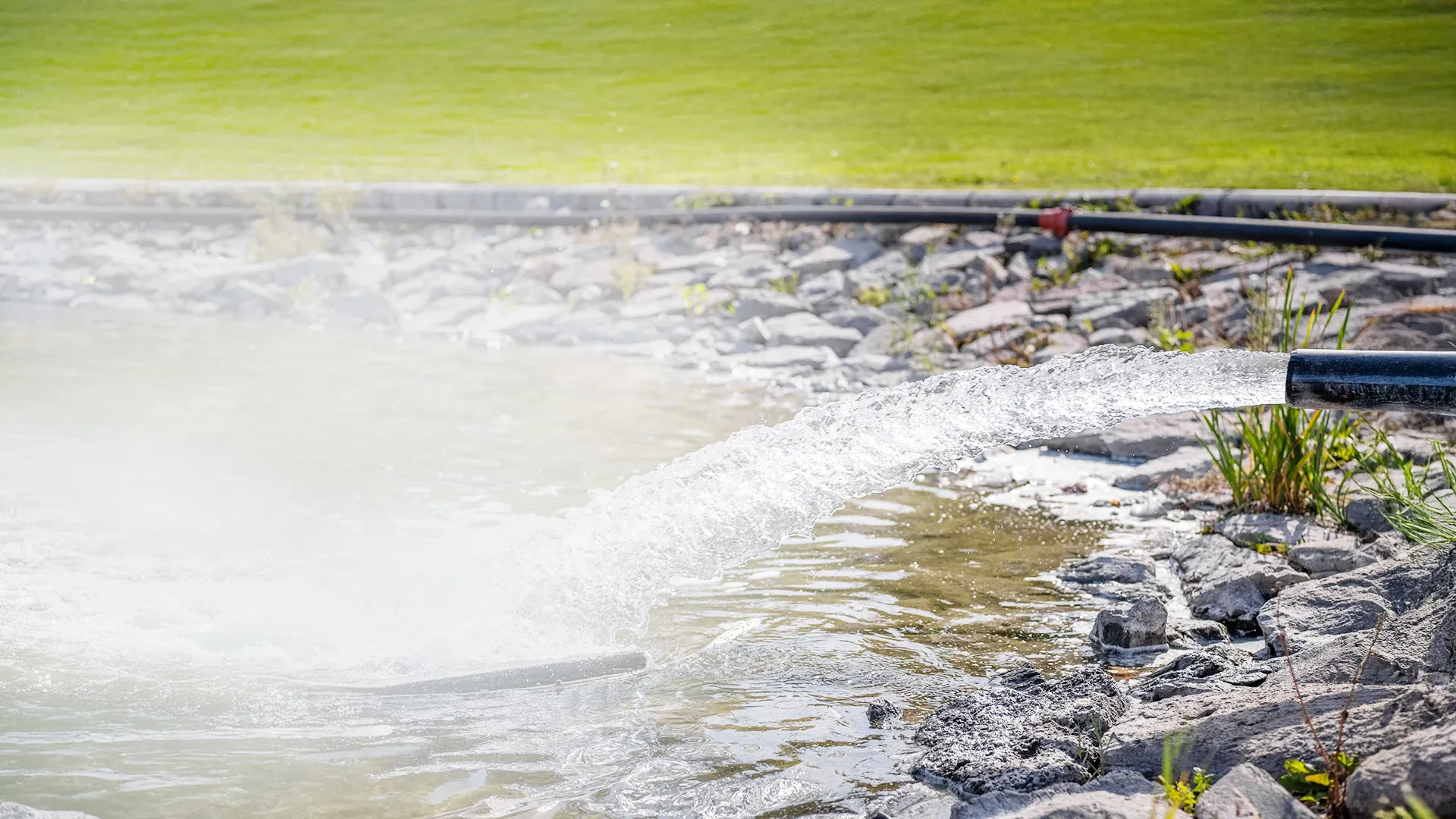
The Company inspects and monitors the quality of treated wastewater prior to its discharge into the environment, ensuring it meets legal requirements and the CPF SHE&En Standard. It also maps sensitive water-receiving areas—such as conservation zones, regulated water sources, and waterways that local communities depend on, to prevent harm to people and ecosystems. Regular monitoring and assessment of the quality of external water sources are also conducted to ensure compliance and environmental integrity.
Water Discharge in All Areas
with 18% discharged into water stressed areas.
Quality of Discharged Water
BOD Quantity
Nitrogen Quantity
Promoting Awareness Within the Organization
The Company regularly builds employees’ understanding of water resource management by providing online training for both existing staff and new hires. It also creates learning materials and shares them through internal online platforms so employees can easily access and review the information whenever needed.
Activities
-
Training
-
Educational Media and Communication
-
Integration into Daily Operations
-
Fostering engagement through various activities.

Target Audience
-
New Employees
-
Existing Employees

Goals
-
Build understanding on the benefits of water resource management through innovation and community engagement.
-
Understanding respective roles in sustainable water stewardship.

Water Management in the Supply Chain
The Company encourages and supports its suppliers to operate in an environmentally responsible way. To do this, it includes water management expectations in its Sustainable Sourcing Policy and Supplier Guiding Principle, in line with the Company’s water management strategy. Key focus areas include:
Water Reduction
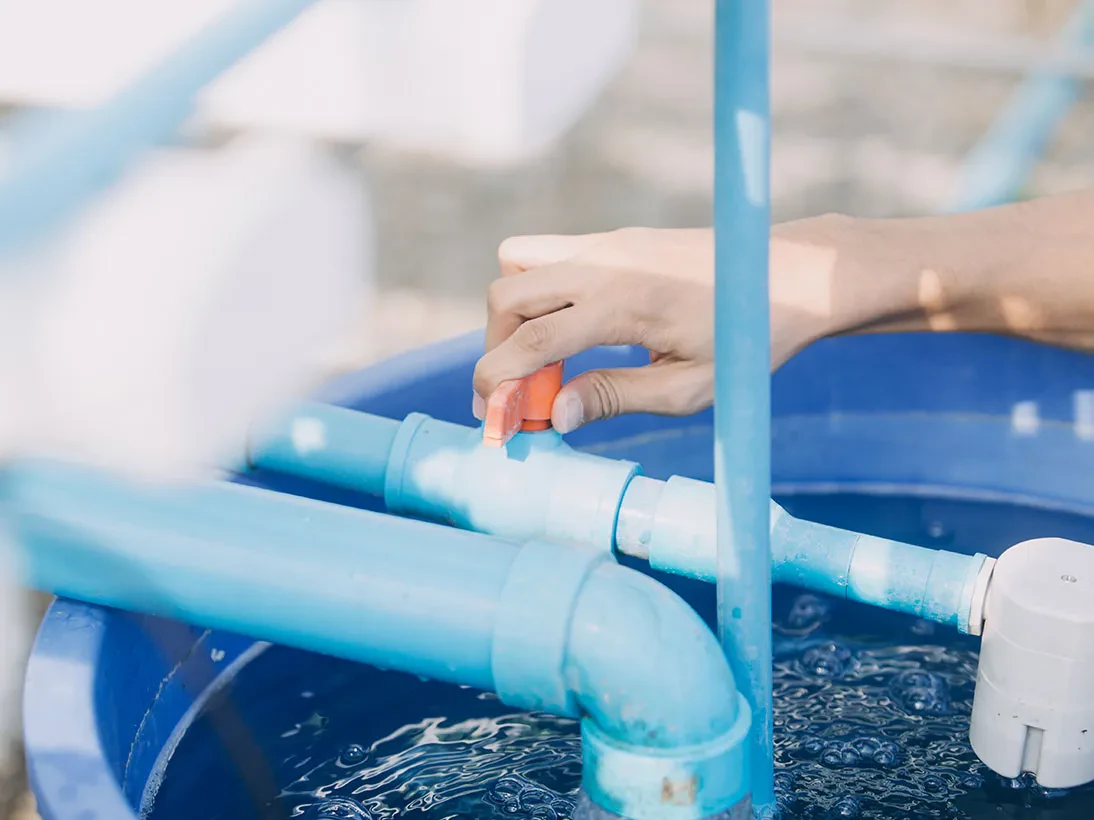
Wastewater Management
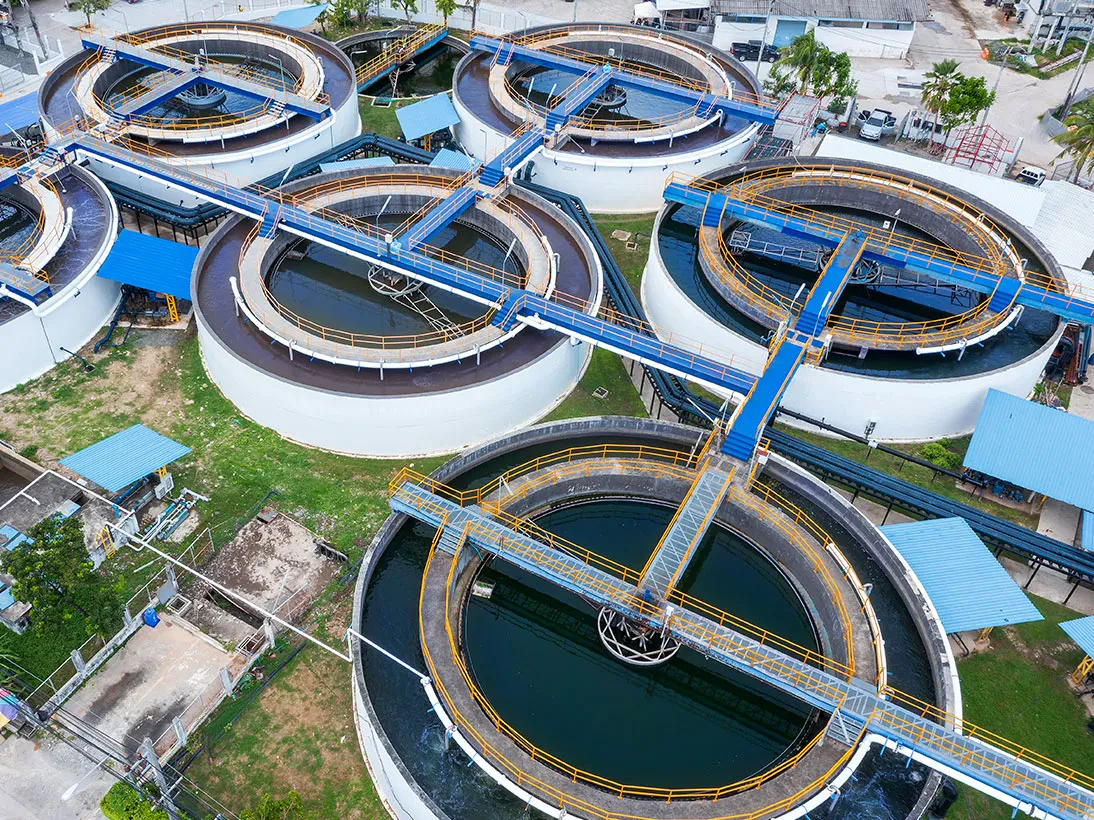
Water Security Planning
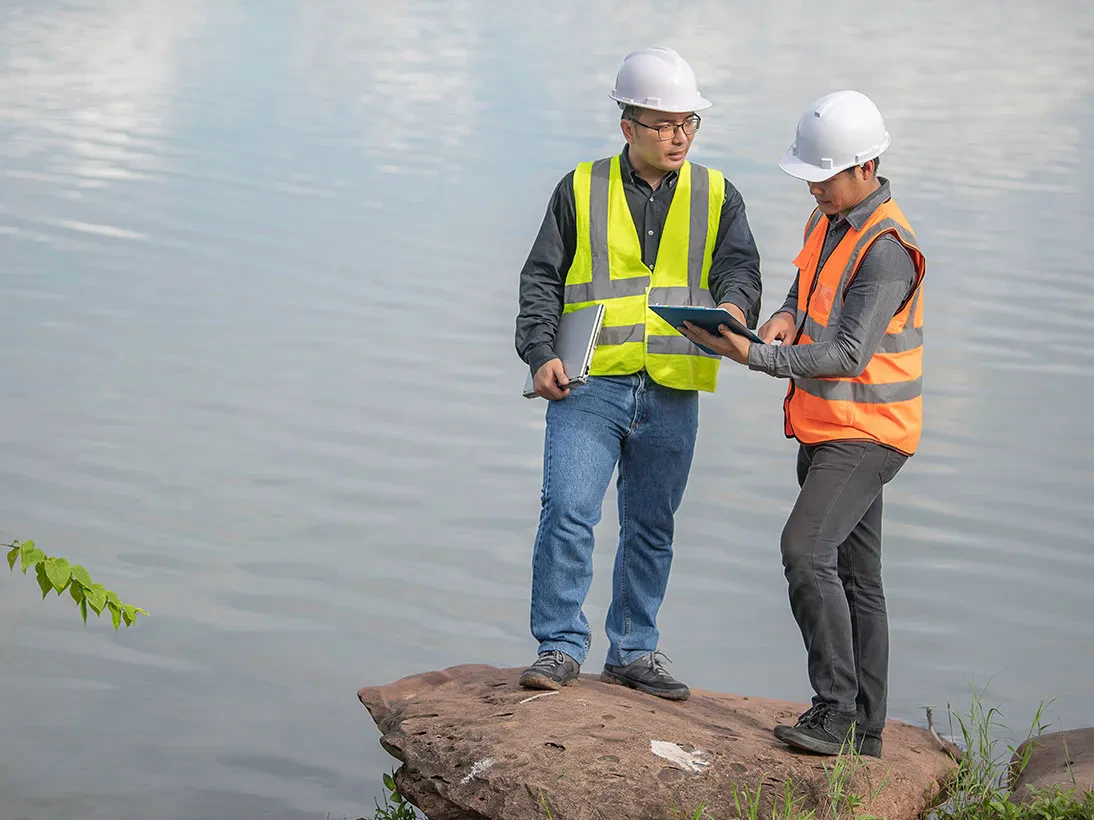
To ensure suppliers’ operations align with the Company’s strategy and policies—and to strengthen long-term water sustainability across the supply chain—the Company has taken the following actions:
- Suppliers across the value chain are assessed for risks related to water dependence and the potential impacts of their business activities.
-
Critical Suppliers in Thailand and Vietnam*:
- Completed detailed risk assessments on water quantity and water quality, tracked relevant legal/regulatory changes, and evaluated stakeholder impacts using a Self-Assessment Questionnaire.
- Conducted onsite audits based on each supplier’s risk level. For suppliers identified as high risk, the Company works with them to develop risk mitigation plans and monitors how effectively those plans are implemented.
- Organized supplier capacity-building activities, with training provided by both internal and external experts to help improve operational practices.
For more detailed information, please refer to “Risk Assessment and Supplier Audit.”
*Note: Core Operations represent over 50% of total revenue.
Our Commitment on Water Actions
Own Operations
The Company builds effective water management into every stage of its operations—from designing factories and farms, to running production processes, to choosing machines and technologies, and planning infrastructure in every country where it operates. As part of this approach, the Company sets both short-term and long-term targets to reduce water use.
In Thailand—where operations account for about 38% of the Company’s total revenue and include factories and farms in water-stressed areas (23% of all operational sites)—each business unit sets annual targets to reduce water use. The Company aims to cut water consumption per unit of production by 40% by 2030, in line with its global goal. To achieve this, it systematically launches and implements water-saving projects by improving processes and continuously investing in high-efficiency technologies suited to each business activity. These efforts help reduce and optimize water use and lower reliance on external water sources.
At the same time, operations that use large amounts of water—such as swine, layer, and shrimp farms, as well as slaughterhouses and food factories—have launched projects and adopted water management practices based on the 3Rs principles. These efforts include using modern, high-efficiency technologies across all farms and factories to reduce, reuse, and recycle water wherever possible.
Pilot Project : Continuous Stirred Tank Reactor (CSTR) Wastewater Treatment System
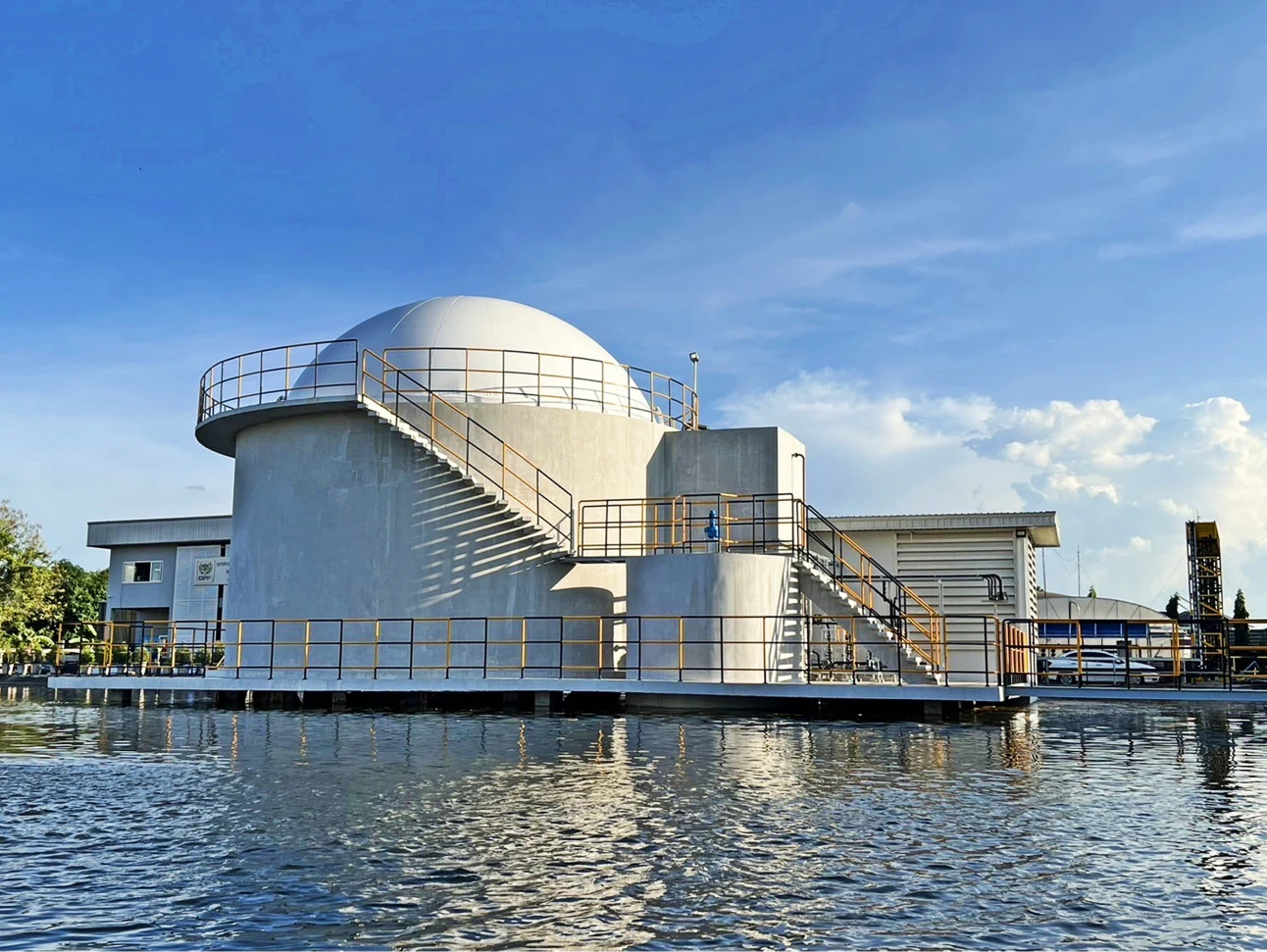
RECOVER & RECYCLE WATER: Transforming wastewater from swine and layer farms into energy and sharing bio-fertilizer to communities
Reduce with Biofloc, Recycle with Glass Filter : Sustainable shrimp farming with advanced and highly efficient technology
Recycle with UF & RO Technologies: High-Quality Water Recycling in the Food Business
Supply Chain
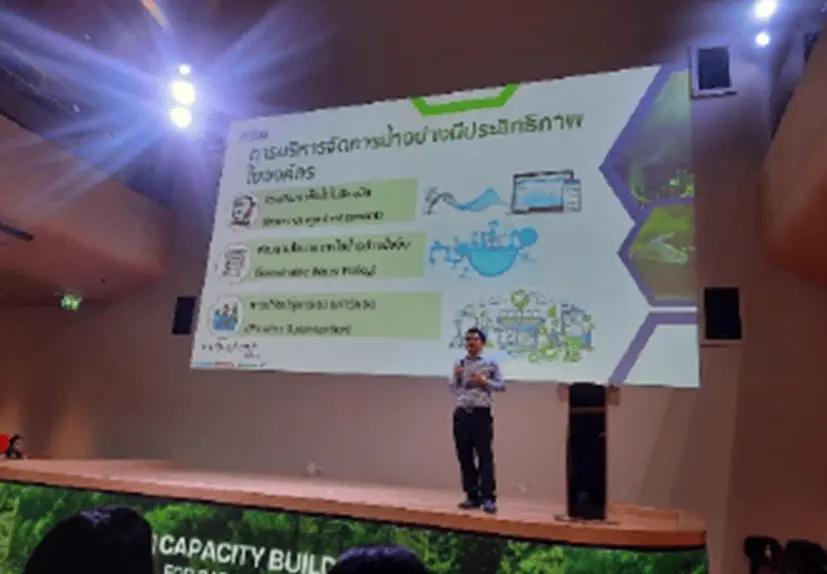
Suppliers’ Capacity Building: Enhancing Water Management Knowledge
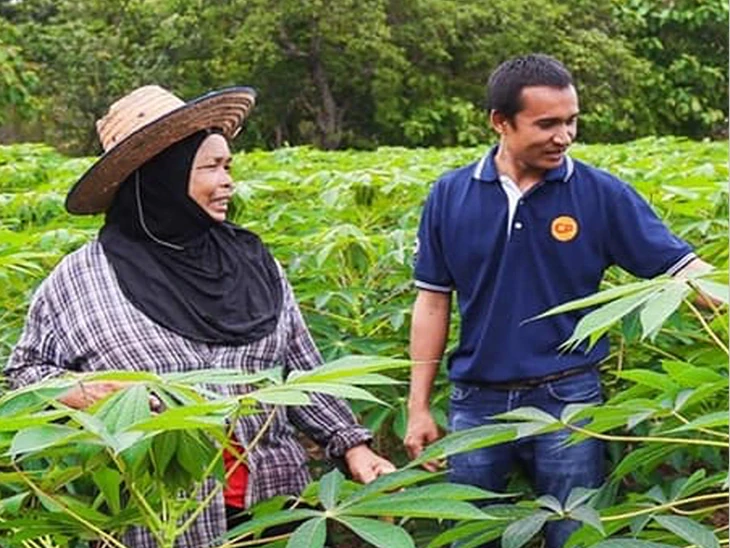
Supporting Animal Feed Farmers to Address Climate and Water Risks with the ‘F. Farm’ Application