Sustainability in Action
CPF Ecosystem Conservation Project (Rak Ni-ves Project), Pasak Watershed, Phraya Doen Thong Mountain in Thailand
Biodiversity Survey
Since 2019, our Thailand operations have partnered with academic and government organizations to measure biodiversity in our conservation and forest restoration sites. We collect data through field surveys using nets, pitfall traps, and camera traps. This information helps guide project management and improve how the areas are managed.
Faculty of Forestry, Kasetsart University


Forest Research and Development Bureau, Department of Forestry


Creatures in Habitat
Mammal
Reptiles
Amphibians
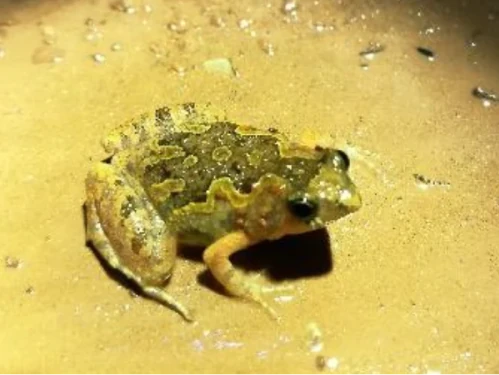
Noisy Chorus Frog
Butterflies

Mushroom and Fungi
Remarks :
Protected Wildlife refers to wildlife for conservation purposes as specified in the ministerial regulations, designating certain wildlife species as protected wildlife in 2003, under the Wildlife Preservation and Protection Act of 1992.
Appendix II of the CITES Convention: These are species of wild animals and plants that are not yet endangered. They can be traded, but controls are in place to ensure that their use does not negatively impact their survival.
Species classified by conservation status according to the IUCN Red List in the Rak Nives Pasak Watershed Khao Phaya Doen Thong Project Area
| CR Critically Endangered |
EN Endangered |
VU Vulnerable |
NT Near Threatened |
LC Least Concerned |
|
|---|---|---|---|---|---|
|
Bird
|
0 | 0 | 0 | 1 | 126 |
|
Mammal
|
1 | 0 | 0 | 0 | 12 |
|
Retile
|
0 | 0 | 0 | 0 | 20 |
|
Amphibian
|
0 | 0 | 0 | 0 | 16 |
|
Butterflies
|
0 | 0 | 0 | 0 | 1 |
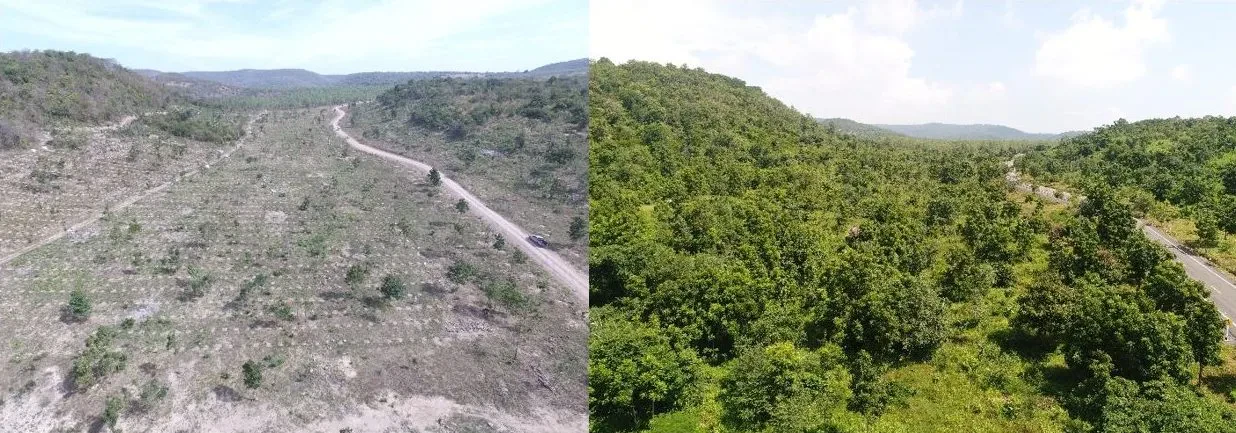
Forest restoration restores forest cover and demonstrates success through increased biodiversity and improved water retention. These water resources are essential for plant and animal life and also support nearby communities. In collaboration with the Faculty of Forestry, Kasetsart University, the Company conducted a post-implementation water retention assessment in the Khao Phaya Doen Thong area. The assessment found that the site retains more than 580,000 cubic meters of water, representing approximately 12 million baht in ecosystem service value—45% higher than adjacent degraded forest areas.
