Sustainable Sourcing
The Company has developed a traceability system to help ensure that food and feed ingredients are sourced responsibly and sustainably. This includes verifying that materials are deforestation-free, produced with respect for human rights, and obtained from legally compliant sources across the supply chain.
The Company has announced its Biodiversity and Zero-Deforestation Commitment in support of its net-zero greenhouse gas emissions ambition, guided by the Science Based Targets initiative (SBTi). The Company aims to source 100% of key raw materials—feed corn, soy, palm oil, and cassava—from deforestation-free sources by 2025 across its global operations.
To reinforce this commitment, the Company has also set a target to achieve 100% traceability of key raw materials—feed corn, soy, palm oil, cassava, and fishmeal—by 2025 across global operations. Additional information is provided in the Sustainable Supply Chain section under “Supply Chain Traceability.”
Performance 2025
Deforestation-Free Sourcing
Unit: % by weight

Feed Corn

Soy

Palm Oil

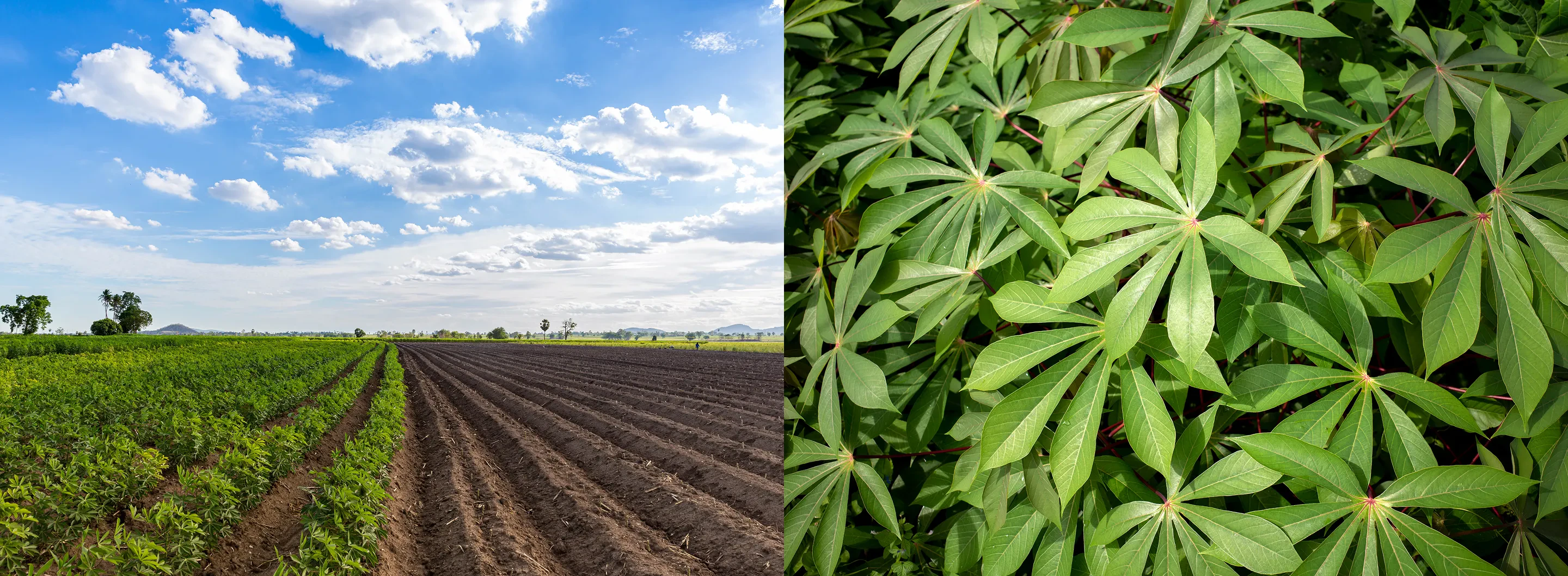
Cassava
Remark:
- The data covers key raw materials used in the feed business and procured by Bangkok Produce Merchandising Plc across operations in Thailand, Vietnam, the Philippines, Cambodia, Malaysia, India, and Laos, as well as key raw materials used in the food business in Thailand and Vietnam. The four key raw materials include feed corn, soy, palm oil, and cassava. A cut-off date of 31 December 2020 is applied to determine forest status.
- Of the total raw materials sourced, 30.0% comprised deforestation-free soybeans, including 19.8% certified under Round Table on Responsible Soyn (RTRS) and U.S. Soy Sustainability Assurance Protocol (SSAP) . 11.1% comprised deforestation-free palm oil, all of which was Roundtable on Sustainable Palm Oil (RSPO) certified.
However, achieving this goal is challenged by the limited availability of third-party certified materials and their higher costs, as well as declining consumer purchasing power amid a global economic slowdown influenced by geopolitical factors. In response, the Company is leveraging its internally developed traceability system and integrating it with leading suppliers across the value chain, while validating the system’s integrity through internationally recognized independent third-party verification. This approach supports the scalable sourcing of qualified deforestation-free raw materials in line with growing demand. Accordingly, the Company has reviewed and extended its deforestation-free sourcing target timeline from 2025 to 2030 and will disclose progress on an annual basis.
The Company has established processes to verify and ensure the sustainable sourcing of its key raw materials, as outlined below:
Globally Recognized Standards
Prioritizing Farmers with Land Authorization Documentation
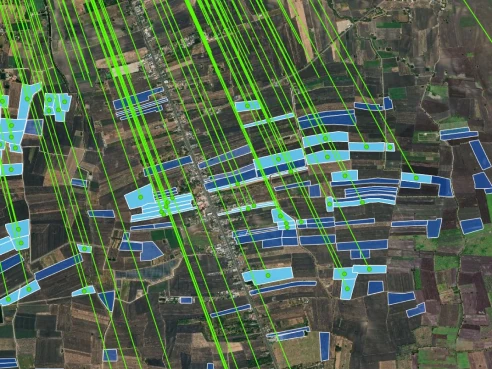
GPS Technology and Satellite Imagery
Connecting Traceability Database with Suppliers
Feed Corn
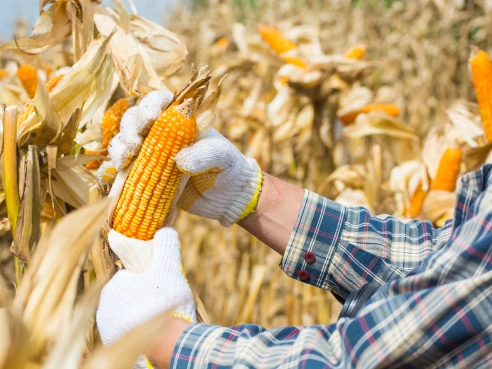
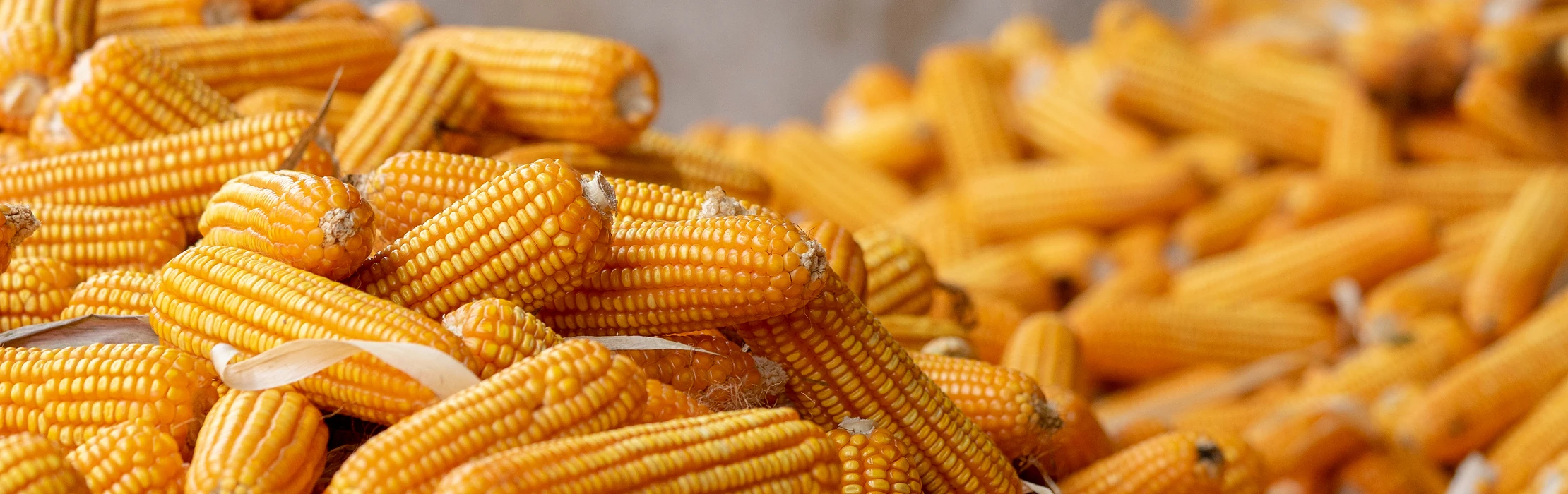
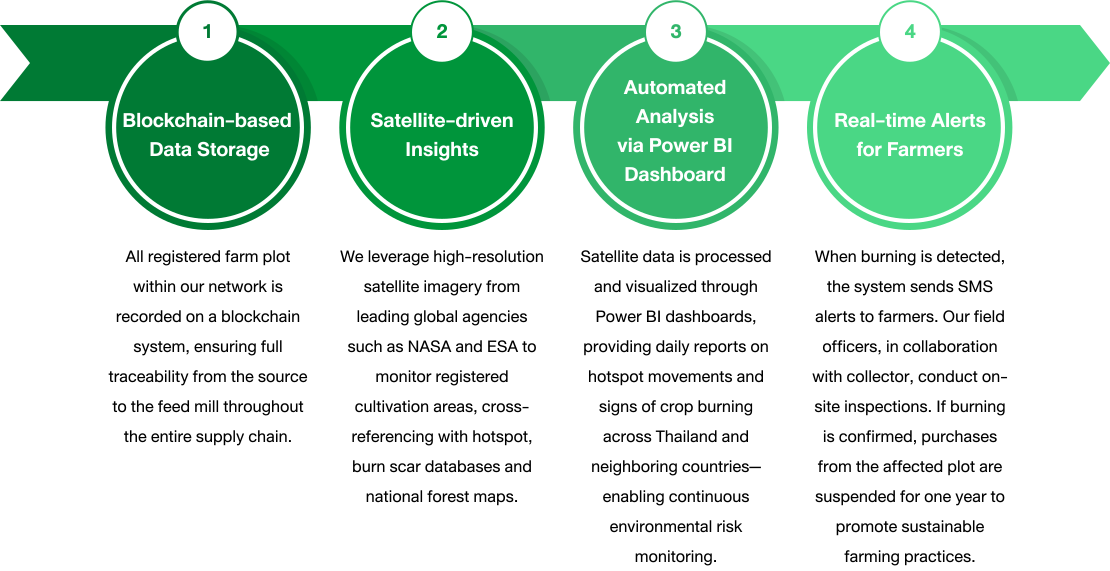
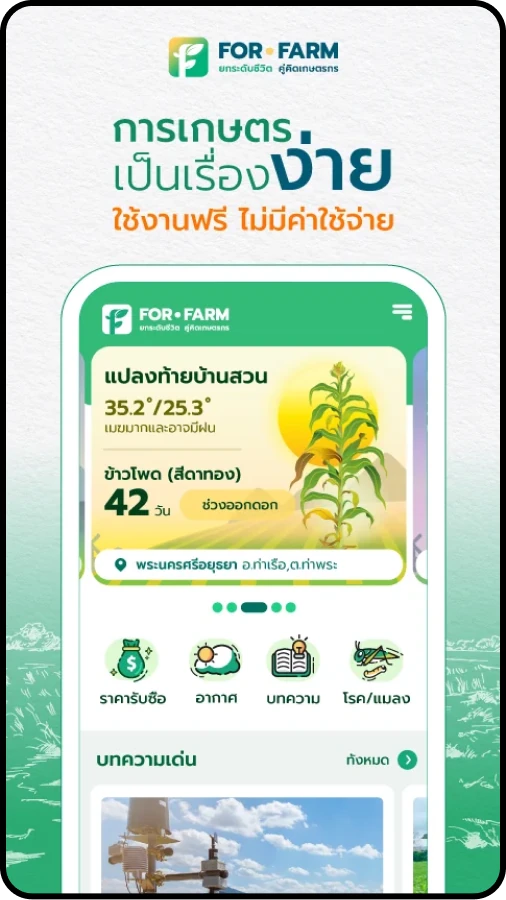
The Company has operated a corn traceability system in Thailand since 2016 to help ensure its supply chain does not include raw materials associated with deforestation or stubble burning. In addition, the Company has introduced blockchain-enabled data connectivity to improve the accuracy, transparency, and speed of tracing agricultural ingredient origins. The “F. Farm” application supports farmer registration and system use, while also providing guidance to farmers on sustainable agricultural practices.
CPF Traceability System
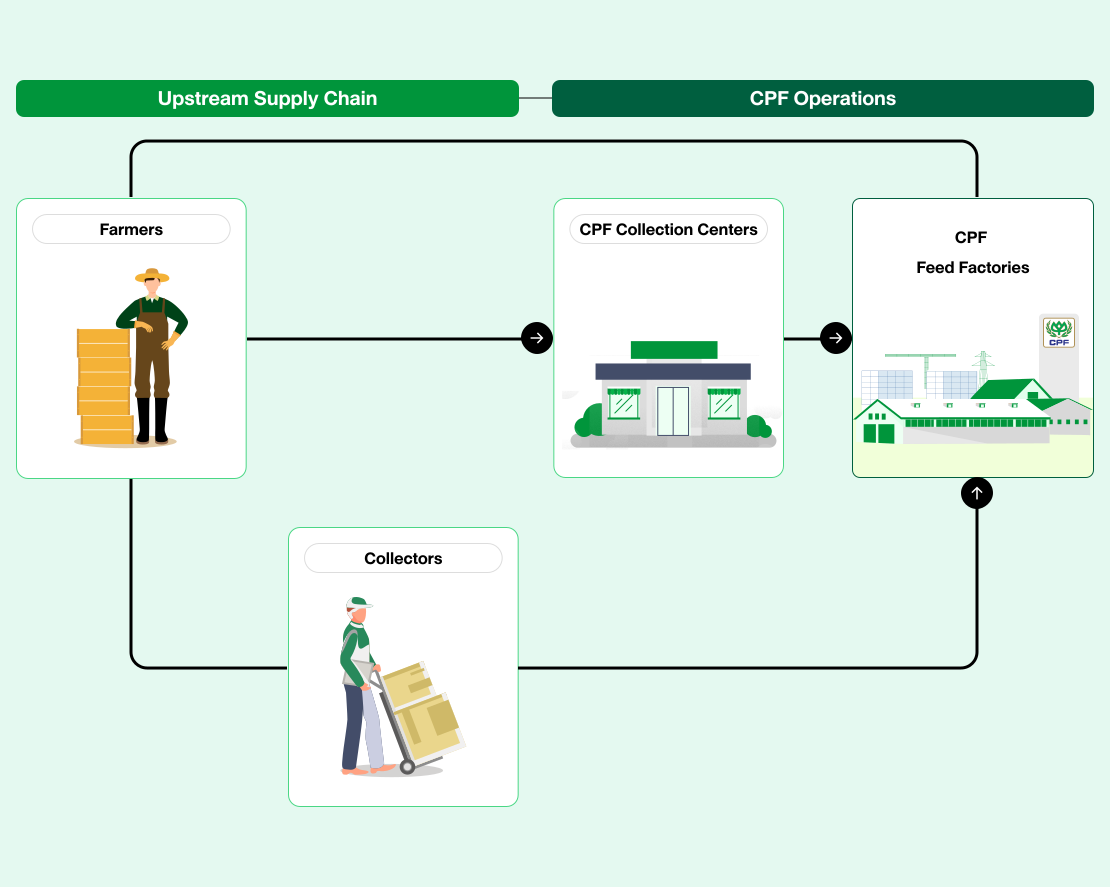
Creating transparency throughout the supply chain Blockchain technology covering all steps from plantation and transportation to feed mill. Satellite imagery and GPS technology to monitor stubble burning.


Farmers
- Register into the traceability system.
- Record agricultural production.
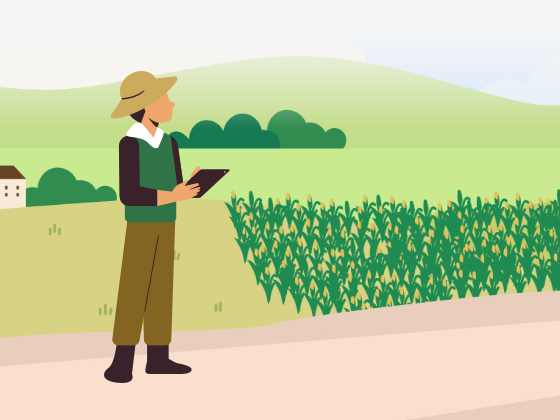

Verification of Plantation Plot
- Data verification by our personnel

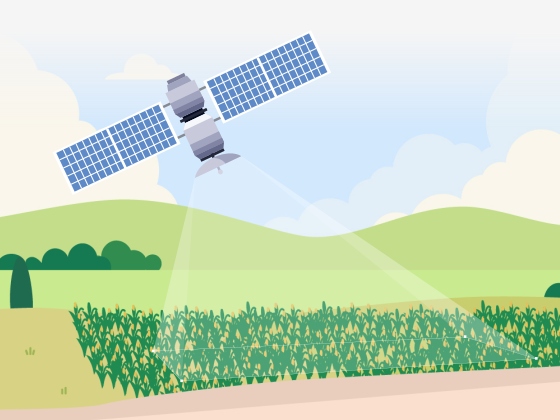
Monitoring of stubble burning
- Monitored through satellite imagery.
- If burning is detected, we will investigate on-ground to verify and educate farmers. Repeated burning results in 1 year ban.
Collectors
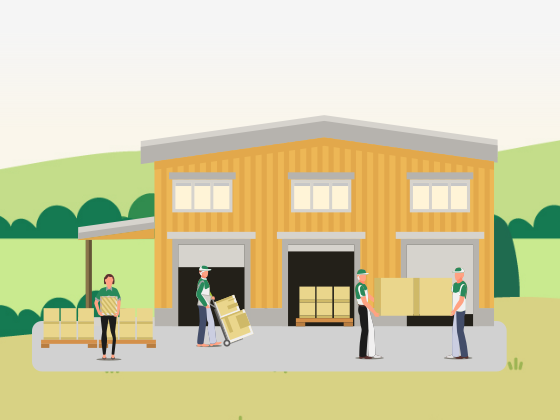
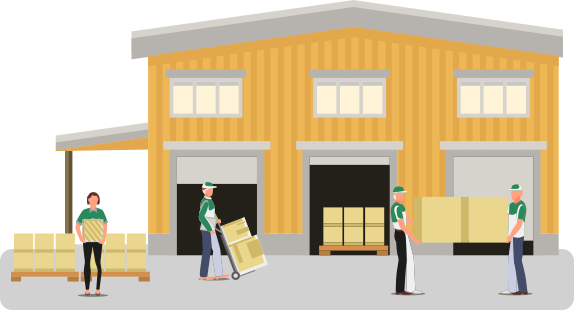
- Register into the traceability system.
- Record transaction of raw materials.
Freight
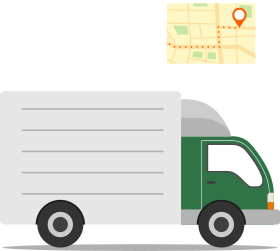
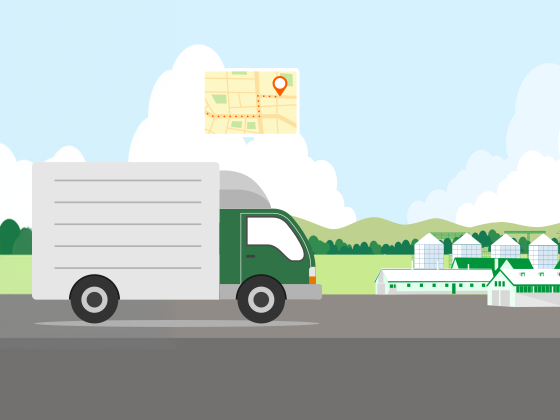
- Registered and tracked via GPS.
CPF Feed Mills
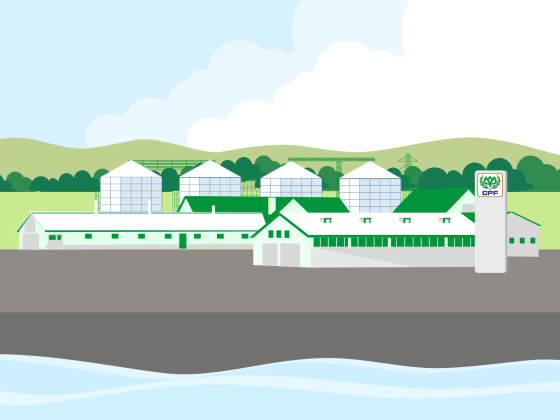
- Purchase feed raw materials.
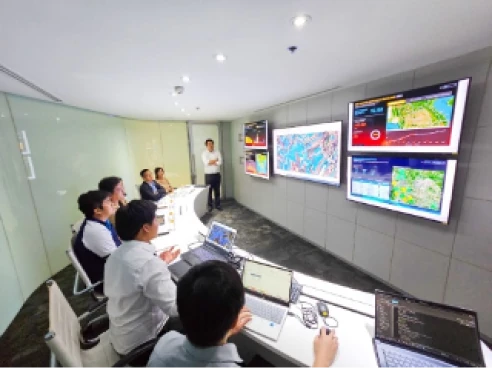
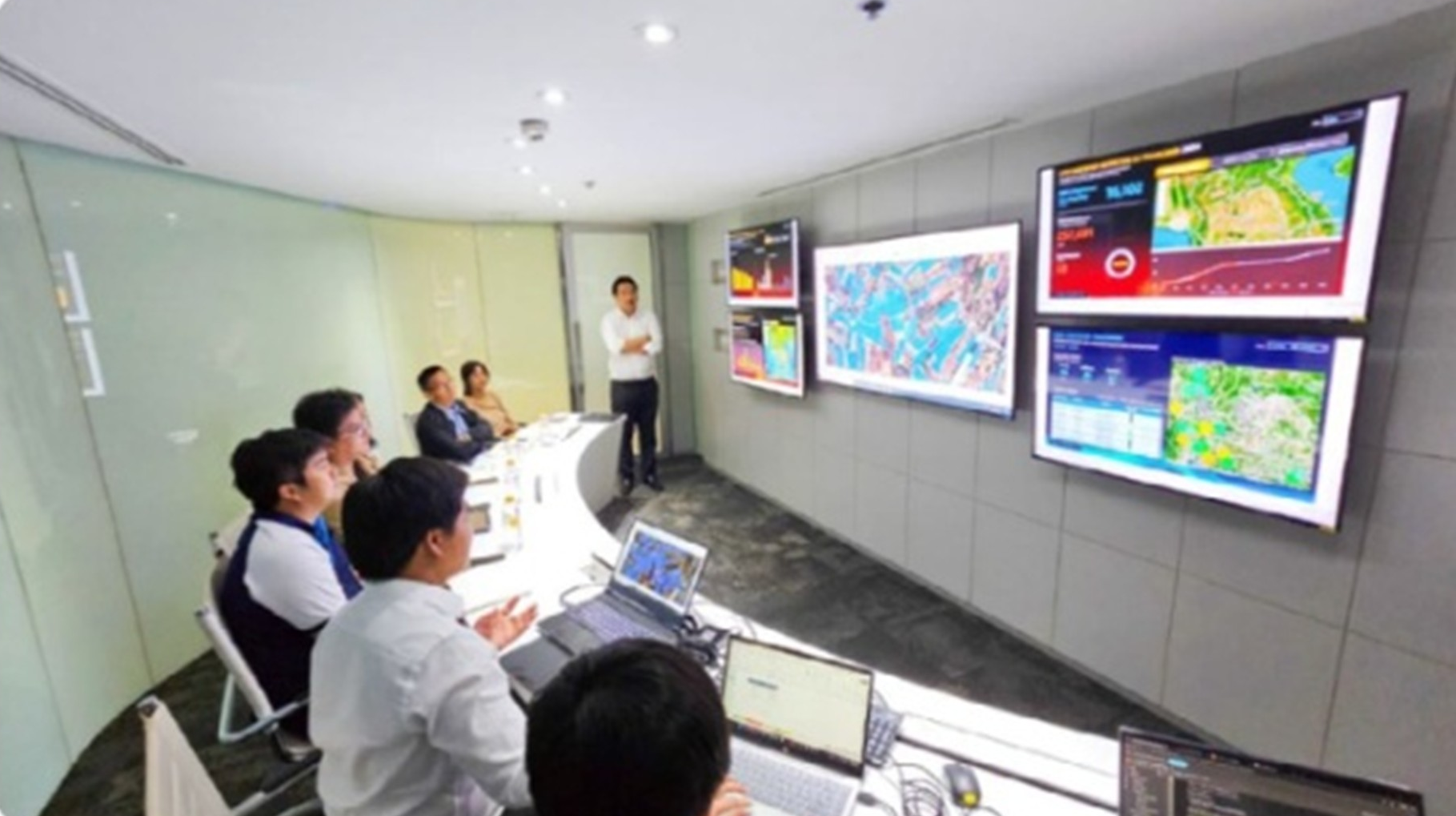
Crop Burning Monitoring Technology through Traceability Room
Reporting Channels for Corn Stubble Burning
For Farm Application: “A Smart Buddy for Thai Farmers”

Android Only


For Farm Application
The Company developed the F. Farm application to allow farmers to enroll in the traceability system before supplying their produce to the Company. Through the application, farmers can upload supporting documents, submit required information, and provide cultivation-plot coordinates for verification. This supports the Company in validating farm locations, tracking verification outcomes, collecting relevant data, and confirming the origin of crops.
In addition, the application provides farmers with access to market price information for key commodities (feed corn, cassava, rice, and palm oil), weather forecasts, and natural-disaster alerts. It also offers practical guidance on pest and disease management, production calculations (e.g., measuring corn ear size), plot mapping, and sustainable farming techniques. This includes recommendations on the appropriate and efficient use of fertilizers and crop-protection chemicals to help reduce soil degradation, conserve water, strengthen climate resilience, improve soil quality, and lower greenhouse gas emissions from agricultural activities.
Furthermore, the application serves as a reporting channel for stubble burning incidents, allowing users to upload photos and pinpoint the location of affected plots for follow-up.
Feed Corn Traceability

Traceability Operation Room
Partner to Green Project
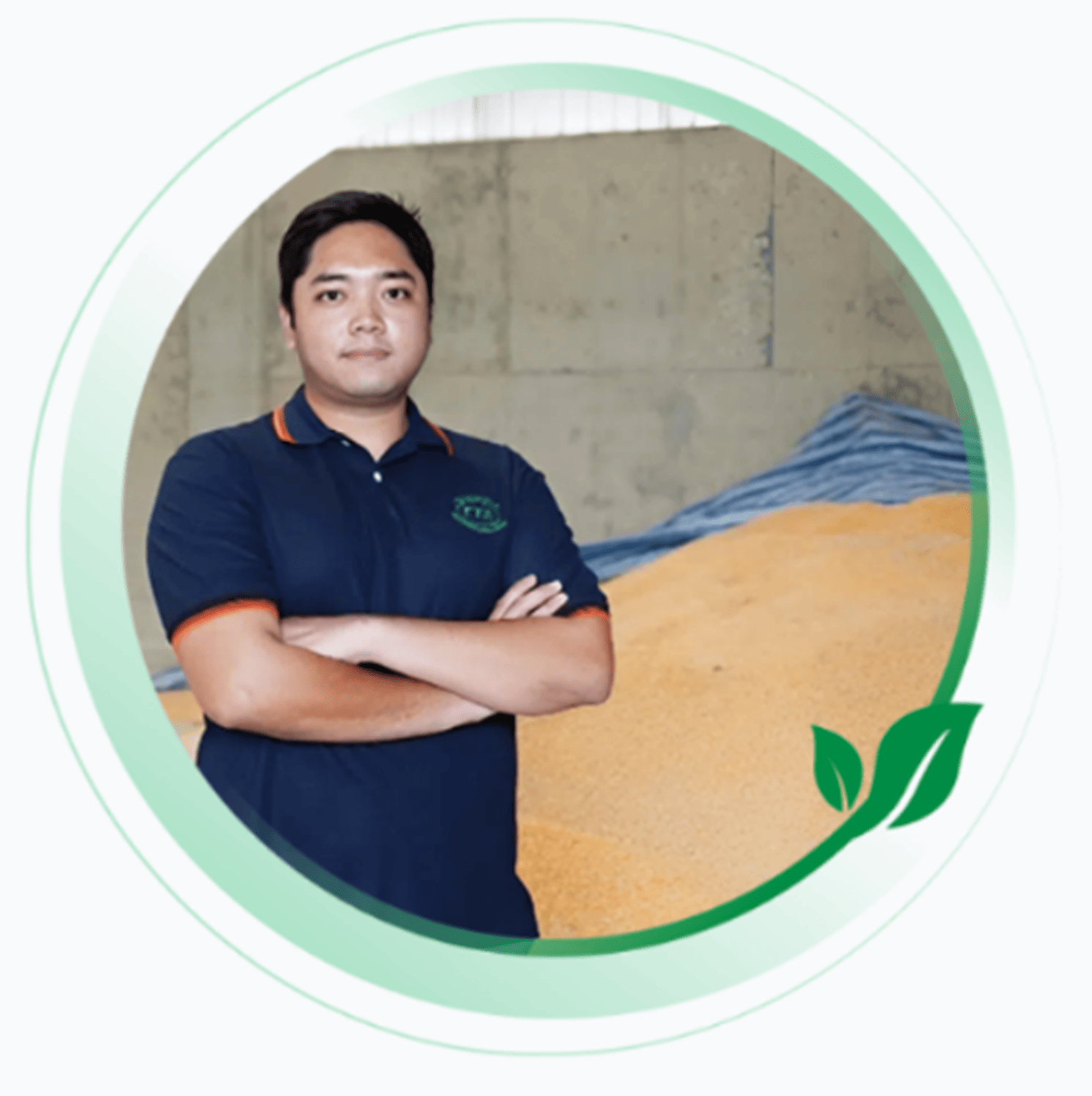
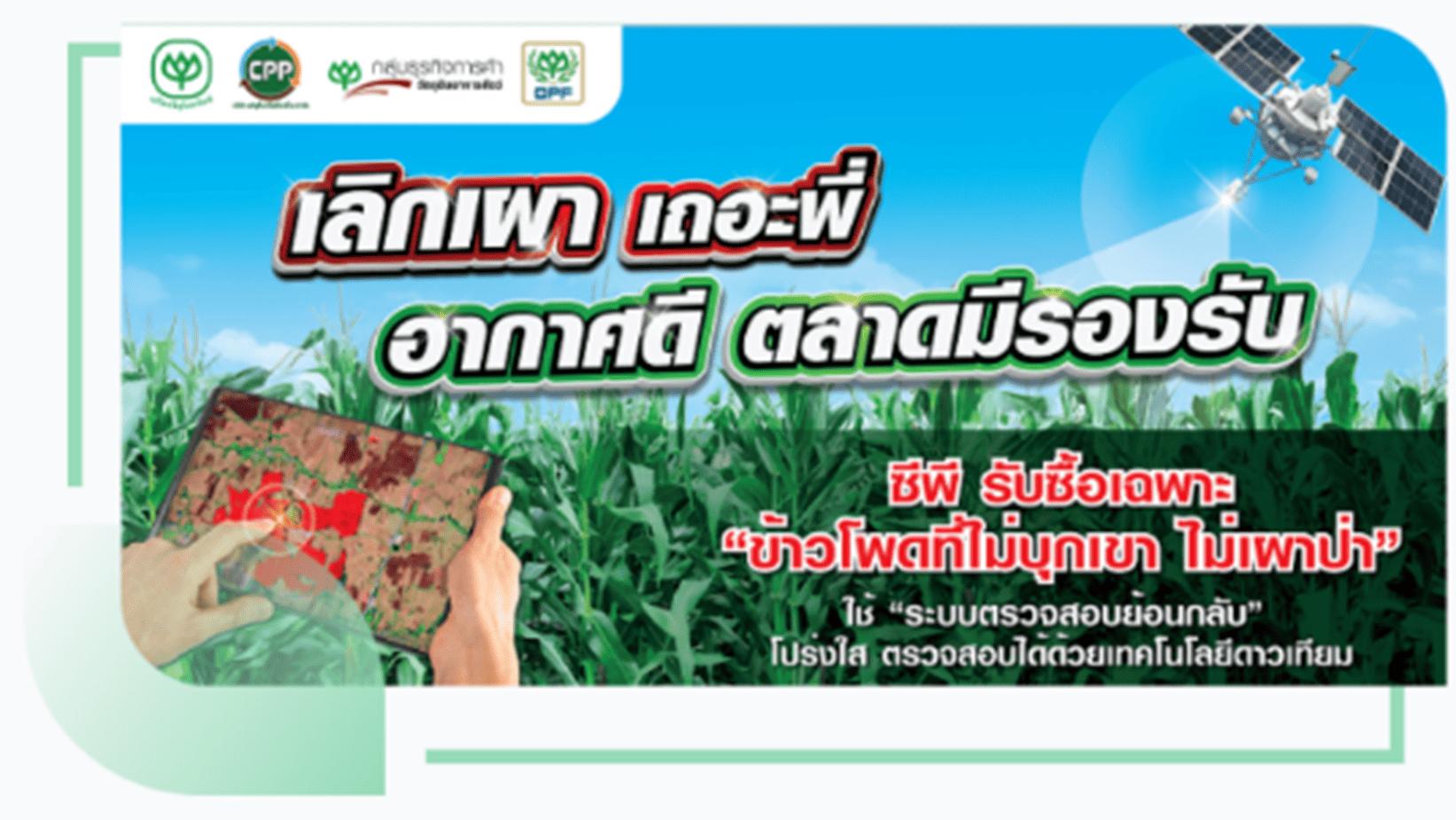
Direct Farmer Campaign: “Stop Burning—For Clean Air, We Secure the Market for You”
The Company sources feed corn through a traceability system that verifies supply is free from deforestation and stubble-burning practices. The campaign reinforces to farmers that corn produced responsibly will have reliable market access.
Farmers can sell directly to the Company through collection points covering Thailand’s northern, northeastern, and central regions, as well as selected neighboring countries. In addition, farmers may supply directly to CPF animal feed mills or sell through a nationwide network of more than 600 collectors.
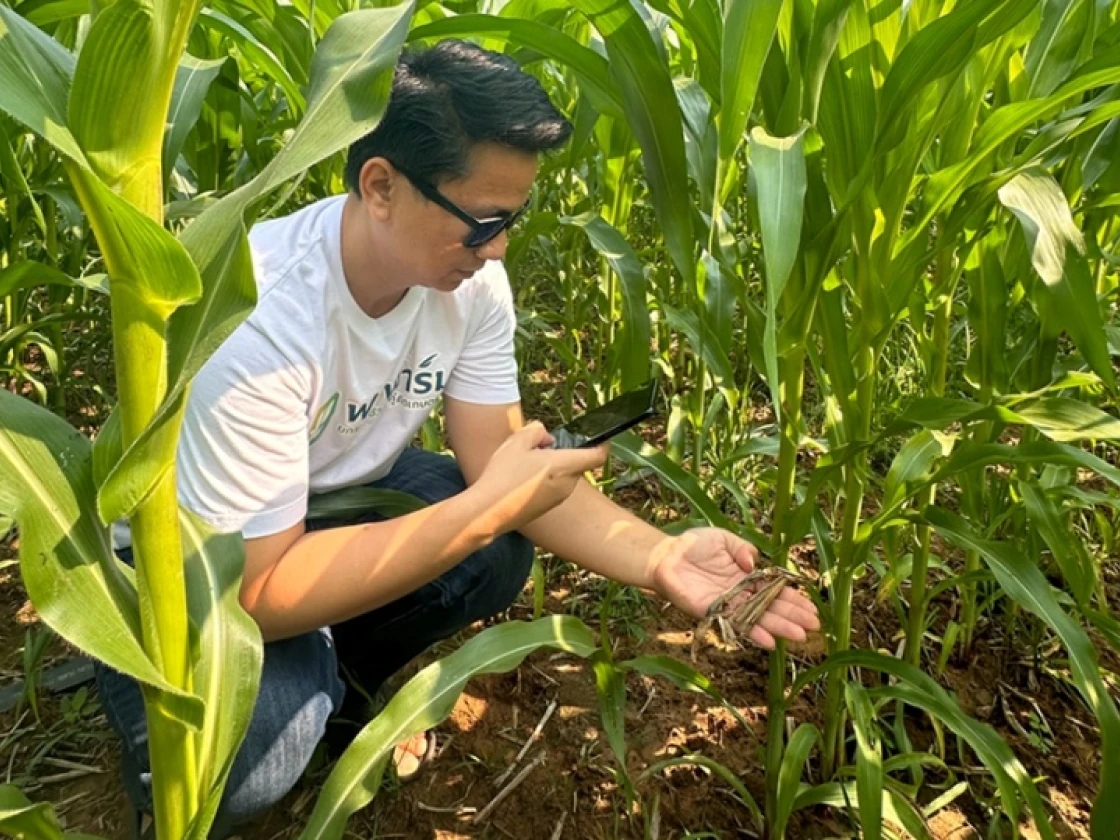
Verification by Independent Organizations
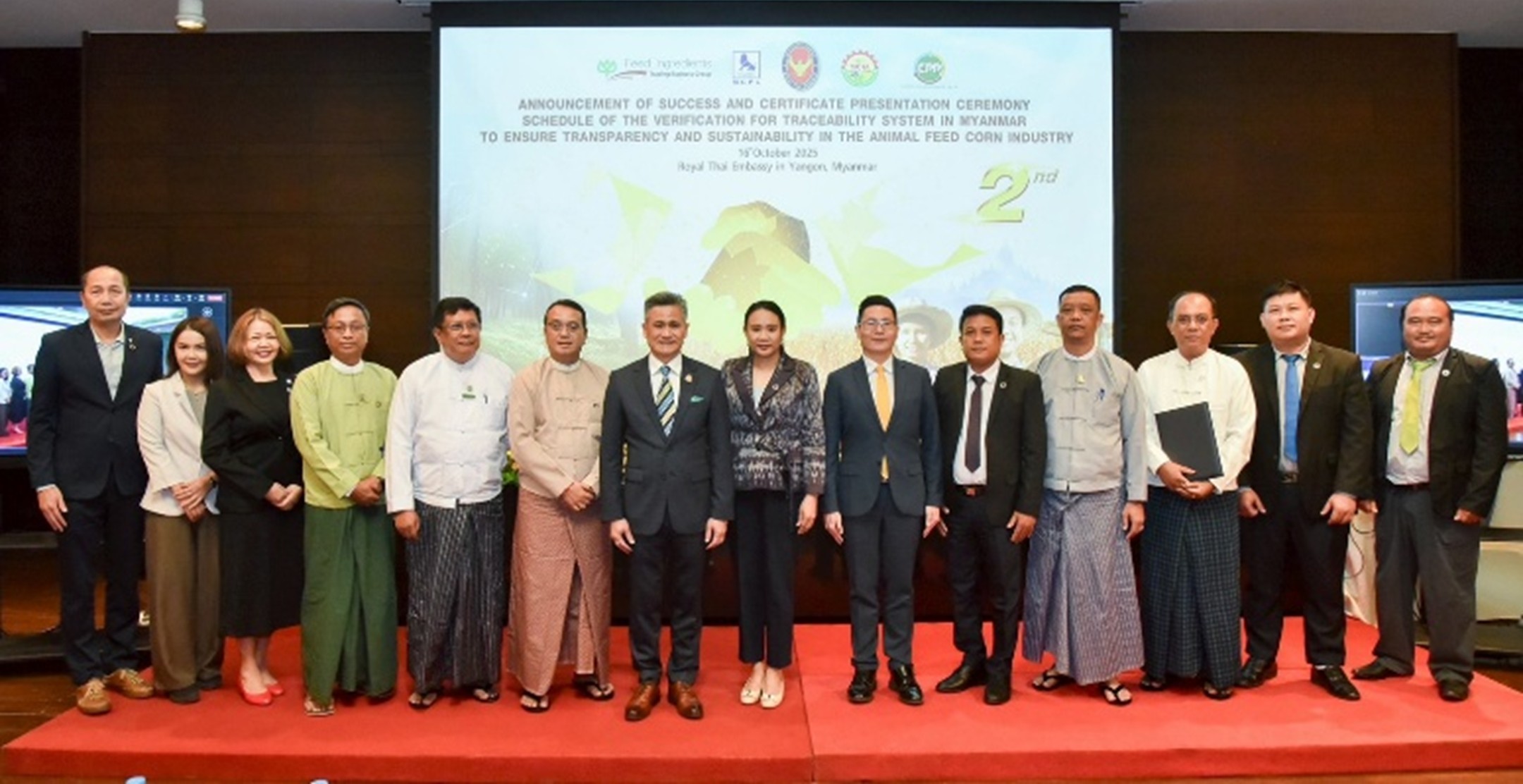
Expansion of the Feed Corn Traceability System in Overseas Markets
Palm Oil
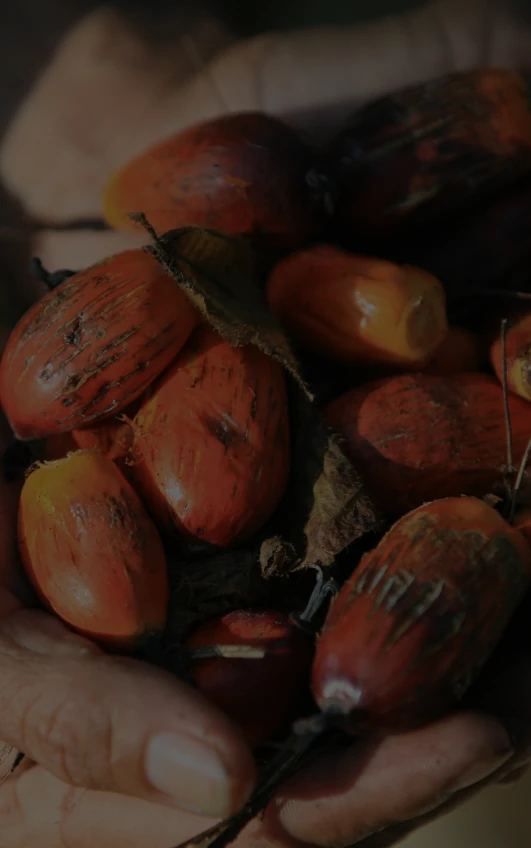
The Company recognizes the environmental impacts of converting tropical rainforests into agricultural land for oil palm cultivation, including ecosystem disruption and biodiversity loss. To mitigate these risks, the Company places an emphasis on sourcing palm oil used in its food operations in Thailand and Vietnam from suppliers certified to internationally recognized standards, such as the Roundtable on Sustainable Palm Oil (RSPO).

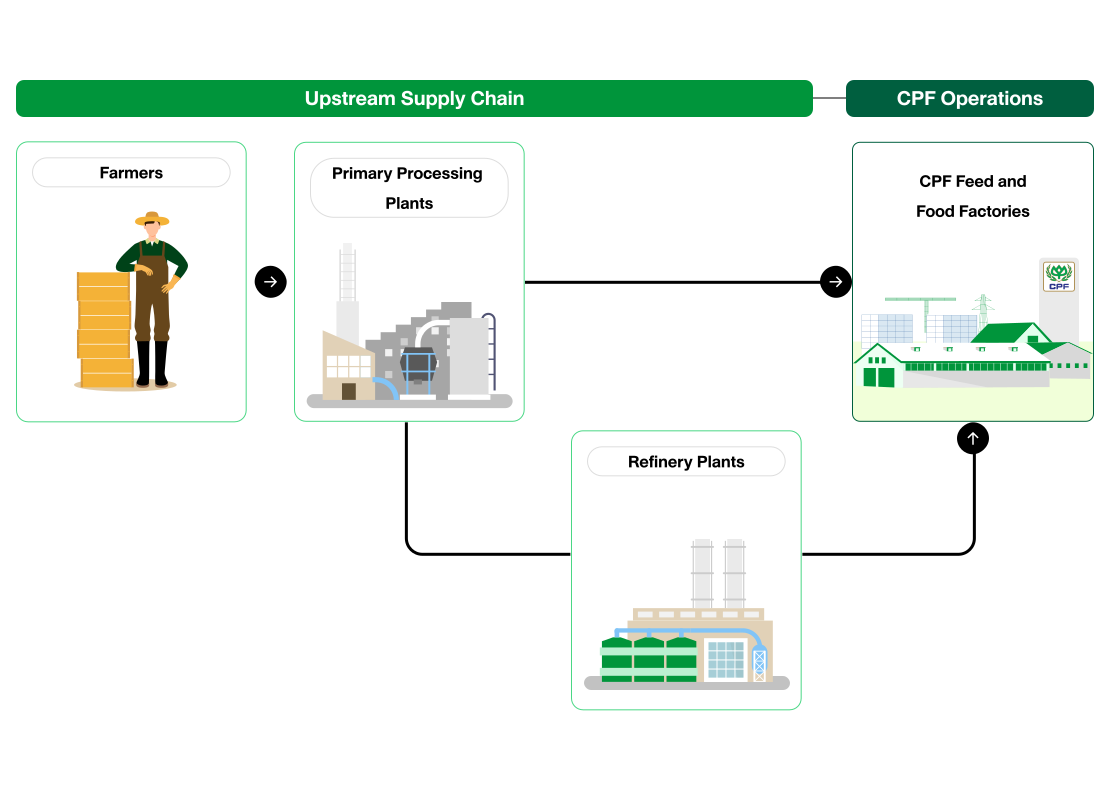
Palm Oil Traceability System in the Animal Feed Business in Thailand
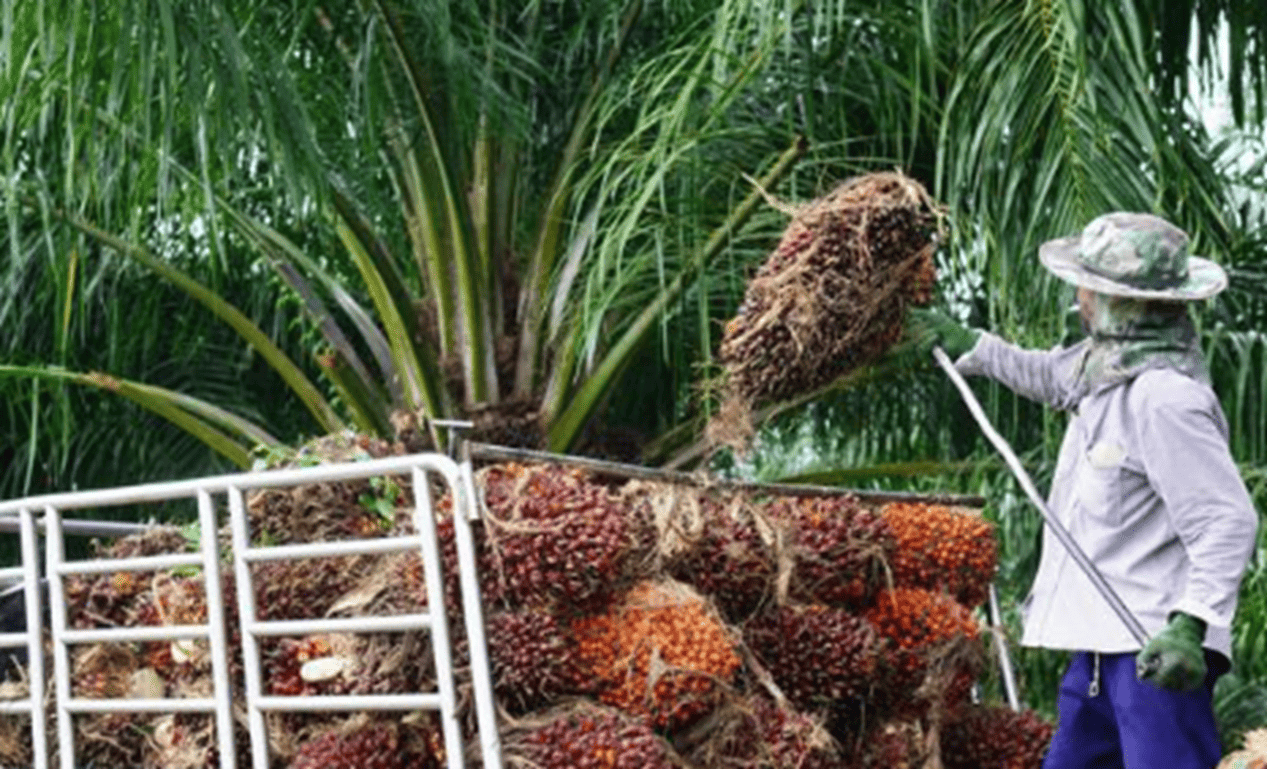
In 2025, 100% of the palm oil used in the Thailand food business was RSPO-certified.
Soy
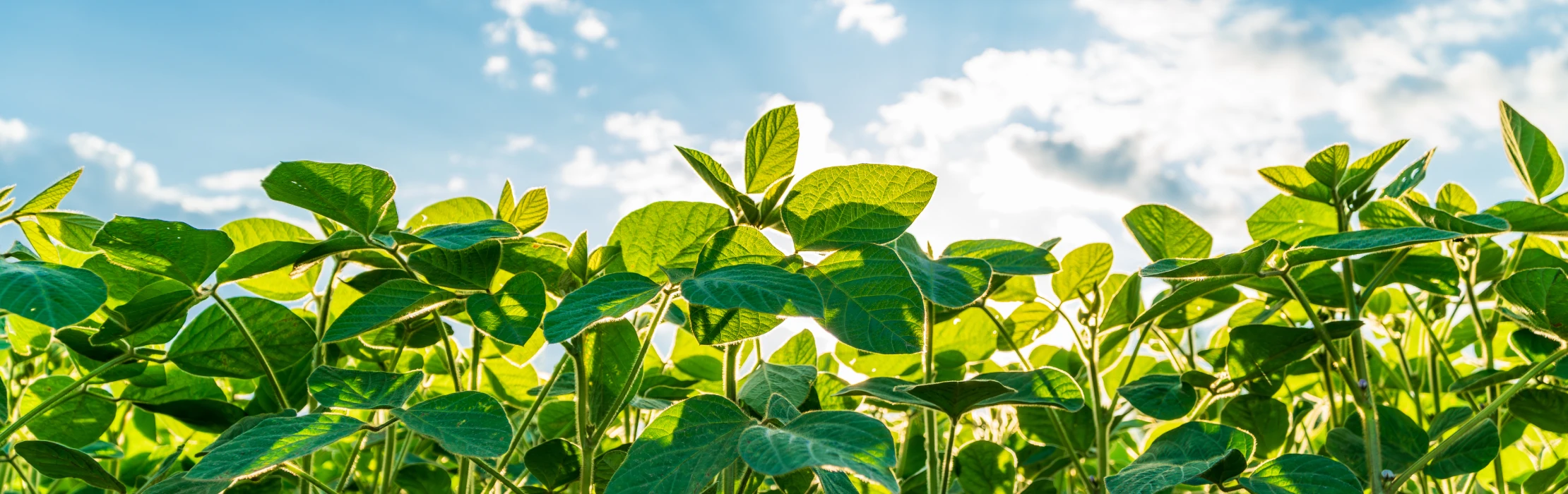
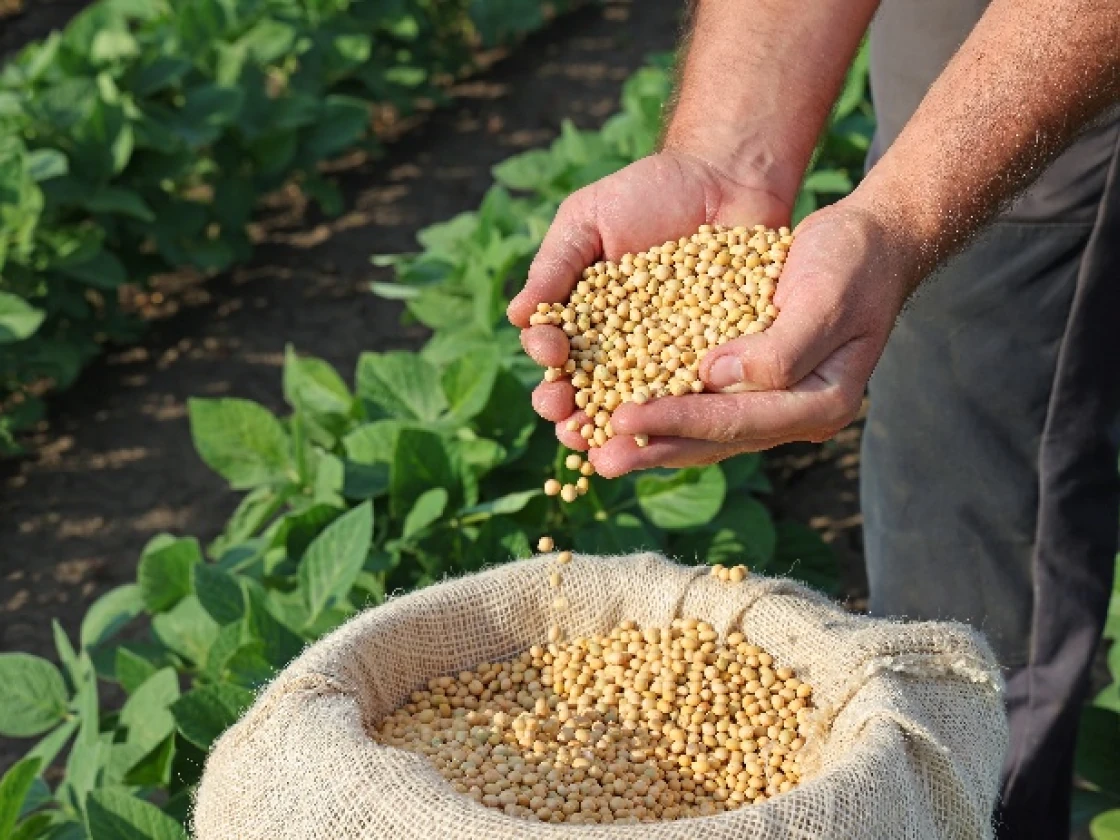
The Company recognizes the importance of maintaining a deforestation-free soybean supply chain and manages this priority by assessing risks associated with the countries of origin for soybean-related raw materials. Accordingly, it has established sourcing guidelines that require soybeans and soybean products to be procured from sources that demonstrate sustainable cultivation and processing practices in line with internationally recognized standards. For sourcing from countries classified as high-risk for deforestation, enhanced due diligence requirements are in place to mitigate risks.
In addition, the Company aims to source soybeans and soybean products that are traceable to plot-level cultivation areas, and to ensure that these plots are verified as existing traditional agricultural land established prior to December 2020.
In 2025, 100% of soybean oil used in the Thailand food business received RTRS certification.
Soybean Meal Traceability System in the Animal Feed Business
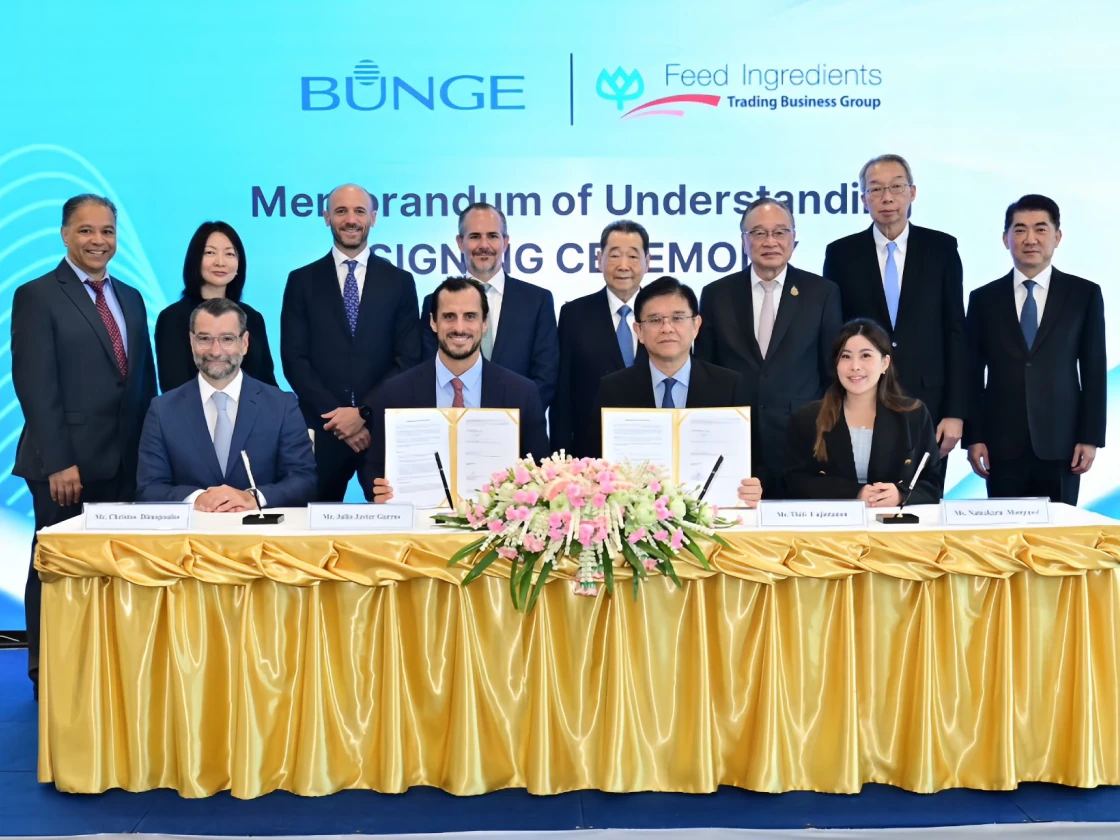
Responsible Commodities Facility (RCF) Soy Traceability Project
Cassava
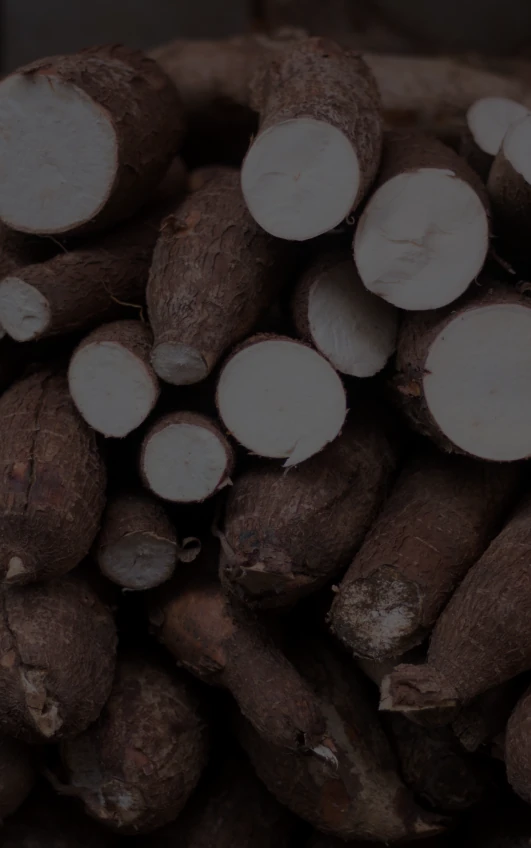
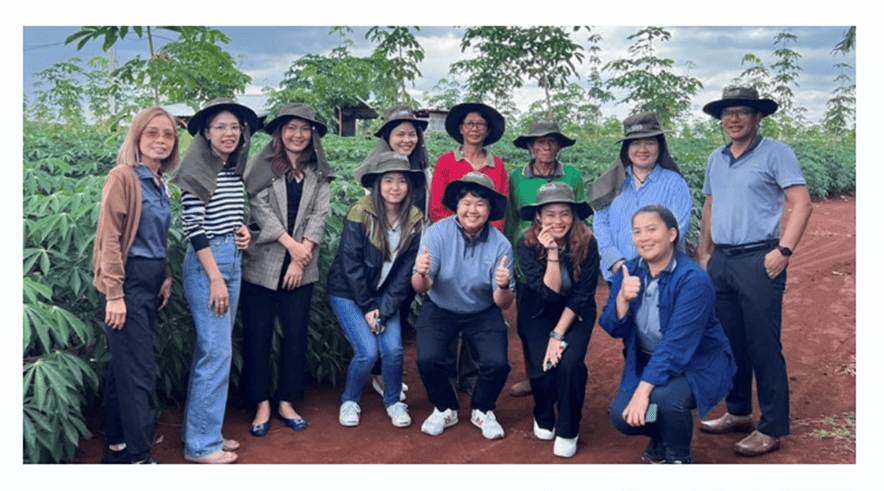
Cassava is a critical raw material for both the food and livestock feed industries, and the Company places strong emphasis on the quality and integrity of its procurement. For feed cassava, the Company’s traceability approach is implemented through collaboration between collectors and farmers who are registered in the Company’s traceability system. In the Company’s food business, cassava traceability is currently managed through direct engagement with suppliers and/or farmers to strengthen oversight and assurance.
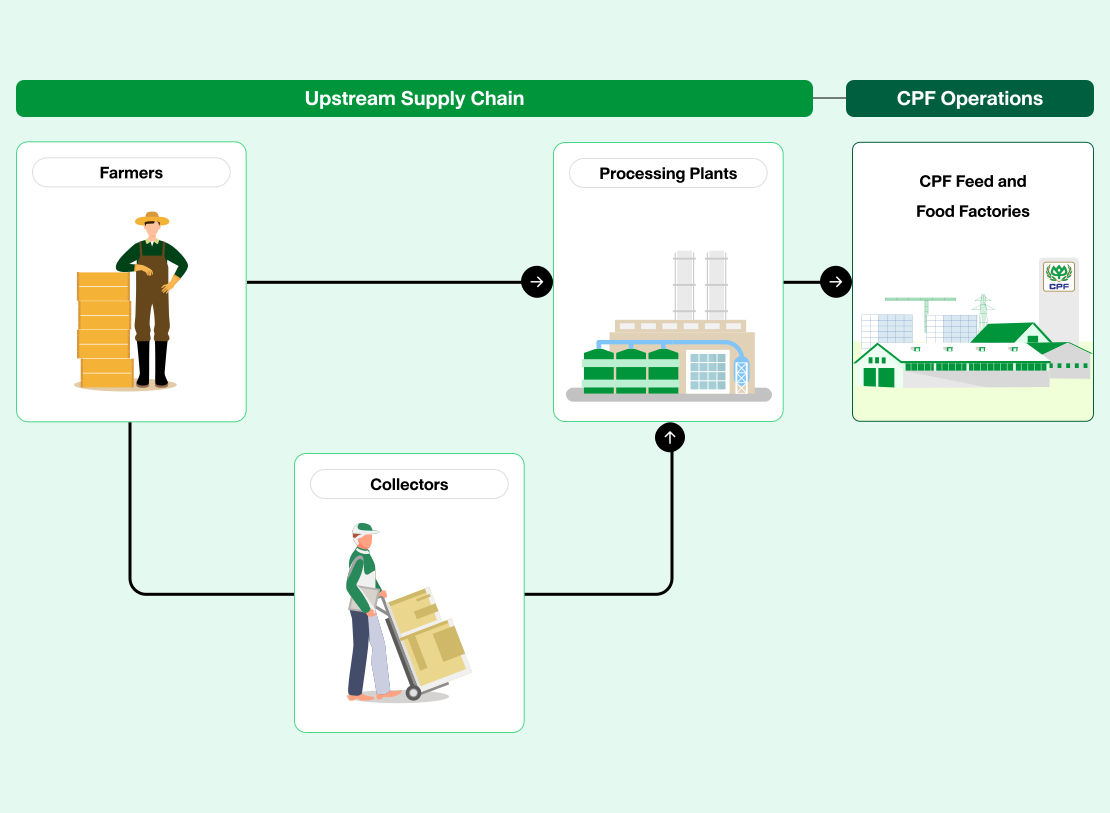
Cassava Traceability in Thailand
Fishmeal
Fishmeal from Sustainable Sources
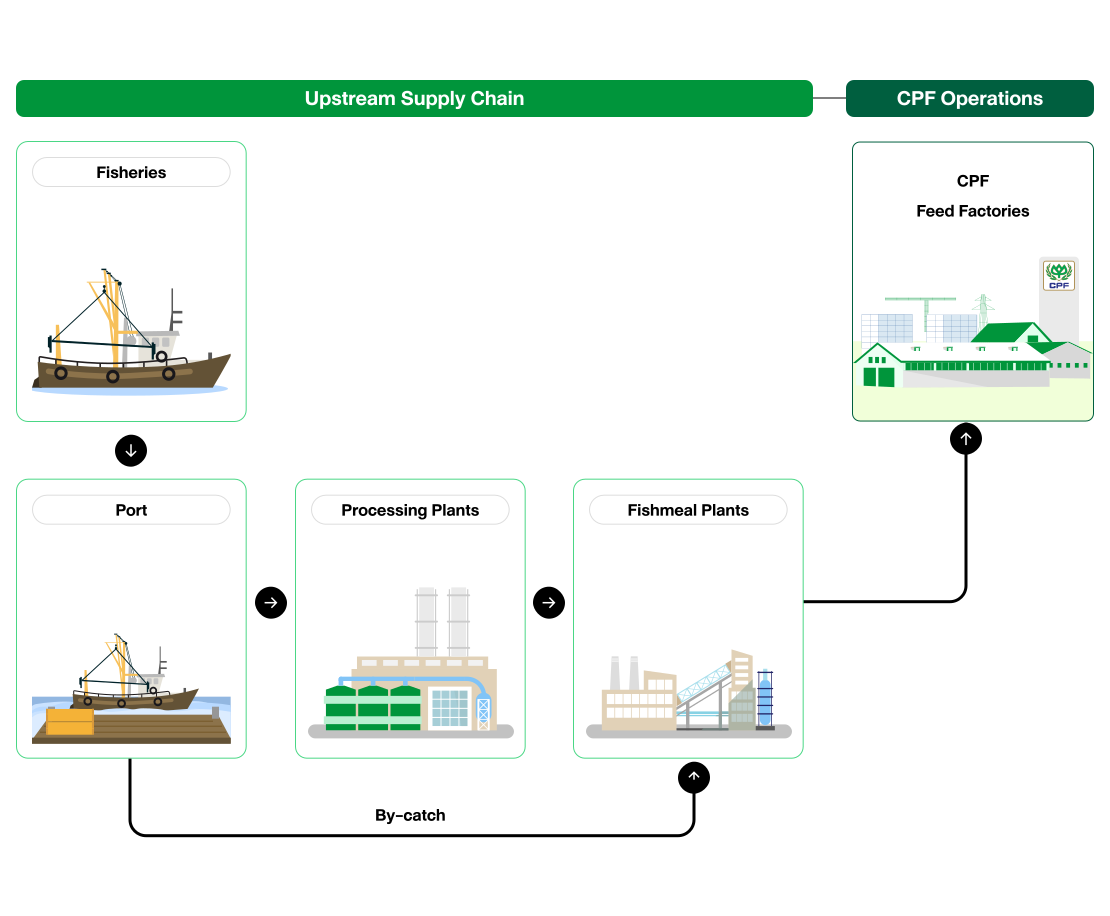
The Company places strong emphasis on quality assurance and verification prior to purchasing fishmeal, which is a critical protein ingredient in aquafeed. The Company also recognizes that fishmeal supply chains may present environmental and social sustainability risks, including illegal, unreported, and unregulated (IUU) fishing and potential forced labor risks. While the Company does not conduct fishing operations and does not own fishing vessels, it remains firmly committed to sourcing fishmeal from traceable and responsibly managed sources in order to mitigate supply chain risks and reduce potential adverse social and environmental impacts.

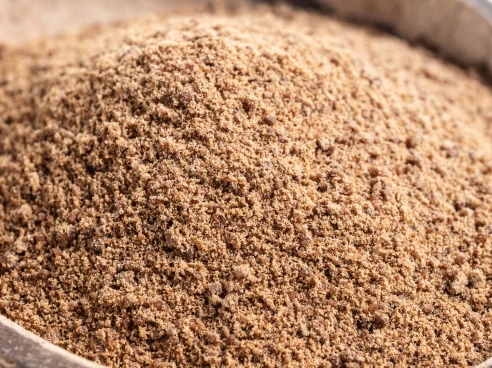
By-product Fishmeal from Processing Plants
- Certified processing plants: Fishmeal by-products are sourced from processing plants that hold MarinTrust certification, aligned with the FAO Code of Conduct for Responsible Fisheries.
- No endangered species: The fishmeal is not derived from by-products of species classified as endangered under the IUCN Red List of Threatened Species.
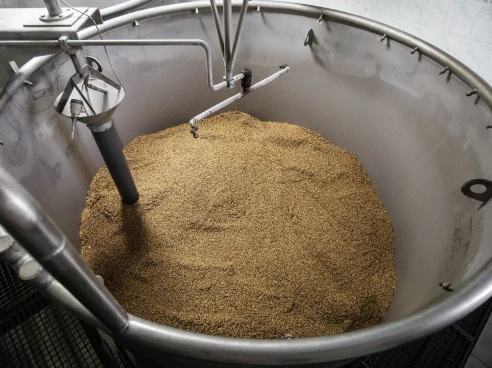
Fishmeal from By-Catch
- Certified under Marin Trust, the fishmeal global recognized sustainability standard. The facility operates production and traceability systems in accordance with the standard’s requirements to ensure that raw material sources and production processes are responsibly managed and meet international standards.
- In addition, fishery raw materials must be traced through the national regulatory system under applicable government laws. This system monitors and verifies the origin of raw materials, ensuring transparency in sourcing and supporting responsible fisheries management.
Performance
Remark:
i This includes all of the Company’s operations using fishmeal supplied by Bangkok Produce Merchandising Public Company Limited in Thailand, Vietnam, the Philippines, Cambodia, Malaysia, India and Laos.
Paper
In Thailand operations, 100% of paper-based packaging is FSC-certified.
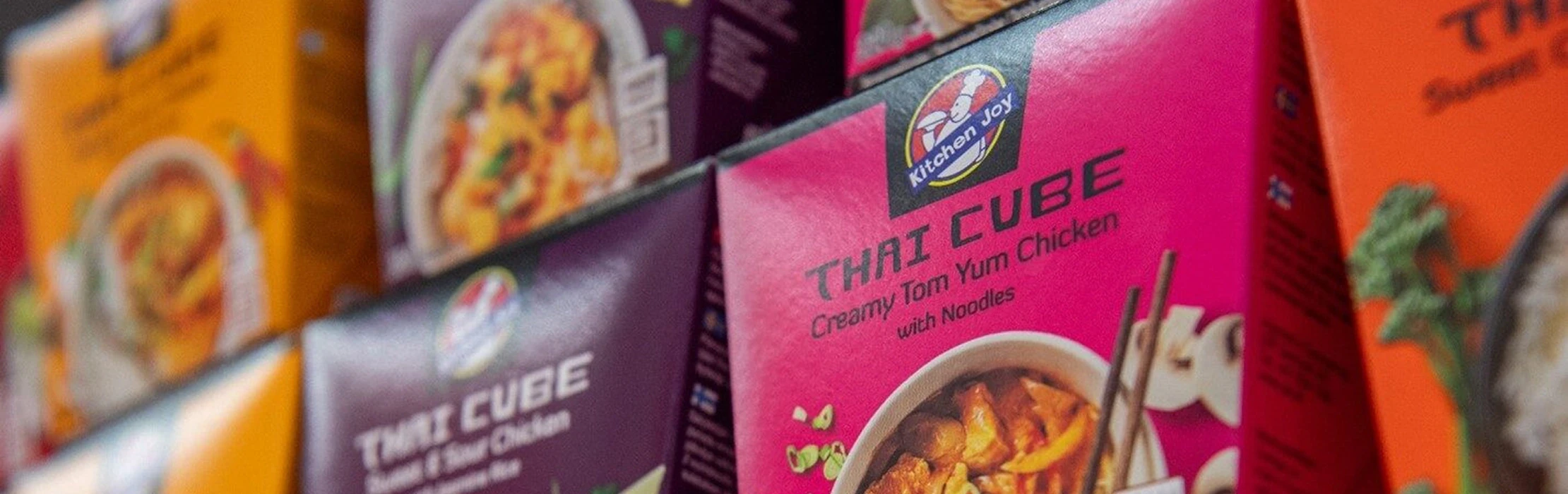
The Forest Stewardship Council (FSC) is a widely recognized certification standard for paper-based packaging, indicating that forest products are sourced responsibly and from sustainable, deforestation-free supply chains. Since 2024, the Company’s Thailand operations have fully transitioned to using 100% FSC-certified paper packaging for both domestic and export food products, including paper trays, product boxes, and cartons. This transition demonstrates the Company’s continued commitment to deforestation-free sourcing.
Since 2024, 100% of paper packaging in Thailand operations received FSC certification