Packaging with Purpose
Targets
Performance
Remarks:
i Percentage of plastic packaging for food products that is reusable, recyclable or compostable excludes multi-materials plastics and alufoil.
ii The Company is unable to reach its 2025 target in Thailand to make all food plastic packaging reusable, recyclable, or compostable, as there are currently no alternative materials that meet the same quality and food-safety requirements.
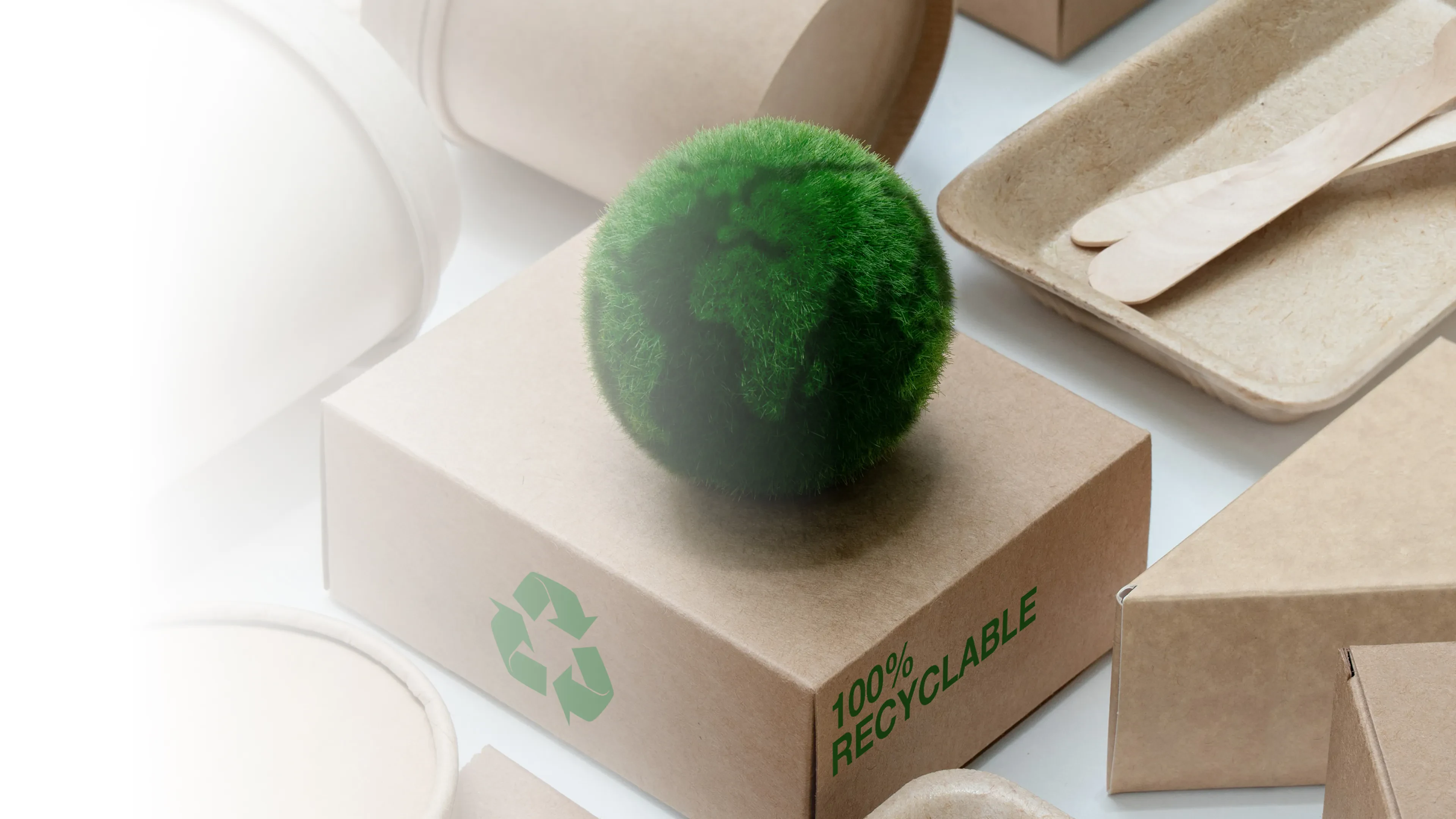
The Company recognizes that packaging plays a critical role in protecting product quality and safety, and it also acknowledges the environmental impacts associated with packaging throughout its life cycle—from resource use in manufacturing to disposal as waste. Accordingly, the Company is committed to advancing sustainable packaging design and management grounded in circular economy principles across the value chain. This approach is intended to maximize resource efficiency, address packaging waste, and promote materials choices that reduce environmental impacts, consistent with the Company’s Sustainable Packaging Policy and Principle.
Volume of Plastic Used in Food Packaging
Thailand, Vietnam, Russia, the Philippines, Malaysia, Laos and Belgium operations
Total plastic volume
Volume of Plastic Used in Food Packaging
Reusable
Recyclable1
Compostable
Hard-to-Recycle
Remark:
1 The percentage of recyclable, reusable or compostable plastic packaging for food products excludes multi-materials plastics, and alufoil.
Classified by Plastic Type
PET
HDPE
PVC
LDPE
PP
PS
Multi-materials
PLA
Alufoil
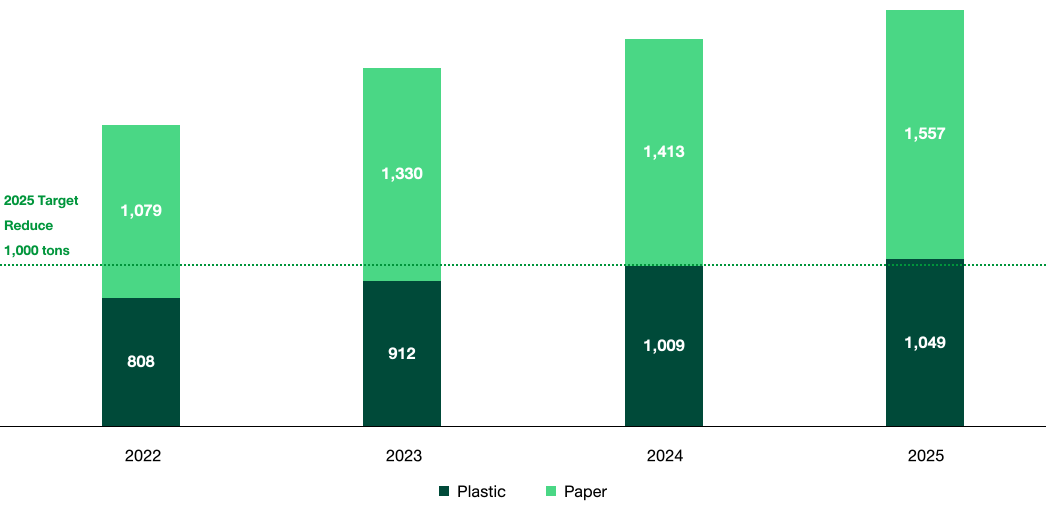
Amount of Materials Used in Food Packaging in Year 2025
Unit: tons
Remarks:
- Renewable Materials include Paper.
- Non-Renewable Materials include Metal, Glass, and Plastic.
Metal

Glass
Plastic
Paper

Design
The Company believes packaging is more than just a container—it is an important part of its responsibility to both consumers and the environment. The Packaging Research and Development team works closely with suppliers to create and design new packaging options that continue to meet required performance standards, protect product safety, and help preserve nutritional value.
To drive packaging innovation, the team uses technology and forward-looking research. It actively scans for new materials, emerging technologies, and global sustainability trends—such as recycled and bio-based materials. These efforts are designed to build an “Innovation Hub” that can support the Company’s sustainability goals over the next 5 to 10 years and strengthen the Company’s New Technology/Innovation and New Product Development (NPD) processes, guided by three key principles:
Safety & Compliance First
Conducting comprehensive product risk assessments encompassing materials selection, food safety, and strict compliance with legal requirements at every stage to ensure the utmost protection for consumers.
Precision Technology
Employing technologies such as 3D modeling to aid in design and development, reducing errors and resource wastage from redundant samples. Additionally, standardized validation test runs are utilized to verify durability under real-world conditions.
Planet Responsibility
Packaging innovations are designed for maximum efficiency in protecting products, aimed at reducing food waste while emphasizing the use of environment-friendly materials to minimize overall reliance on new resources.
Through cross-functional collaboration, both internally and externally, the Company ensures that every piece of packaging that reaches the market reflects a commitment to "quality, safety, and sustainability."
Sustainable Food Packaging Design Strategy
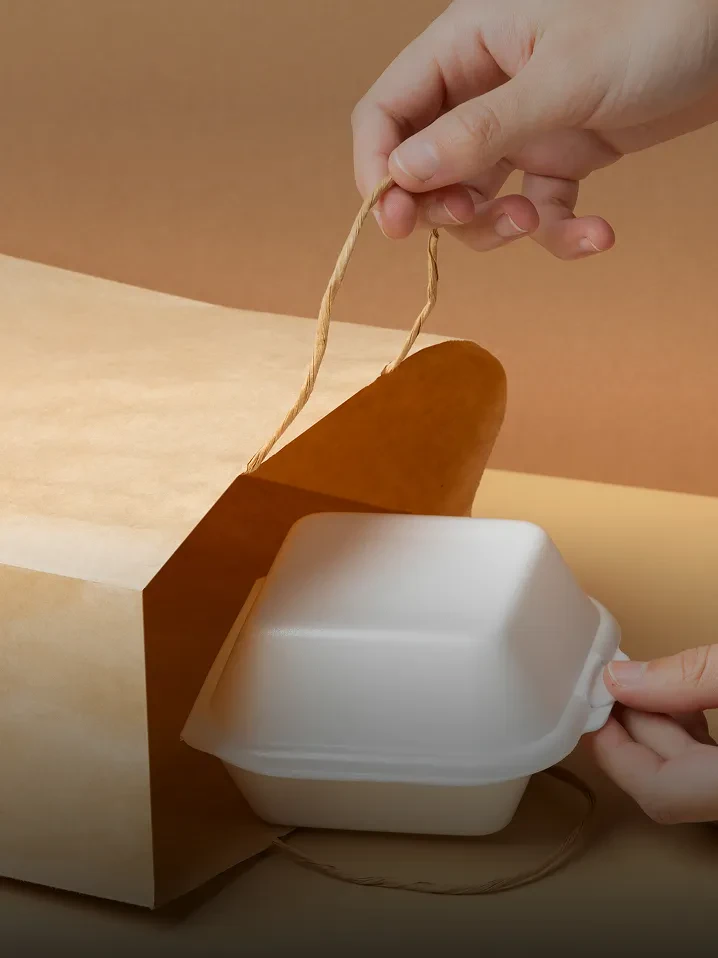
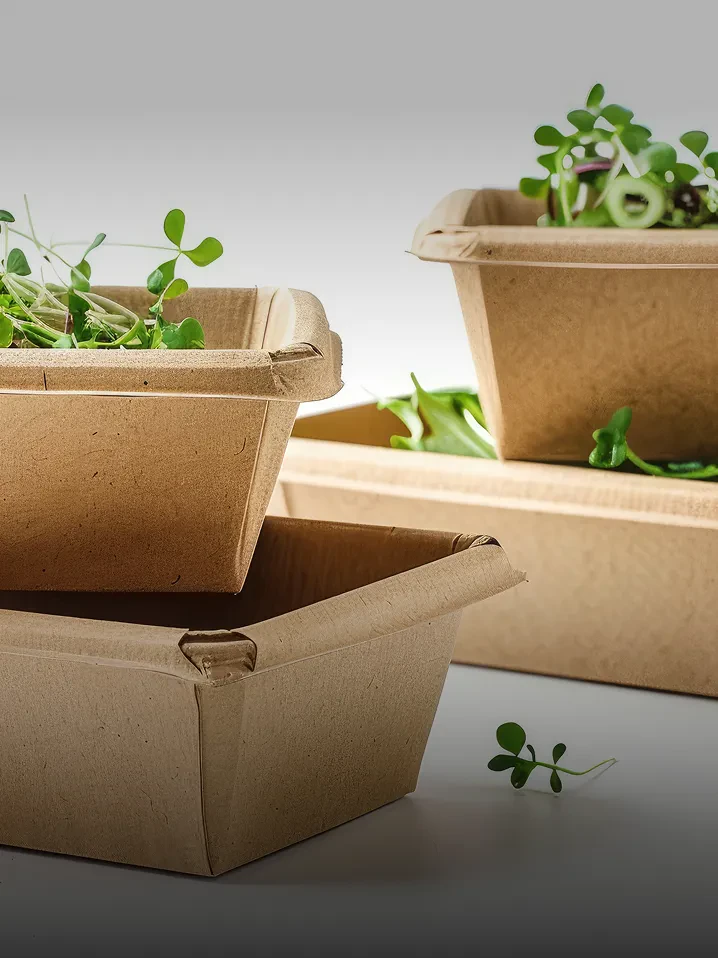
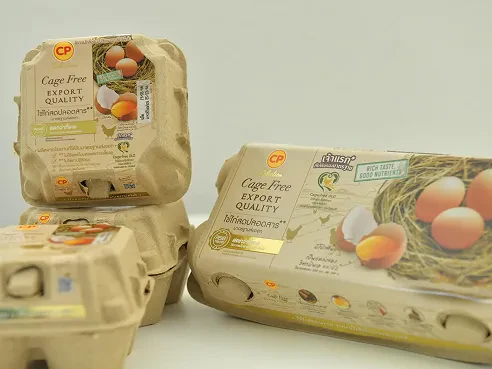
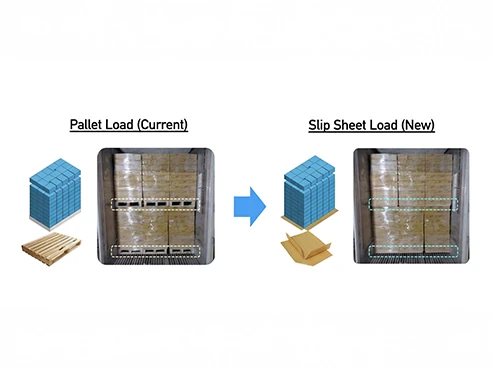
Reduce and Redesign
Reducing Thickness and Size of Materials and Designing Packaging Structures to Minimize Materials Usage.
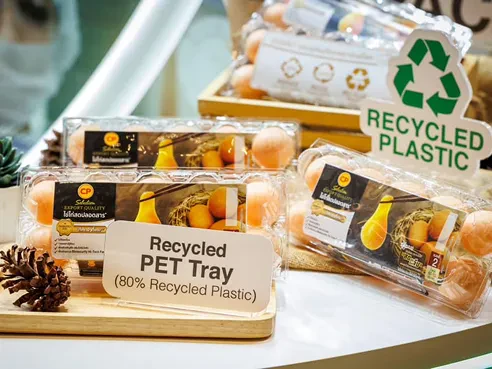
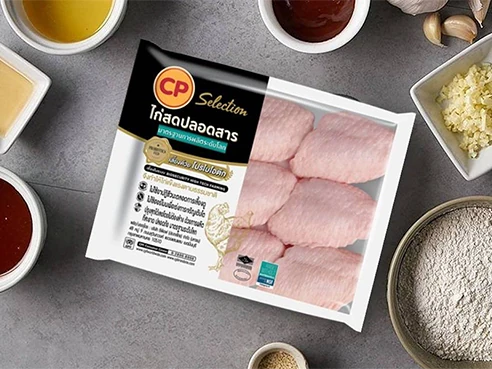
100% Recyclable
Transitioning from Multi-materials Plastics to Mono-materials Plastics to Promote Recycling.
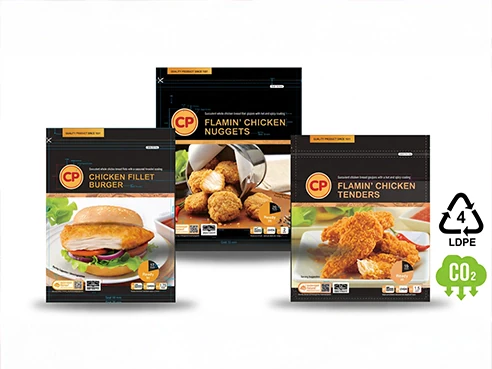
Recycled Materials
Incorporating Recycled Materials in Alignment with National Laws and Regulations to Reduce New Plastic Usage.
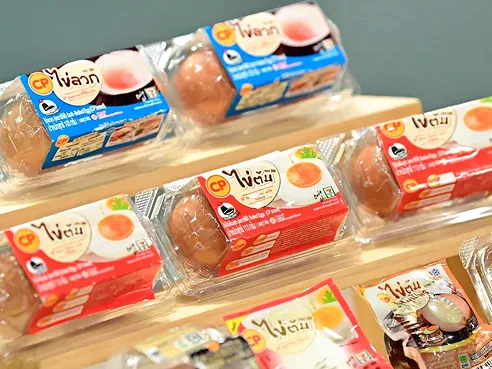
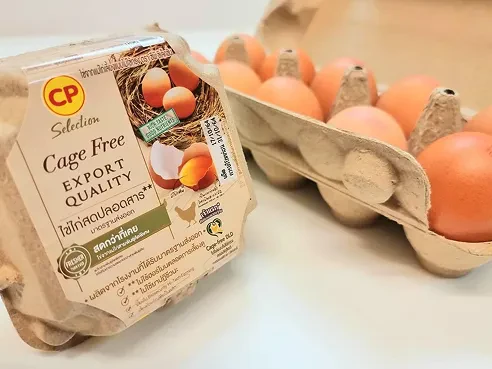
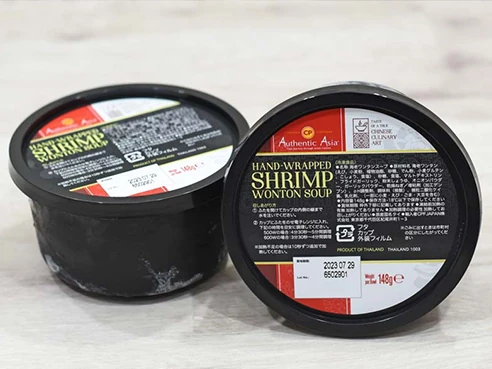
Innovative Material
Packaging Innovations and Reducing Environmental Impact
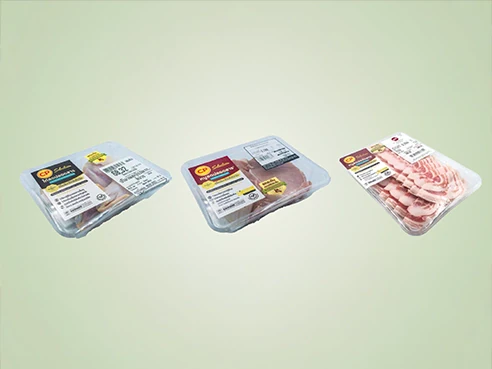
Consumption
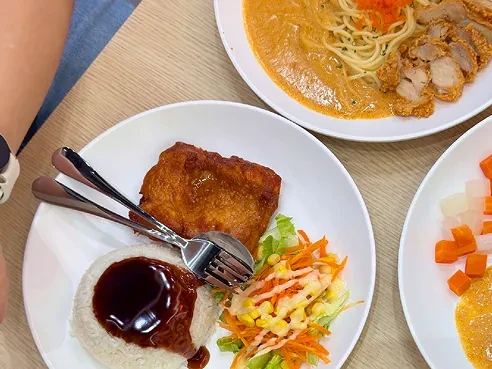
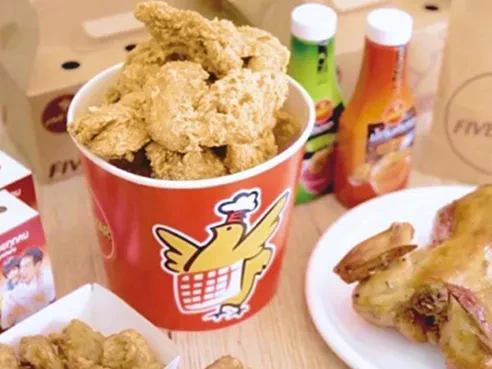
Elimination of Single-Use Plastics
Post-consumption Management
Packaging Take-back Program
Circular Packaging Partnership
The Company partnered with PackAge+, a startup that provides circular packaging services, to support greener logistics and reduce plastic use as part of its Green Supply Chain efforts. Through PackAge+’s reuse system, customers can choose reusable packaging and return it easily using a nationwide network of more than 4,700 return points, including locations such as Family Mart and Carrefour.
PRO Vietnam Membership and Recycling Progress
The Company joined the Packaging Recycling Organization Vietnam (PRO Vietnam) in 2024 to demonstrate its commitment to responsible packaging management and to work with other leading companies in advancing a circular economy. Since joining, the Company has launched initiatives to reduce plastic use in its operations, raise community awareness about packaging recycling, and showcase environmentally friendly packaging at PRO Vietnam’s 5th anniversary event.
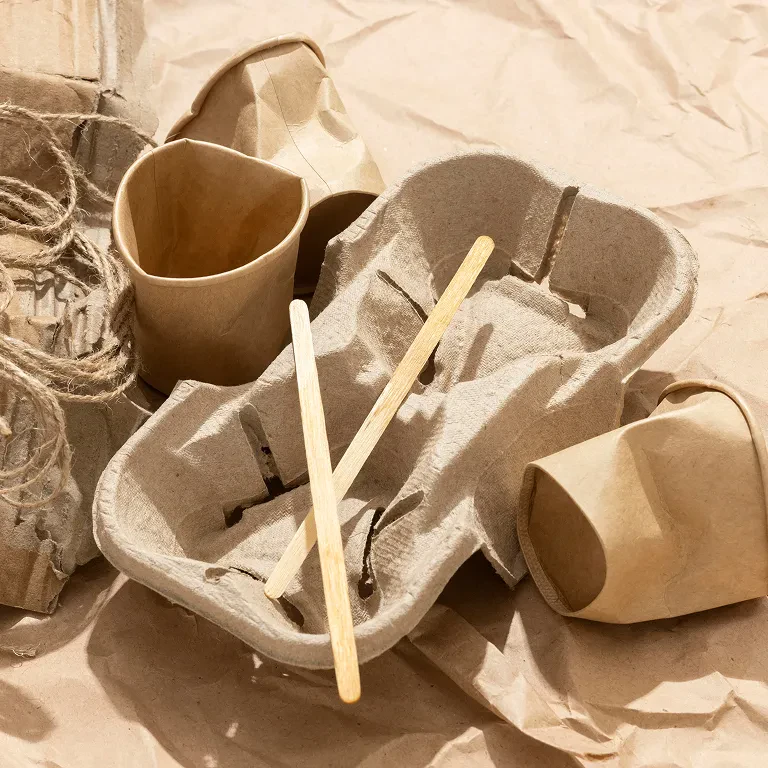
In 2025, PRO Vietnam helped recycle approximately 1,400 tons of the Company’s packaging. Paper packaging was processed into rolls of recycled paper and cardboard, while plastic packaging was repurposed for chemical production and other applications.
This partnership highlights the Company’s continued commitment to supporting environmentally responsible practices and sustainable development in Vietnam.
