Re-imagining Waste
The Company is committed to reducing waste generation and enhancing resource efficiency across the value chain through quality and environmental management in accordance with international standards such as ISO 9001 and ISO 14001. This includes the application of Lean Six Sigma principles and adherence to CPF SHE&En standards under the Safety, Occupational Health, Environment, and Energy Policy (CPF SHE&En Policy). Monitoring and recording waste volumes, repurposing waste, and ensuring disposal by legally authorized waste management providers are integral to the Company’s procurement processes.
Additionally, the Company encourages suppliers to manage resources efficiently and reduce environmental pollution through the Sustainable Sourcing Policy and Supplier Guiding Principle. It also aims to raise awareness and foster collaboration with government agencies, the private sector, independent organizations, and various stakeholders to enhance waste and food waste management throughout the value chain.
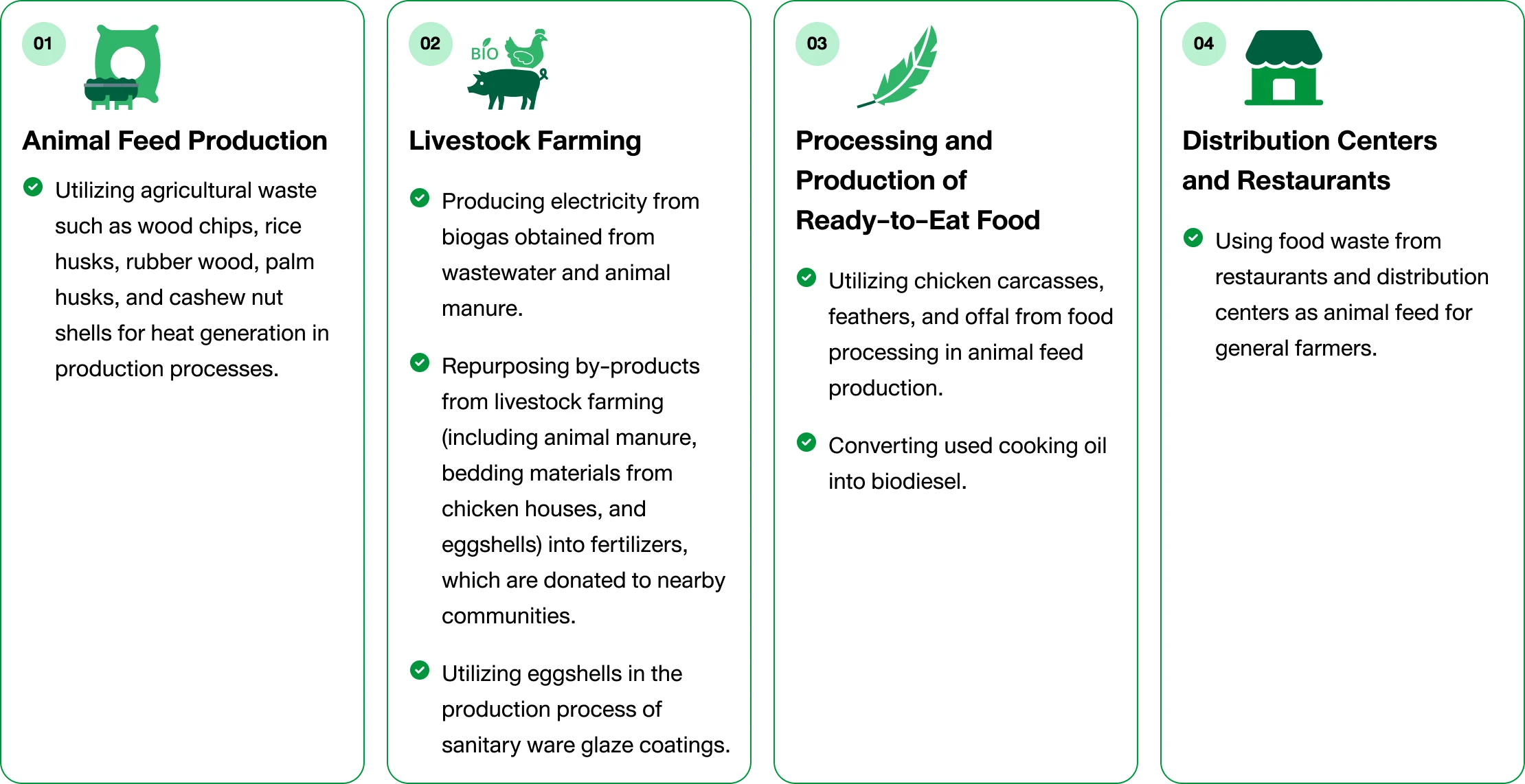
Our commitment to creating value from waste throughout the production chain includes:

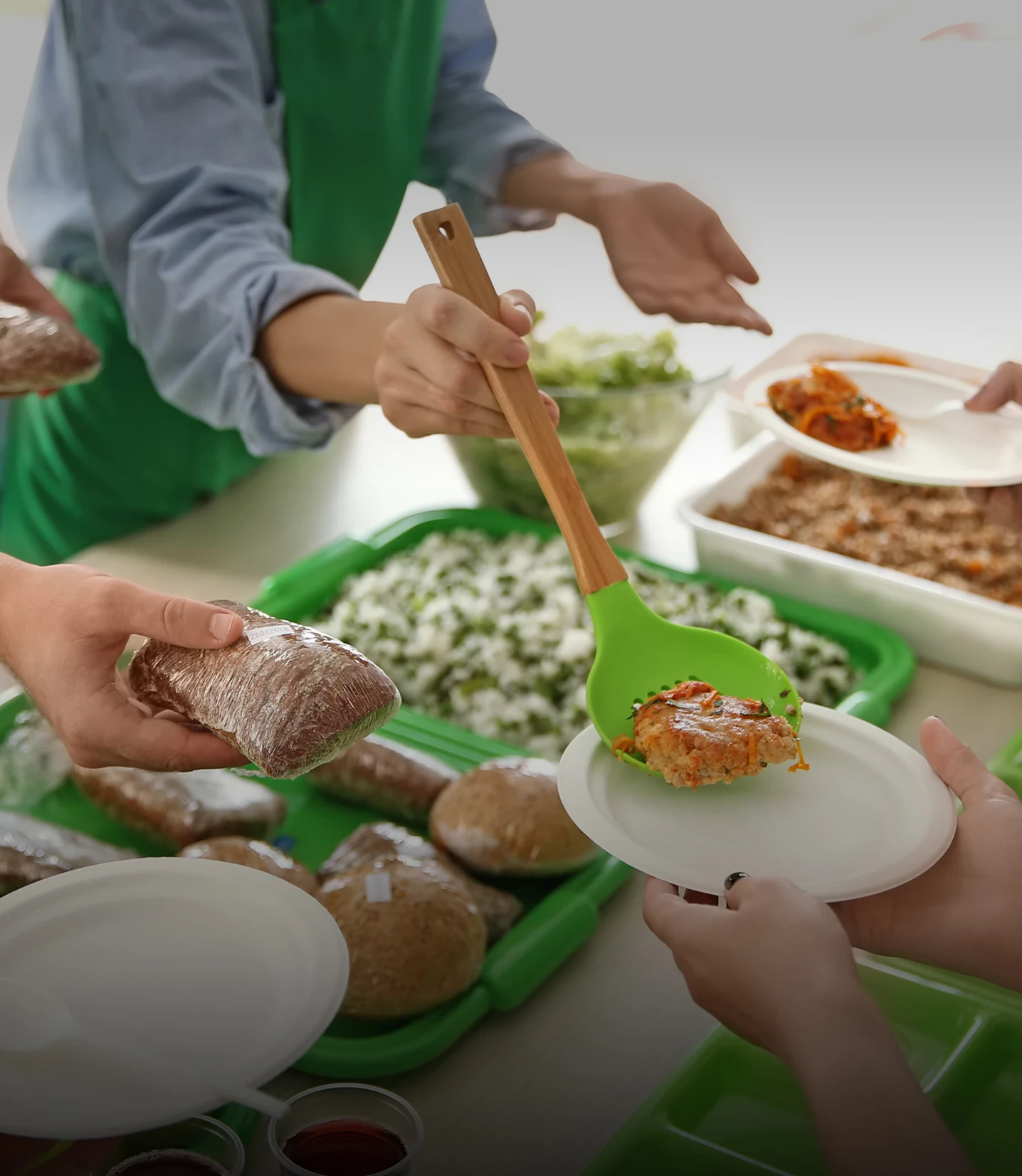
Food Loss and Waste
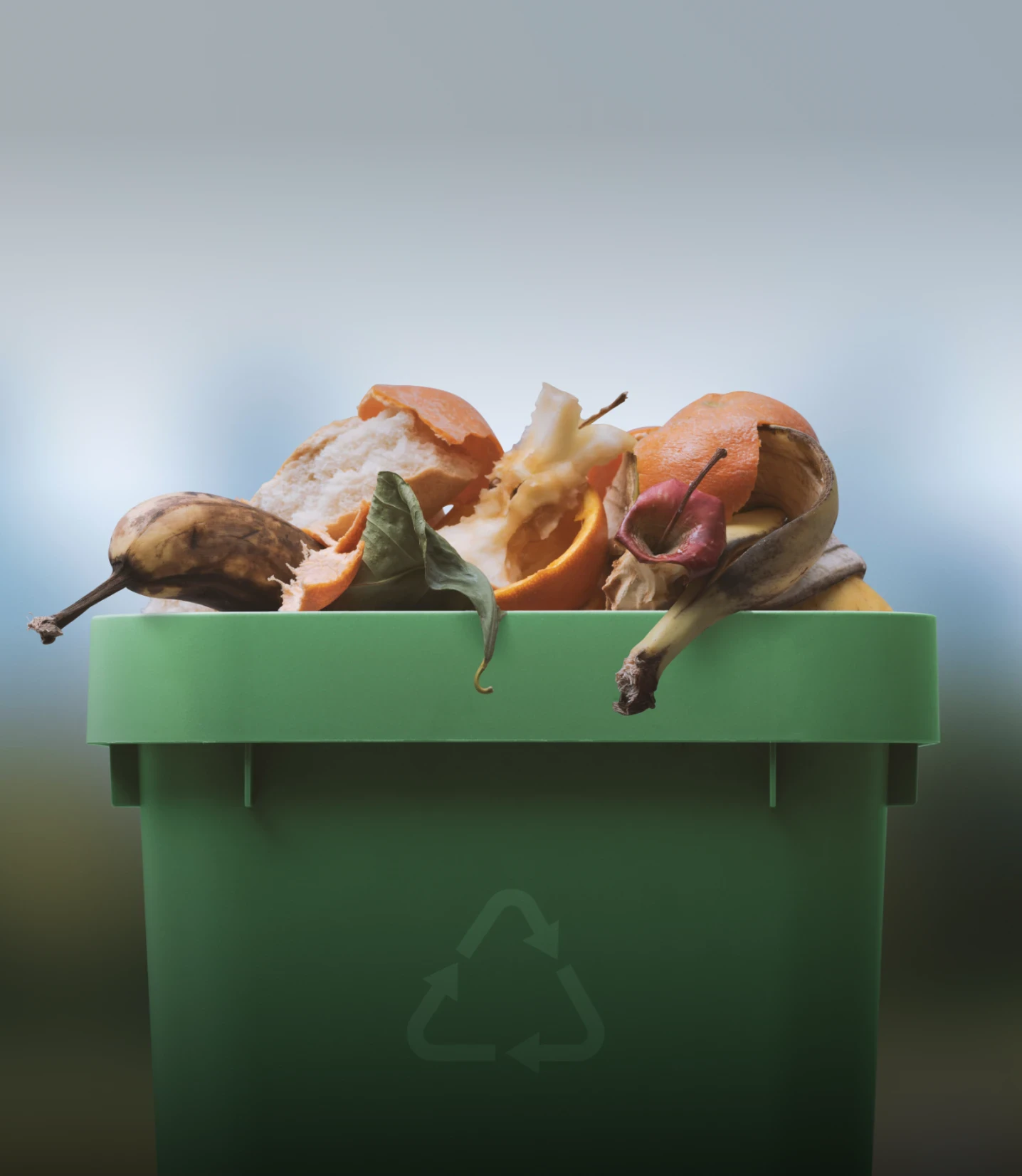
The Company has been tracking food loss since 2020 using the Food and Agriculture Organization (FAO) data-collection guidelines. It reviews food loss in terms of quantity, quality, and economic impact to identify critical problem areas (hotspots). The Company also collects food waste data using the Food Loss & Waste Protocol (FLW Protocol). Together, these data sets help the Company reduce and manage food loss and waste across its entire production chain.
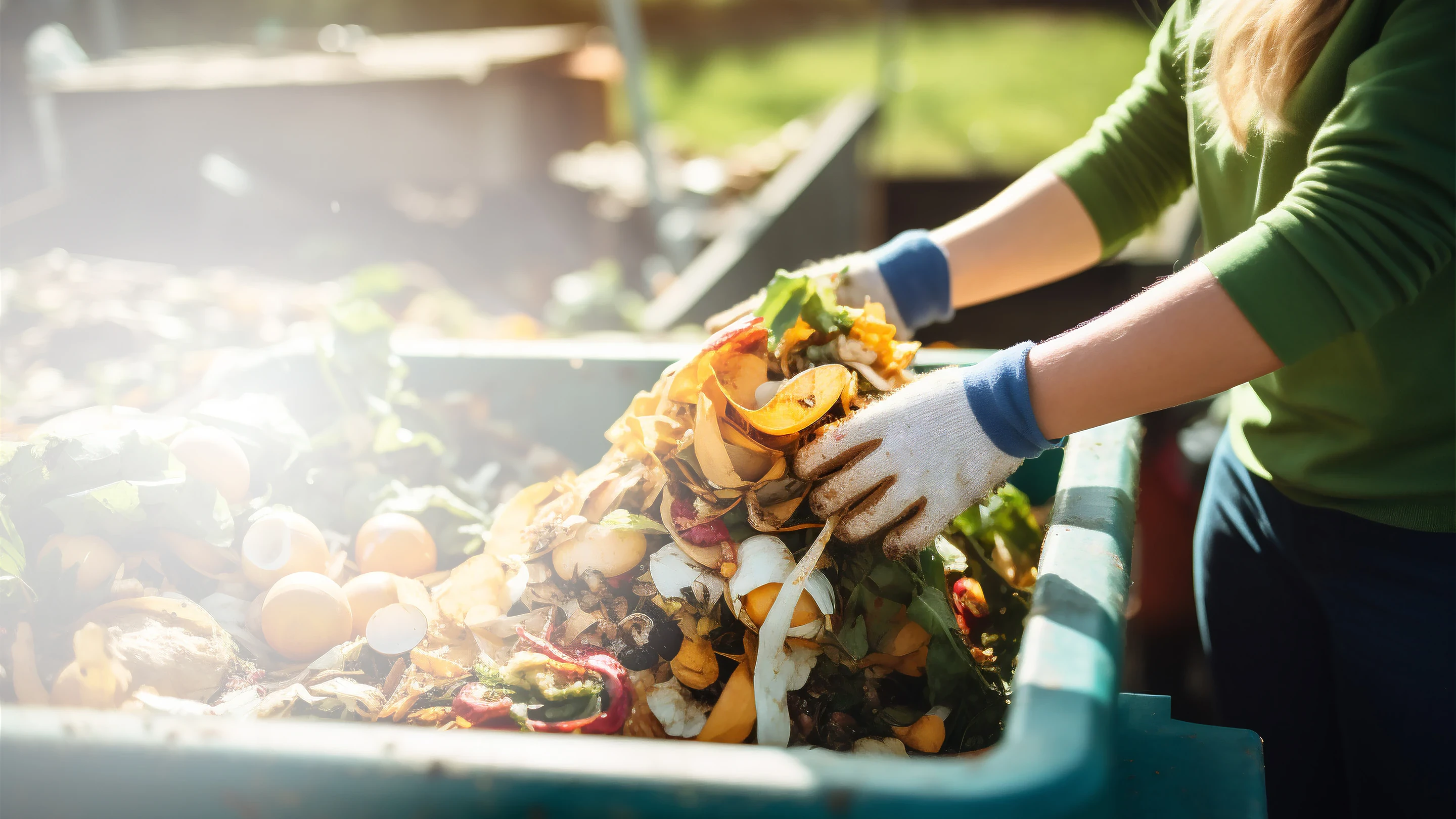
In 2025, the Company’s Thailand operations reported a total food loss and waste volume of
In addition, the Company encourages its suppliers to track and report food loss data to support waste reduction across the wider supply chain, including facilities such as swine slaughterhouses, shrimp farming, and duck farms.
Food Loss in Farm and Food Business
Food Waste in Food Distribution and Restaurant
| Food Loss | Food Waste | Total Unit: tons | |||||
|---|---|---|---|---|---|---|---|
| Harvest | Transportation | Production | Storage | Transportation and Distribution | Preparation and Consumption in Restaurants | ||
| Volume generated | 174.9 | 423.7 | 140,250.5 | 480.4 | 0.3 | 1,610.3 | 284,270 |
| Volume utilized | 0 | 398.3 | 126,799.8 | 359.0 | 0.3 | 721.2 | 255,836 |
| Volume disposed | 174.9 | 25.4 | 13,450.7 | 121.3 | 0 | 889.1 | 28,434 |
Remarks
- Food Loss data covers product categories including fresh pork, processed pork, fresh chicken, processed chicken, fresh duck meat, processed duck meat, chicken eggs, fresh shrimp, processed shrimp, ready-to-eat meals, processed eggs, and bakery products.
- Food Waste data encompasses information from distribution centers, Chester’s restaurants, and Food World outlets
Our Commitment to Food Loss Reduction
Production Loss Reduction
Cut food loss in production by making operations more efficient and improving key processes, such as pork production, blood pudding production, and wonton wrapper formulation.
Reducing Liquid Egg Loss with Innovation
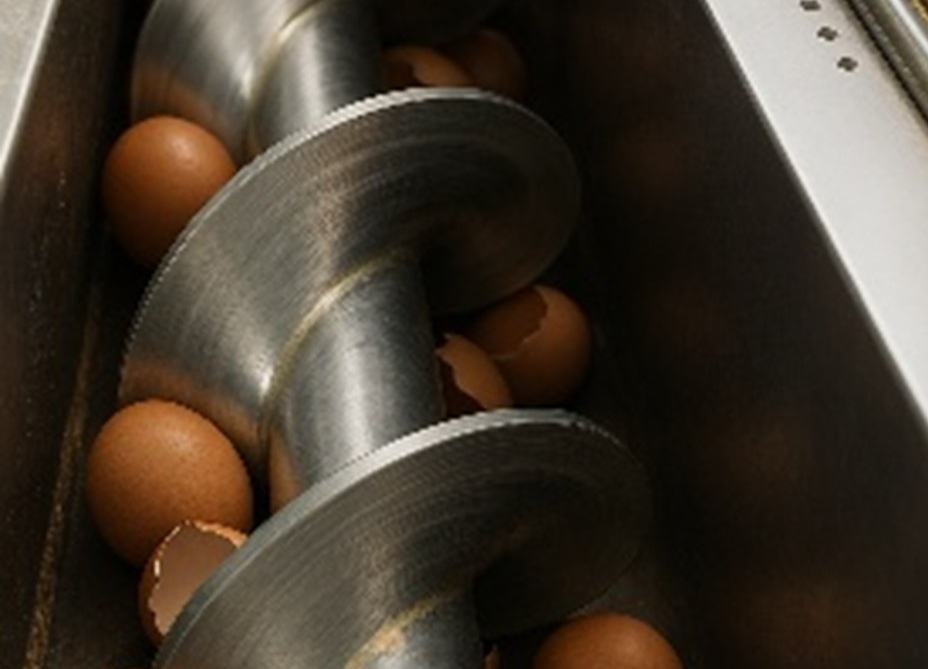
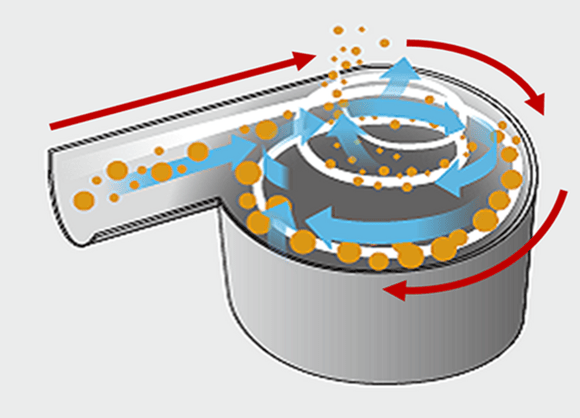
Liquid egg left inside shells at egg processing plants is wasted food if not recovered. To reduce this waste, the Company’s egg processing, bakery, and ready-to-eat food businesses in Thailand developed a screw-based separation system that uses centrifugal technology to efficiently separate liquid egg from the shell. This innovation improves production efficiency while reducing food loss and making better use of raw materials.
Reduced food loss by
Decreased greenhouse gas emissions by
By-product Utilization
The Company uses by-products and waste materials generated during production by turning them into products, such as:
Animal Feed
- Chicken by-products from the cutting process are repurposed into pet snacks for dogs and cats.
- Other unused by-products—such as bones, shrimp shells, chicken feathers, blood residues, and damaged eggs from hatchery and layer farms—are processed into animal feed and feed ingredients (excluding use in poultry, in line with animal welfare principles).
Energy
- Wastewater containing by-products (e.g., blood and fat) is treated in a biogas wastewater system, which produces energy that can be used as fuel in production operations.
Product Innovation
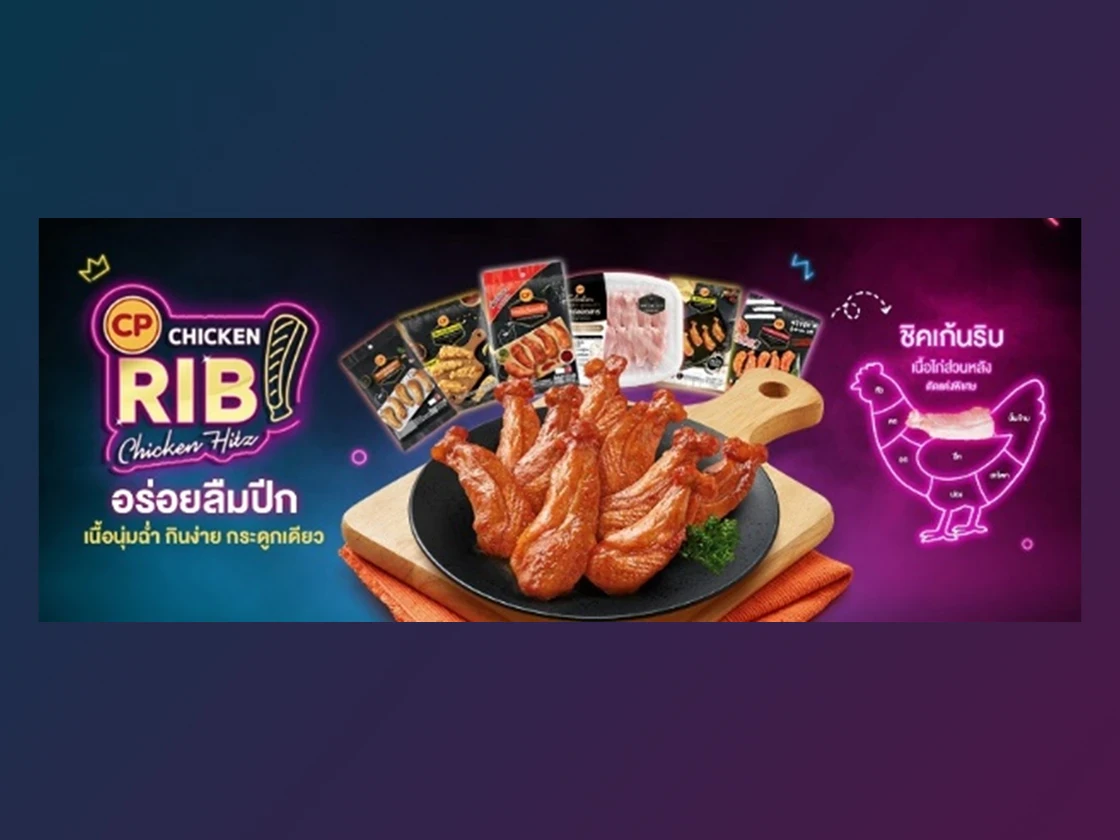
Advance product development by utilizing raw materials and valuable by-products to expand the volume of consumable food and generate additional value.
Forget Chicken Wings with Delicious and Specially Trimmed Chicken Rib
Our commitment to managing food waste generated from consumption 5th Year of Circular Meal Project in Thailand
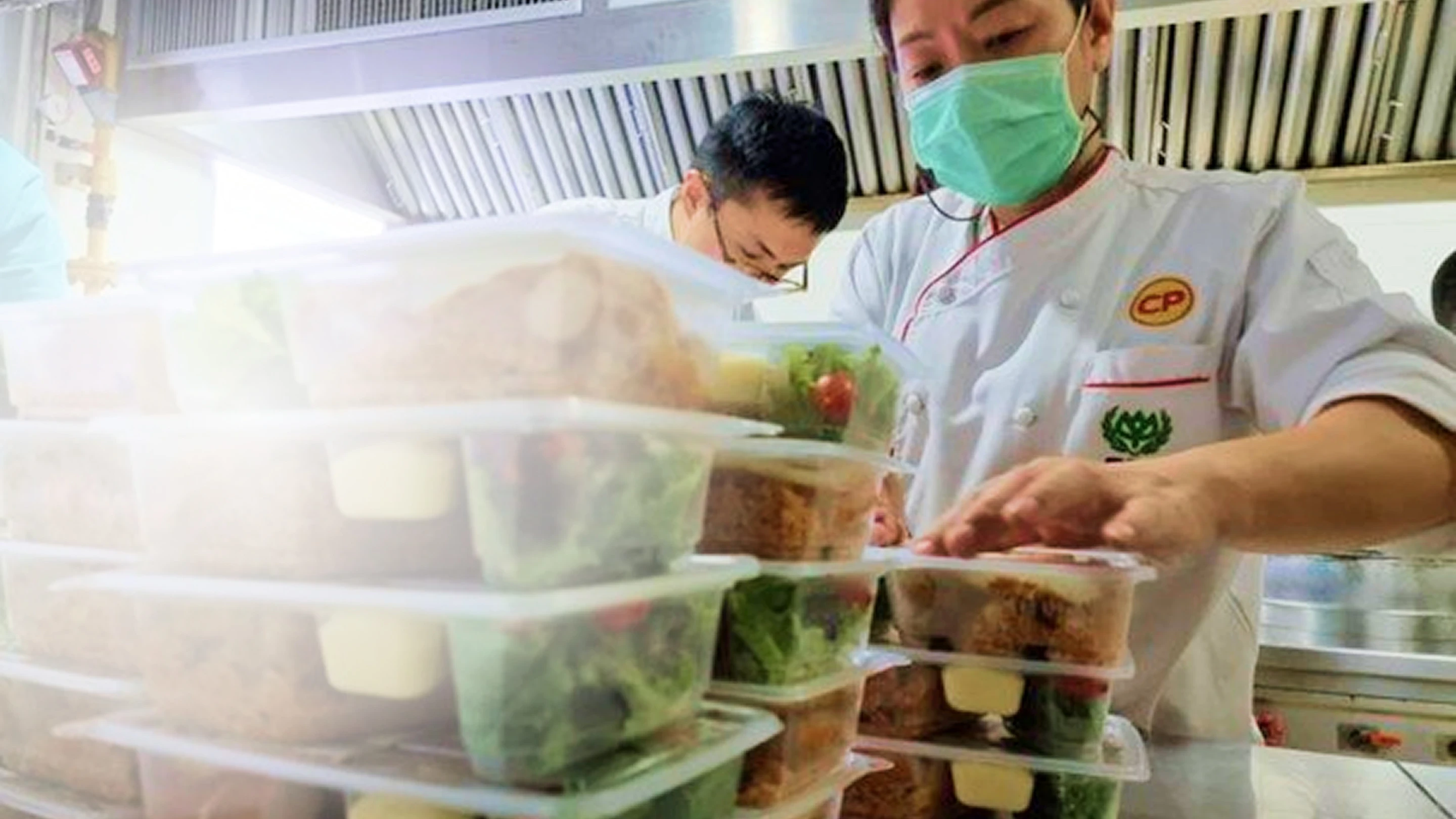
The Company partners with the Scholars of Sustainability Foundation (SOS Foundation Thailand) to distribute surplus food to people in need, including low-income households, children, older adults, and people with disabilities. The donated items include cooking ingredients and ready-to-eat meals in both chilled and frozen formats. Food is delivered from the Bang Nam Priao Distribution Center (Chachoengsao), the Mahachai Distribution Center (Samut Songkhram), and regional distribution centers in Surat Thani, Lamphun, and Khon Kaen.
Since 2021, over
In 2025, the program delivered more than 63,600 safe, high-quality meals, helping prevent 15,100 kilograms of food from going to waste. This also reduced greenhouse gas emissions by 38.34 tons of CO2 equivalent roughly the same impact as planting more than 4,000 trees.
Waste to Value Partnerships
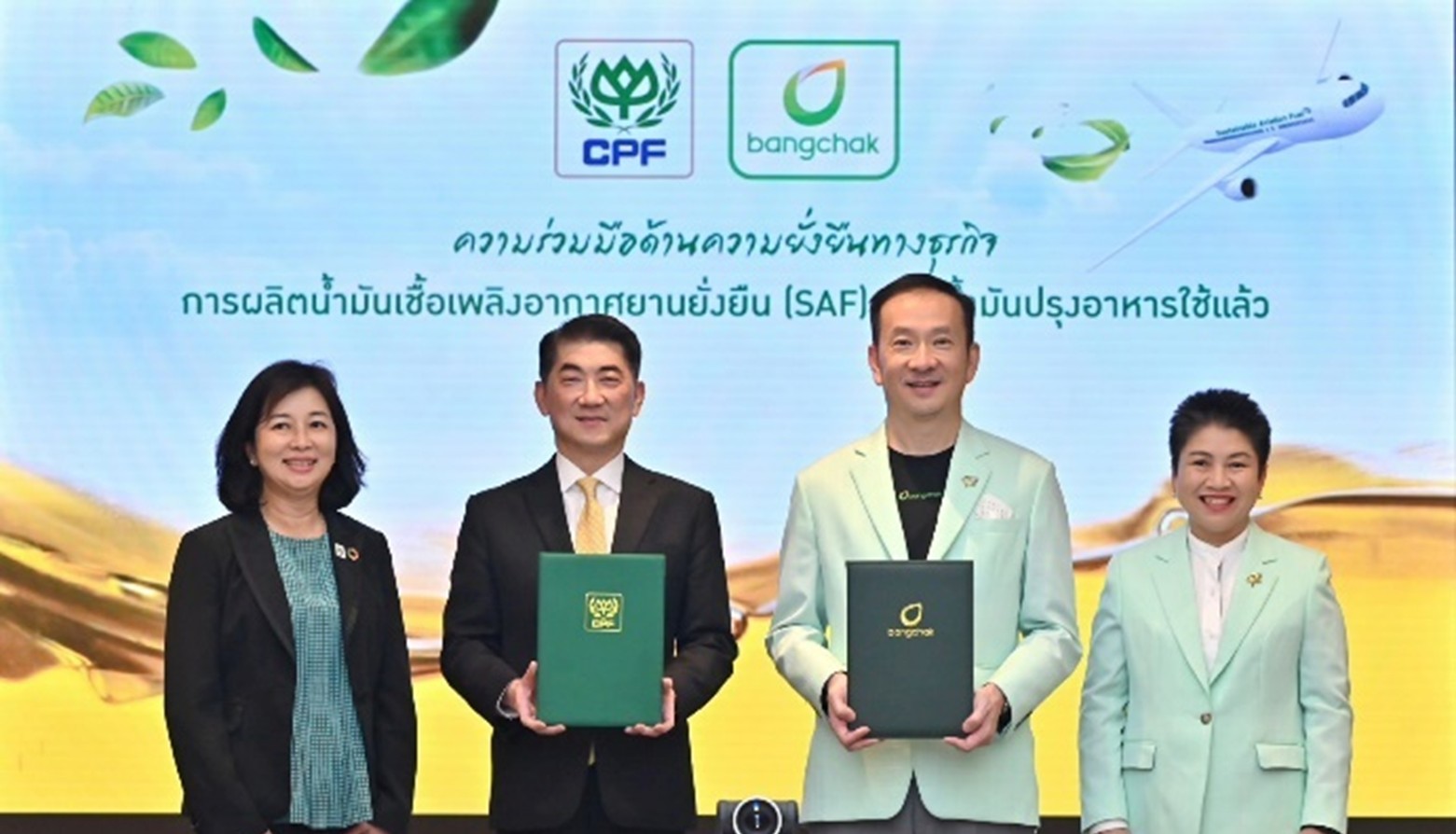
CPF x BCP: Converting Used Cooking Oil into SAF
The company has signed a Memorandum of Understanding (MoU) with Bangchak Corporation Public Company Limited to convert used cooking oil and other fats from food production—including fats recovered from the company’s wastewater treatment facilities—into Sustainable Aviation Fuel (SAF). This initiative builds on the company’s ongoing collaboration through the “No Refry” and “Fry to Fly” projects, which have been implemented across several business units, including food processing, Chester’s restaurants, Five Star, Iron Pan restaurants, and Hainanese Chicken Rice restaurants. These projects have been carried out since 2022 in partnership with BSGF (a Bangchak subsidiary) and the Department of Health, Ministry of Public Health, as key partners.
Key benefits of the initiative include:
- Supporting a more sustainable aviation sector by helping reduce CO₂ emissions by up to 80% compared with conventional aviation fuel.
- Expanding the network of green entrepreneurs.
- Improving quality of life and public health in Thailand by reducing the practice of reusing frying oil (repeat frying).
CPF x Apeiron Bioenergy: Converting Used Cooking Oil into Biodiesel
In Vietnam, the Five Star business partners with Apeiron Bioenergy (Vietnam) to collect and process used cooking oil into biodiesel. This reduces the of reusing frying oil, which can harm health, while also replacing fossil fuels with a more sustainable alternative. So far, 332 participating stores have collected more than 20 tons of used cooking oil.
In addition, the Fish Ben Tre and Shrimp Hue Food Binh Phuoc factories have supplied over 117 tons of used cooking oil to partners for biodiesel production.
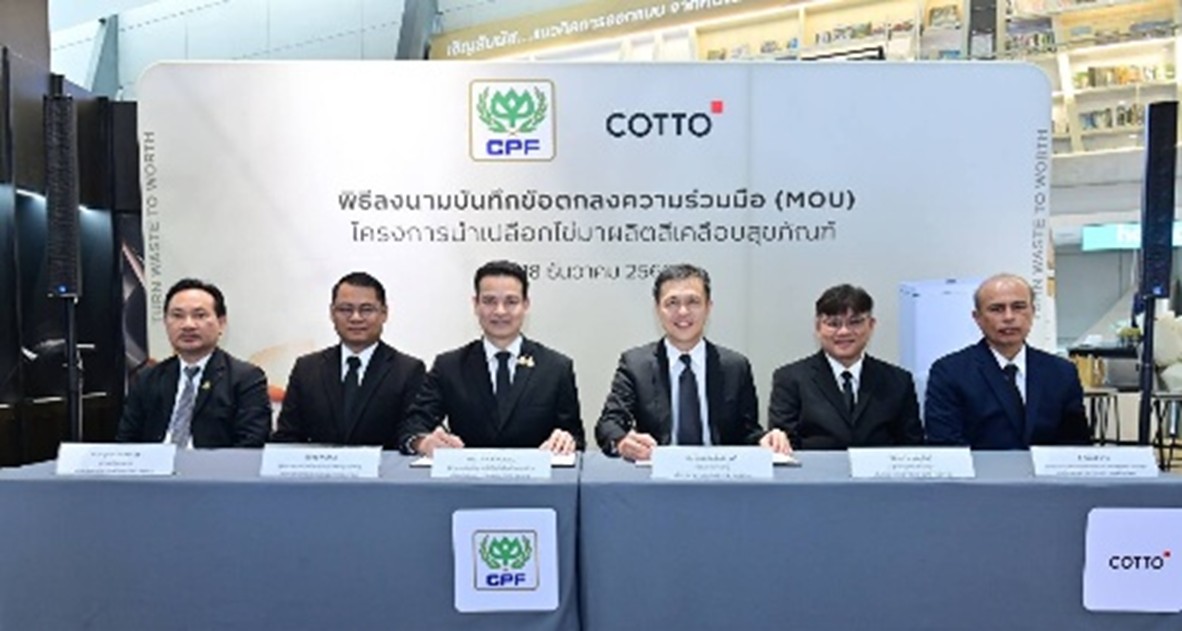
CPF x COTTO: Transforming Eggshells into Eco-friendly Sanitary Ware
The Company has partnered with COTTO to reuse eggshells—a by-product from its hatcheries—by processing them into a substitute for limestone in sanitary ware coating. This innovation reduces the use of virgin natural resources and supports the Company’s goal of zero waste to landfill. It also demonstrates how cross-industry collaboration can turn waste into value and strengthen the sustainability standards of environment-friendly construction materials.
Key benefits include:
- Reducing greenhouse gas emissions by lowering the need for limestone calcination (burning) used in sanitary ware coatings.
- Cutting emissions linked to the extraction and use of limestone in the production process.
- Avoiding emissions that could result from sending eggshell waste to landfill.
CPF x Suppliers: Upcycling to Reduce Waste
High-Protein Fish Soluble from Discarded Fish Steaming Water
Chicken Blood Meal from Discarded Chicken Blood
Upcycling to Enhance the Nutritional Benefits of By-products
Building Shared Awareness
Employees
The Company helps all employees better understand sustainability concepts regarding the circular economy, waste management, and sustainable packaging through foundational courses, supported by ongoing communication and engagement activities. In 2025, these included:
- The “ESG-Talk: Doing Good for Society the CPF Way” program delivered both live and via e-learning, with content focused on reducing food loss and using resources more efficiently.
- A training program on “Sustainable Value Chain Management through Carbon Footprint and Food Waste Reduction,” which strengthened employees’ understanding of food loss and waste reduction as a pathway to sustainable products and encouraged improvements across the product life cycle by minimizing raw material and energy use while managing waste effectively—attended by over 170 employees across all business groups.
- A food loss reduction project contest designed to motivate employees to reduce food loss in production, increase the value of by-products instead of disposing of them, and contribute to the Zero Food Waste goal.
Suppliers
The Company helps suppliers strengthen their environmental management practices—covering greenhouse gas emissions, energy, water, and waste—through its Sustainable Sourcing Policy and Supplier Guiding Principle. In addition, it regularly provides training on Product Carbon Footprint Assessment to help suppliers better understand and reduce environmental impacts, support sustainable product development, and minimize resource losses across the entire product life cycle.
Consumers and General Public
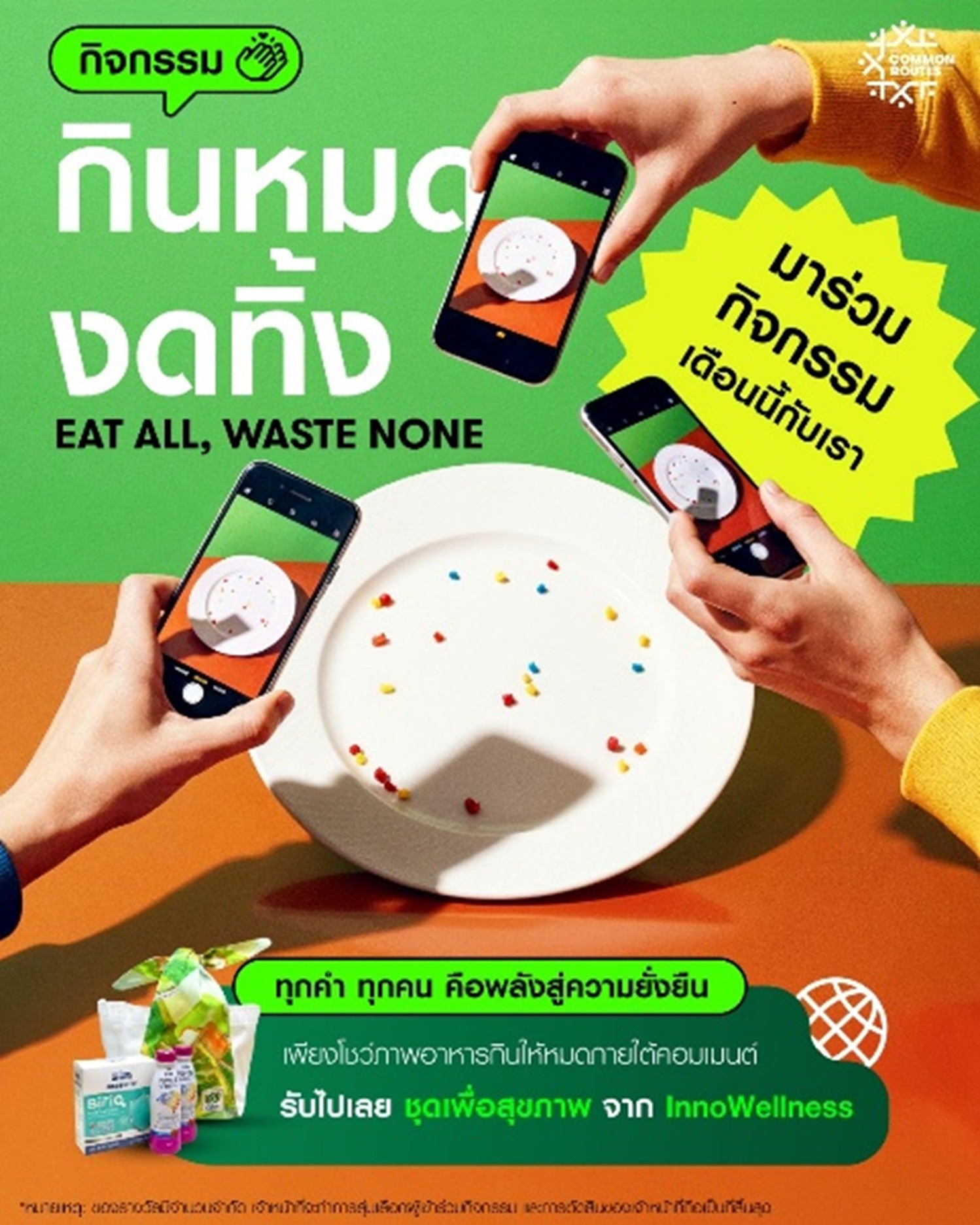
The Company encourages consumers to reduce food waste by finishing meals and minimizing leftovers. It regularly shares practical tips about food waste prevention and proper disposal methods through social media to motivate public participation and increase awareness.