Passion Towards Net Zero

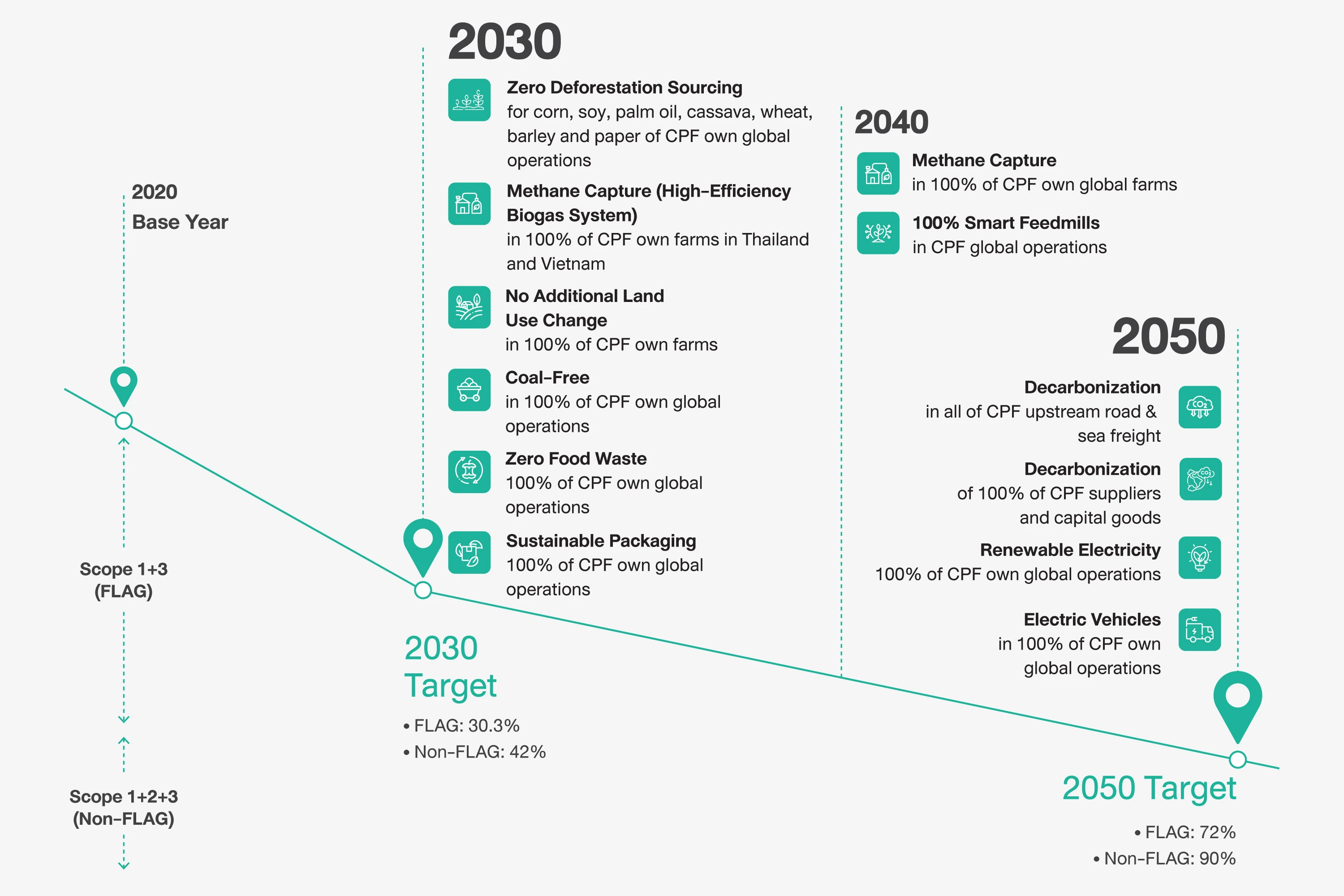
CPF is tackling climate change by committing to achieve net-zero greenhouse gas emissions across its entire value chain by 2050.
It is the first food processing company globally to have both its near-term and long-term targets validated by the Science Based Targets initiative (SBTi), in alignment with the Forest, Land and Agriculture (FLAG) guidance. These targets are designed for the agriculture and food sector and are consistent with limiting global warming to 1.5°C.
GHG Reduction Targets
| GHG Reduction Targets Compared to 2020 base year | Year 2030 | Year 2050 |
|---|---|---|
| Energy and Industrial Sector (non-FLAG) | 42% | 90% |
| Forest, Land and Agriculture (FLAG) | 30.3% | 72% |
2025 CPF Sustainability: Net-Zero Journey
CPF Net-Zero Strategy
C - Carbon*
P - Power
F - Future

Network


*Carbon dioxide equivalent (CO2e)


Implementation and Key Initiatives
The Company has established short-, medium-, and long-term plans to reduce greenhouse gas emissions and achieve net-zero across its entire value chain by 2050. At the same time, it has developed comprehensive emissions data across the value chain through its Net-Zero Intelligence Platform (SNIP), becoming the first company globally to utilize SAP sustainability solutions to capture, analyze, and report real-time carbon emissions data—from upstream raw material farms to downstream food production.
“We are committed to achieving net-zero goals, ensuring that business success and the growth of our stakeholders go hand in hand with limiting global warming to 1.5°C.”
Key Actions





Coal-free and Renewable Energy Expansion
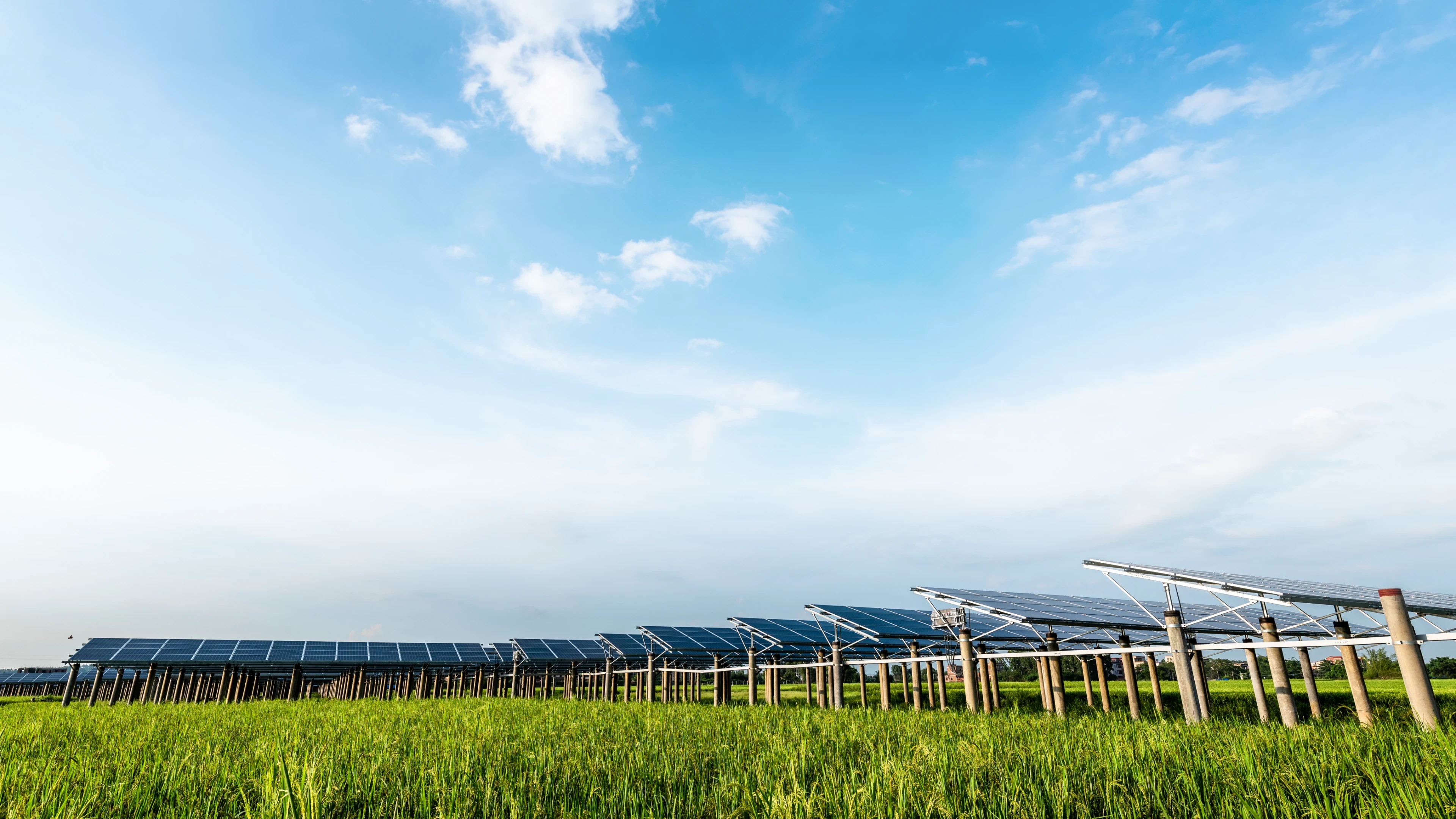
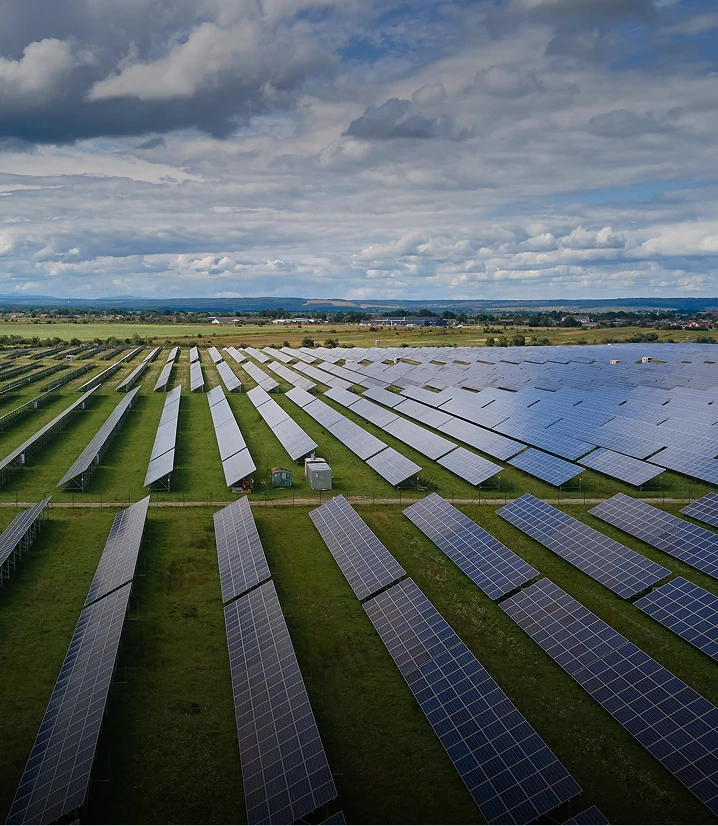
The Company is continually adopting clean energy by modernizing production with new technologies, eliminating the use of coal, expanding the use of renewable power, and increasing the use of electric trucks.
Renewable Energy Usage
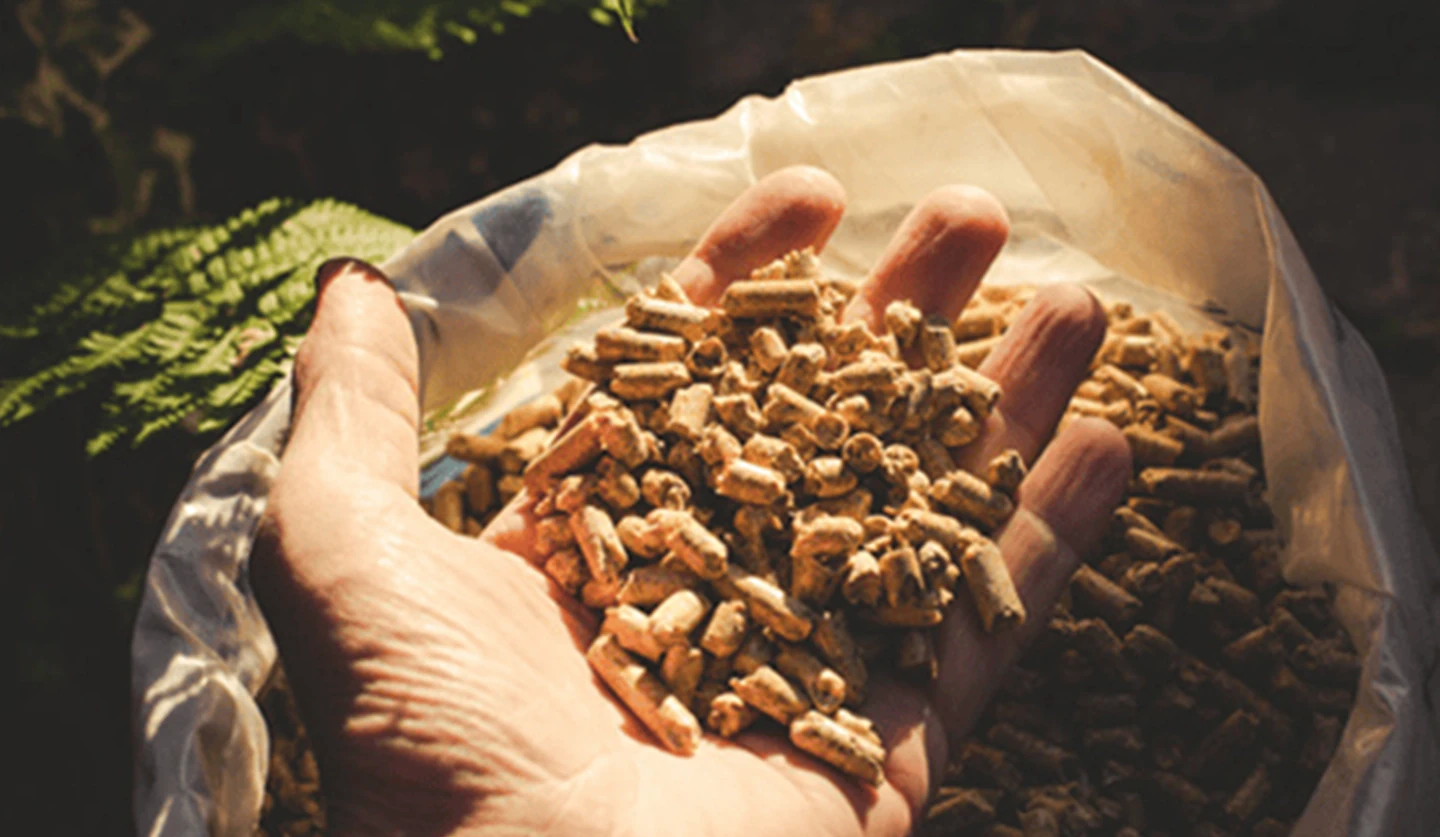
Biomass
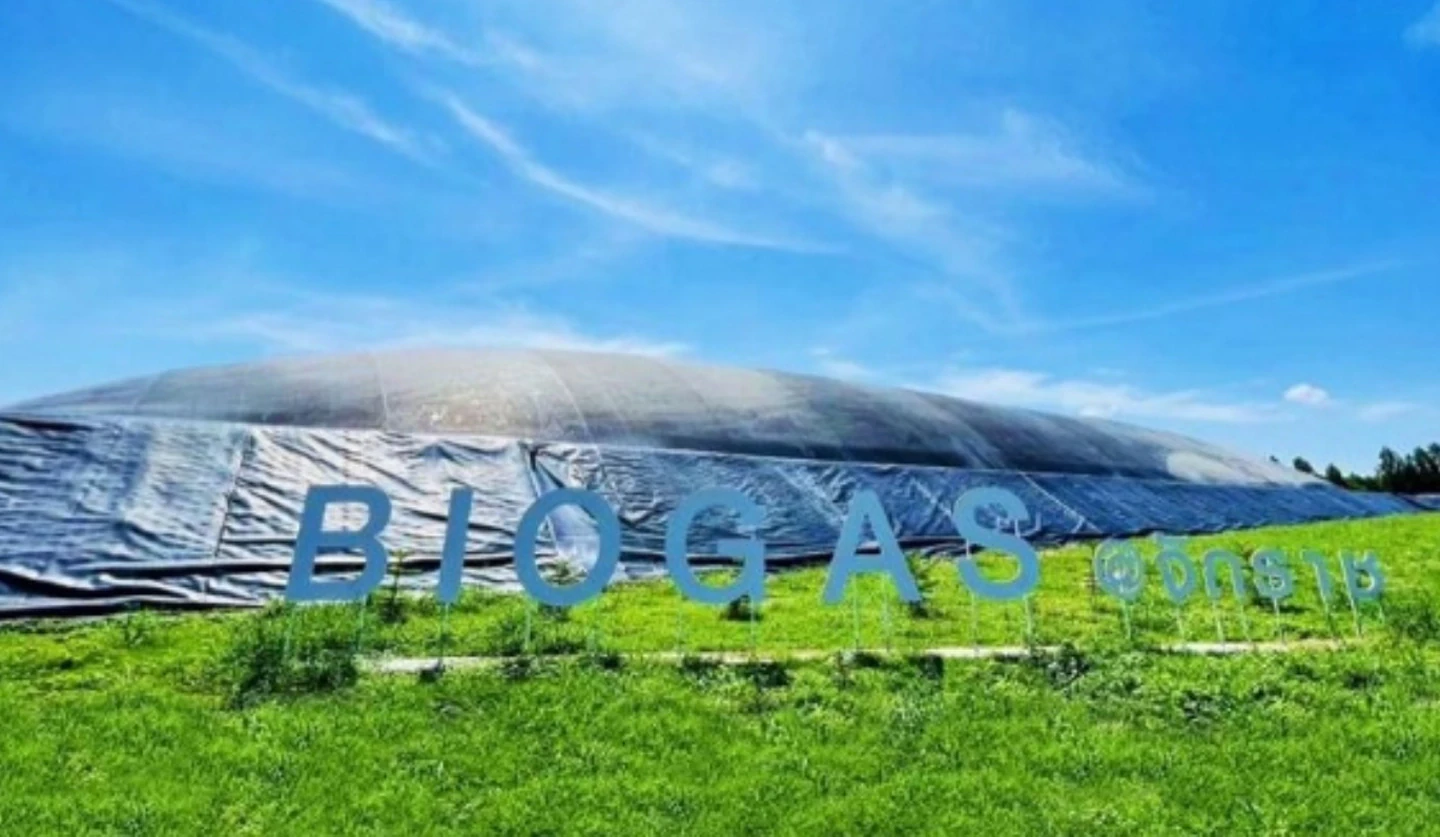
Biogas
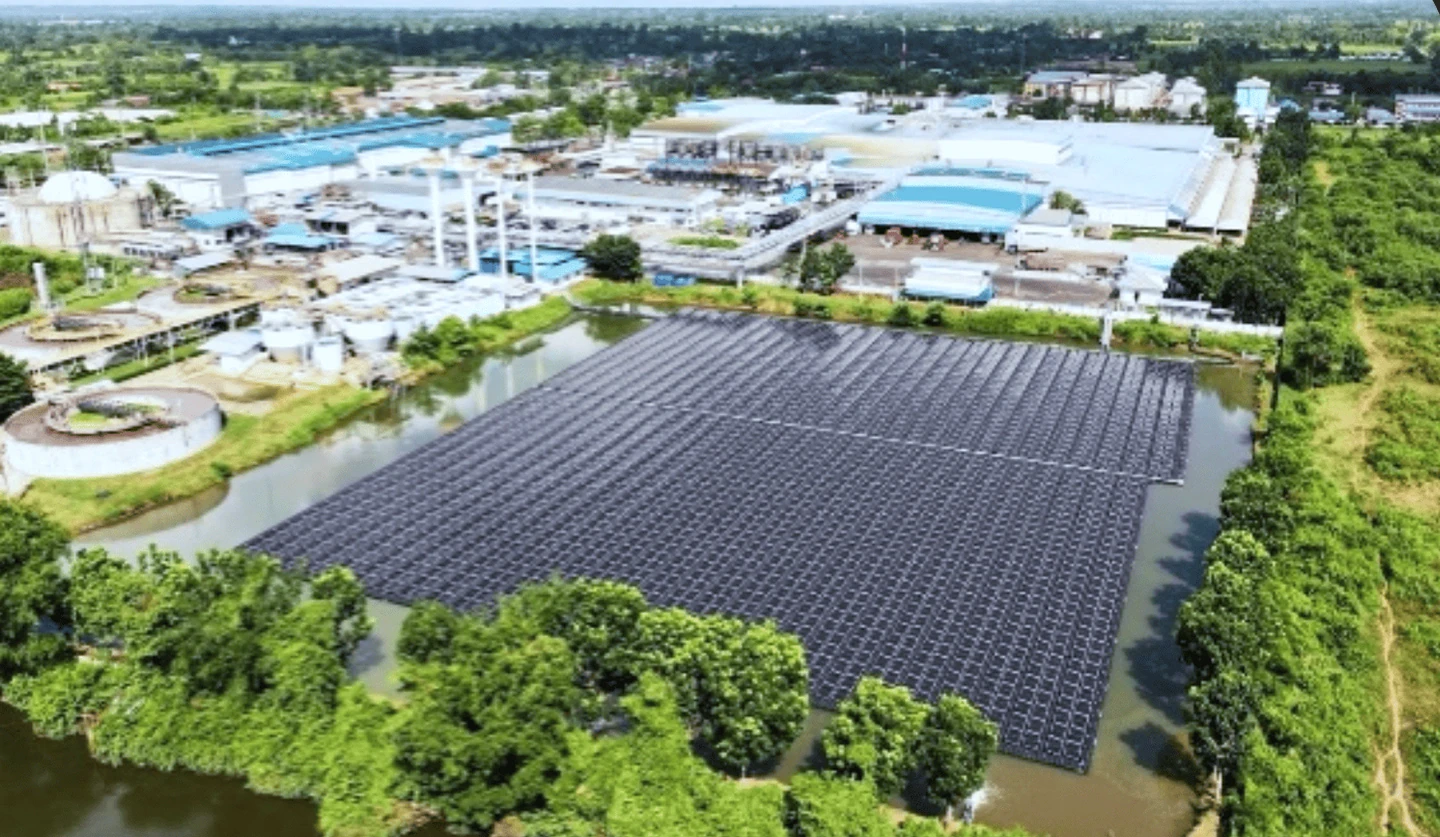
Solar PV
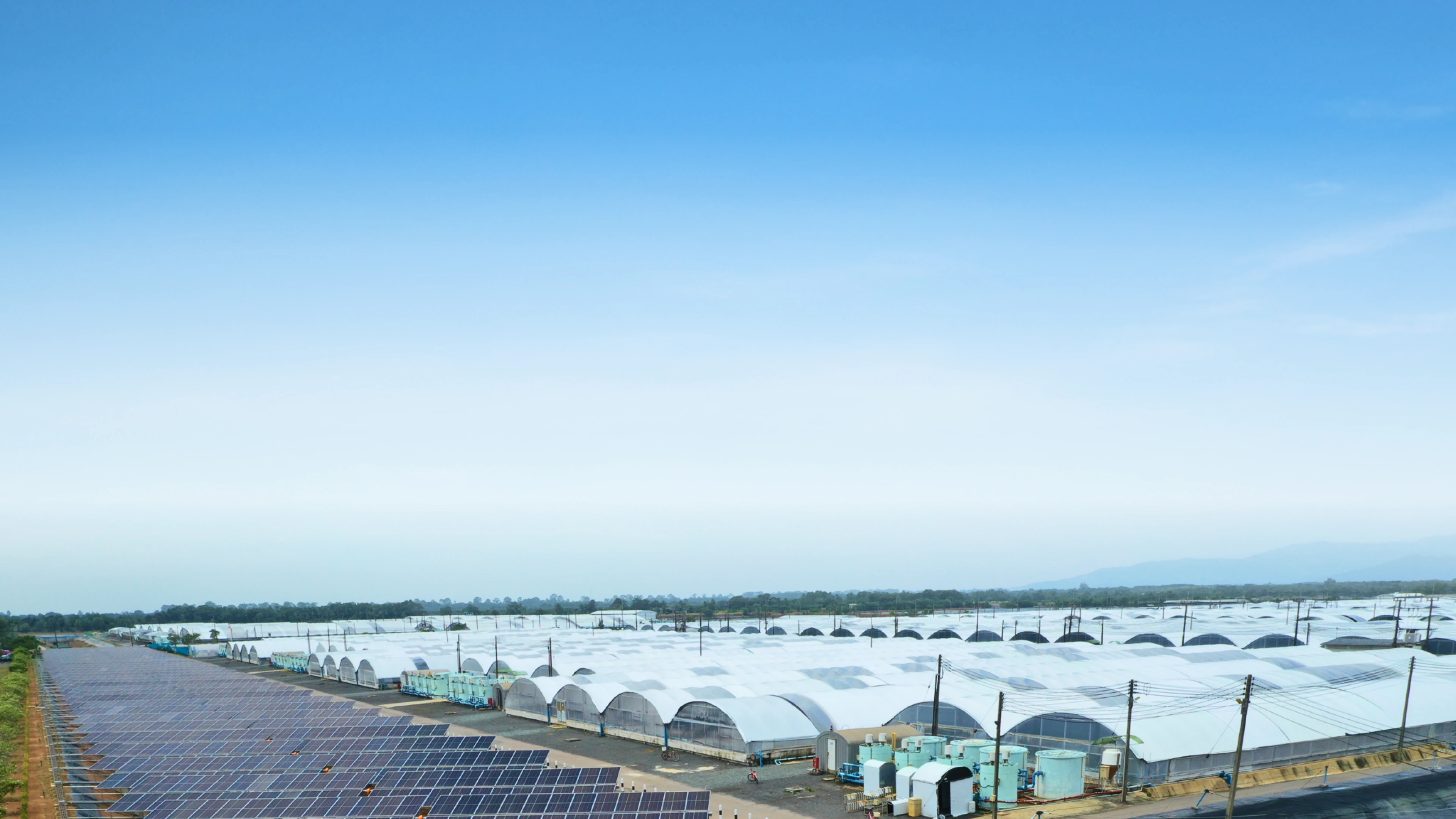
RE100 Farm: 100% Renewable Energy Model Farm
In 2025, the Company converted its Chanthaburi Layer Chicken Complex into a model farm powered by 100% renewable energy (RE100). The project earned the Outstanding Award at the Thailand Energy Awards 2025 and also received second runner-up recognition at the regional level in the ASEAN Energy Awards 2025, thanks to its standout features, including:
Self-Sufficiency with 100% Clean Energy
The farm relies on two main renewable energy sources:
- Waste to value biogas system, converting chicken manure into biogas to generate electricity.
- Solar panels installed in 2024 to maximize the use of natural, renewable energy.
Smart Energy Management Innovation (EMS)
A Smart Energy Management System (EMS) has been installed to act as the “brain” of the farm’s energy use.
- The system continuously monitors demand and automatically chooses the best power source—biogas, solar energy, or the electricity grid—at different times of the day.
- This improves the use of clean energy by more than 3.6 million kWh per year, greatly reducing dependence on grid electricity, while also ensuring the egg production process remains stable and reliable.
Sustainability Outcomes
- Cut CO2 emissions by more than 16,500 tons per year, equivalent to planting over 1.7 million trees.
- Transformed chicken manure, previously considered waste, into valuable energy through a waste to value approach, while also alleviating odor issues for the surrounding community since 2018.
The Company plans to replicate the success of this RE100 model farm at other layer chicken complexes across Thailand, while continuing to improve the efficiency of its renewable energy generation.
Innovating Low Carbon Products
Environment-Friendly Feed
The Company produces feed for swine and laying hens using a balanced mix of protein sources and carefully selected enzymes tailored to each animal’s age. This approach:
- Improves digestion and supports overall animal health.
- Reduces gas, odors, and greenhouse gas emissions, making the feed more environment-friendly.
- Helps farmers reduce feed costs.
Reduce Excess Nitrogen by
Reduce Excess Nitrogen by
Reduce CO2e by approximately
Low Carbon Food Products
The Company is committed to developing low-carbon products. Since 2009, it has measured the carbon footprint of its products using life cycle assessment (LCA) methods aligned with ISO 14040, ISO 14044, and ISO 14067. This work has been certified through product labels issued by the Thailand Greenhouse Gas Management Organization (TGO).
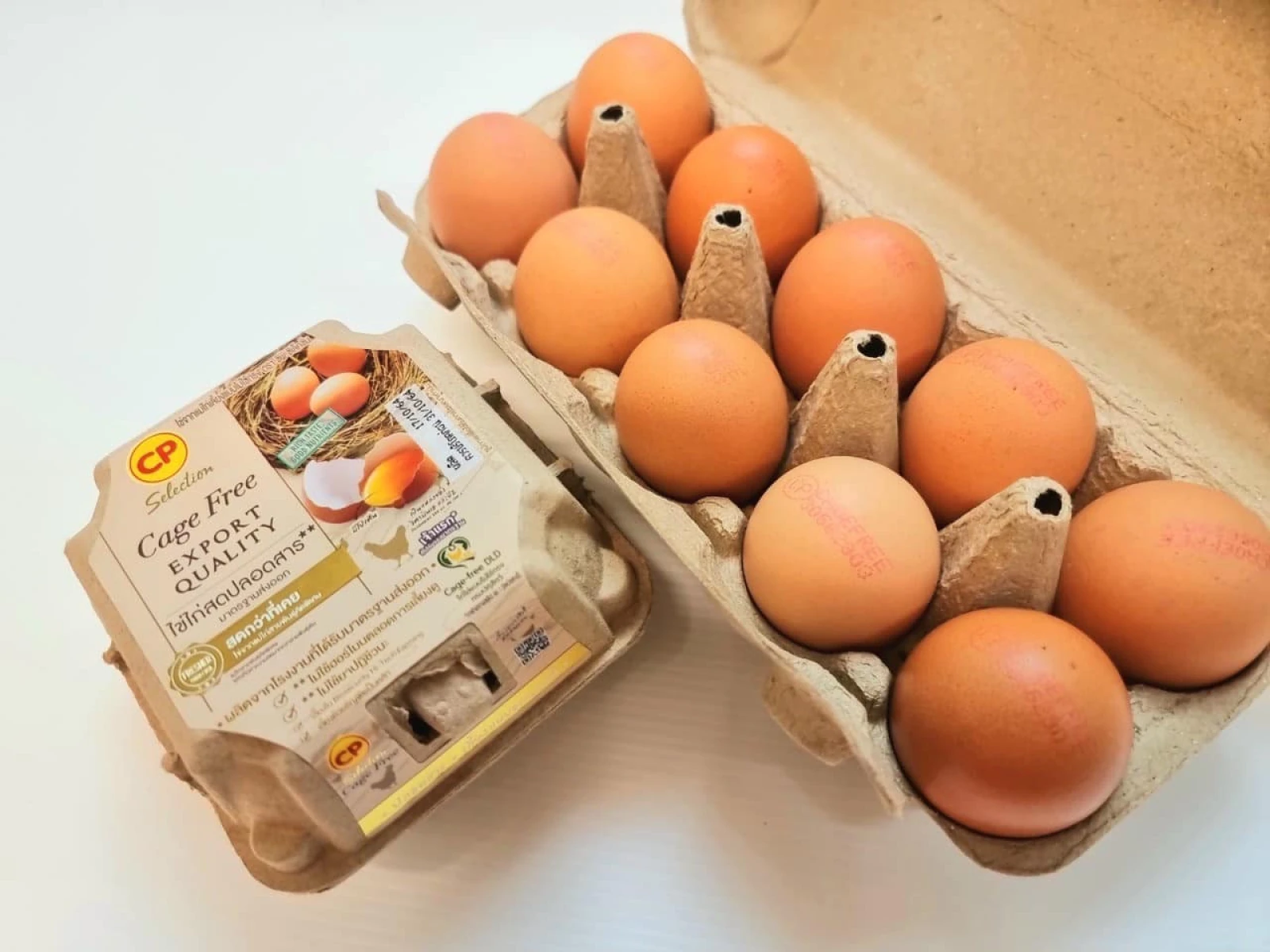
2030 Target
2025 Performance
Products Certified with the Carbon Label
Carbon Footprint of Products Label

Carbon Footprint Reduction Label

Carbon Neutral Label
Net-Zero Product Label
Carbon Footprint of Products Label
| Livestock Feed | Aquaculture Feed | Pork | Chicken | Duck | Chicken Eggs | Shrimp | Sauces | Pet Snack | Ready-to-eat foods |
|---|---|---|---|---|---|---|---|---|---|
| 671 | 21 | 34 | 58 | 23 | 42 | 20 | 13 | 47 | 50 |
Carbon Footprint Reduction Label
| Livestock Feed | Pork | Chicken | Duck | Chicken Eggs | Shrimp | Ready-to-eat foods |
|---|---|---|---|---|---|---|
| 33 | 21 | 25 | 7 | 40 | 1 | 24 |
Carbon Neutral Label
Cage Free Egg under U Farm brand, 4 and 10 eggs pack
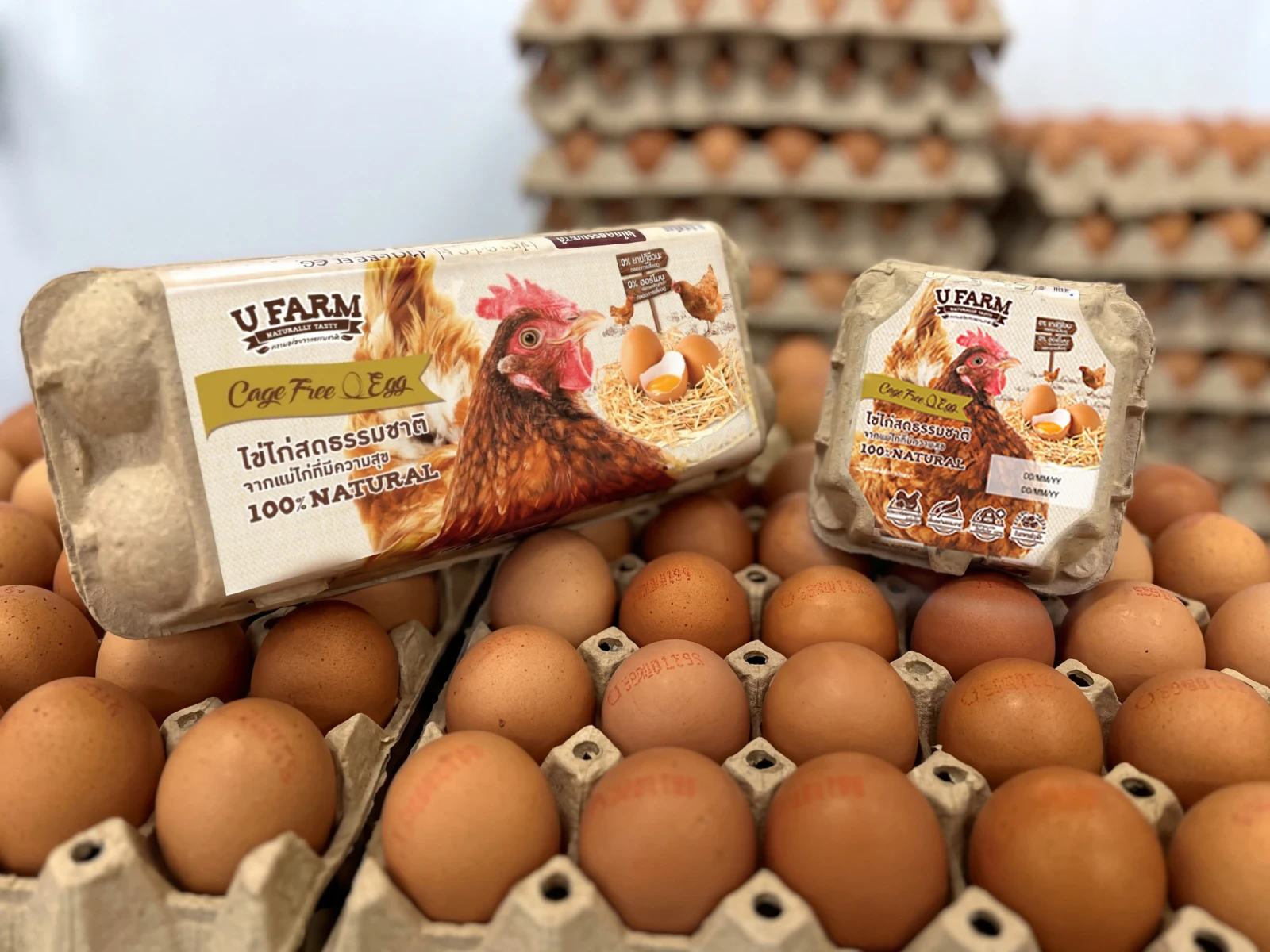
Benja Omega 3 Egg under U Farm brand, 4 and 10 eggs pack

Net-Zero Product Label
Chilli Bologna under CP brand 135 g and 150 g pack

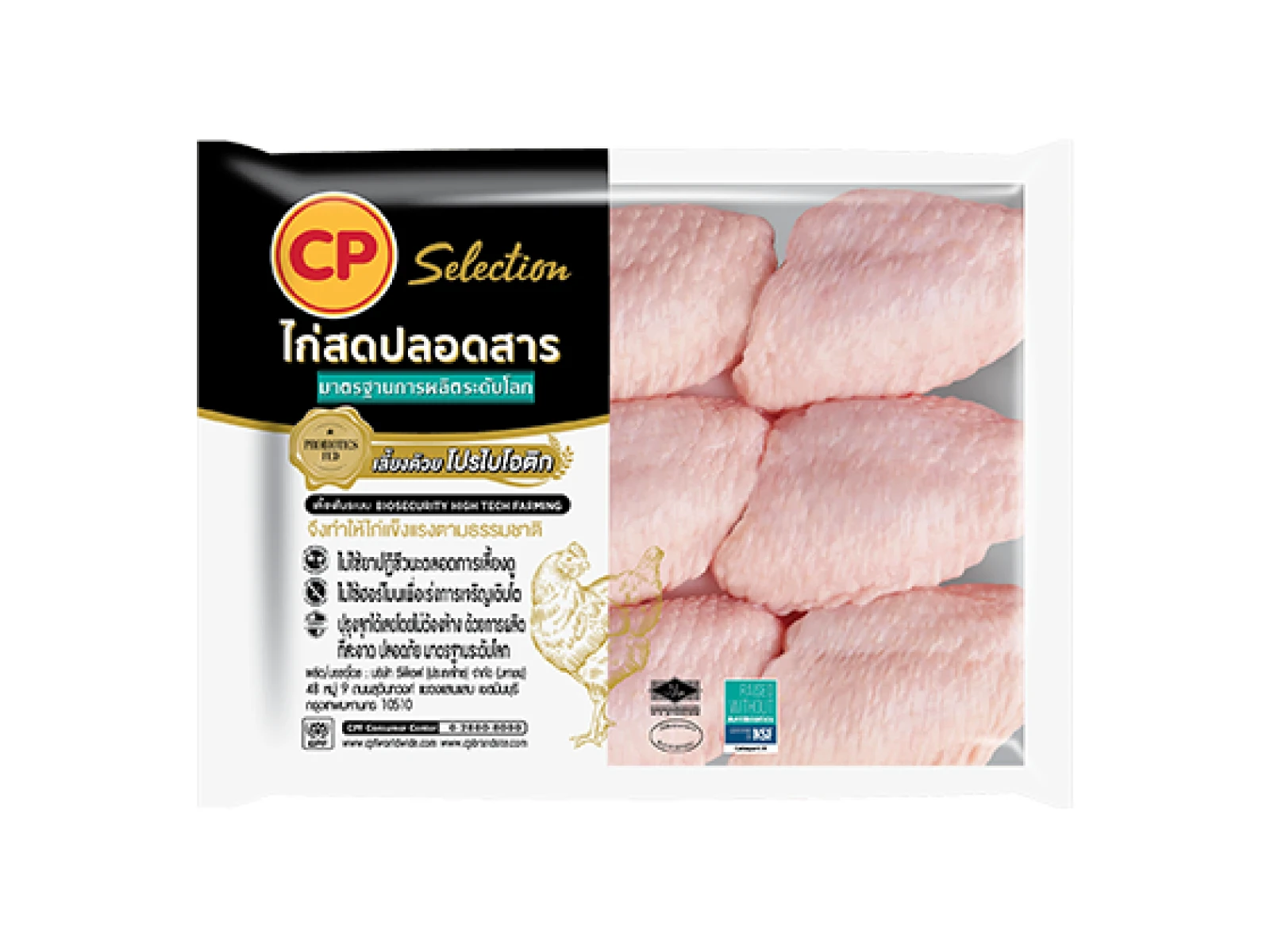
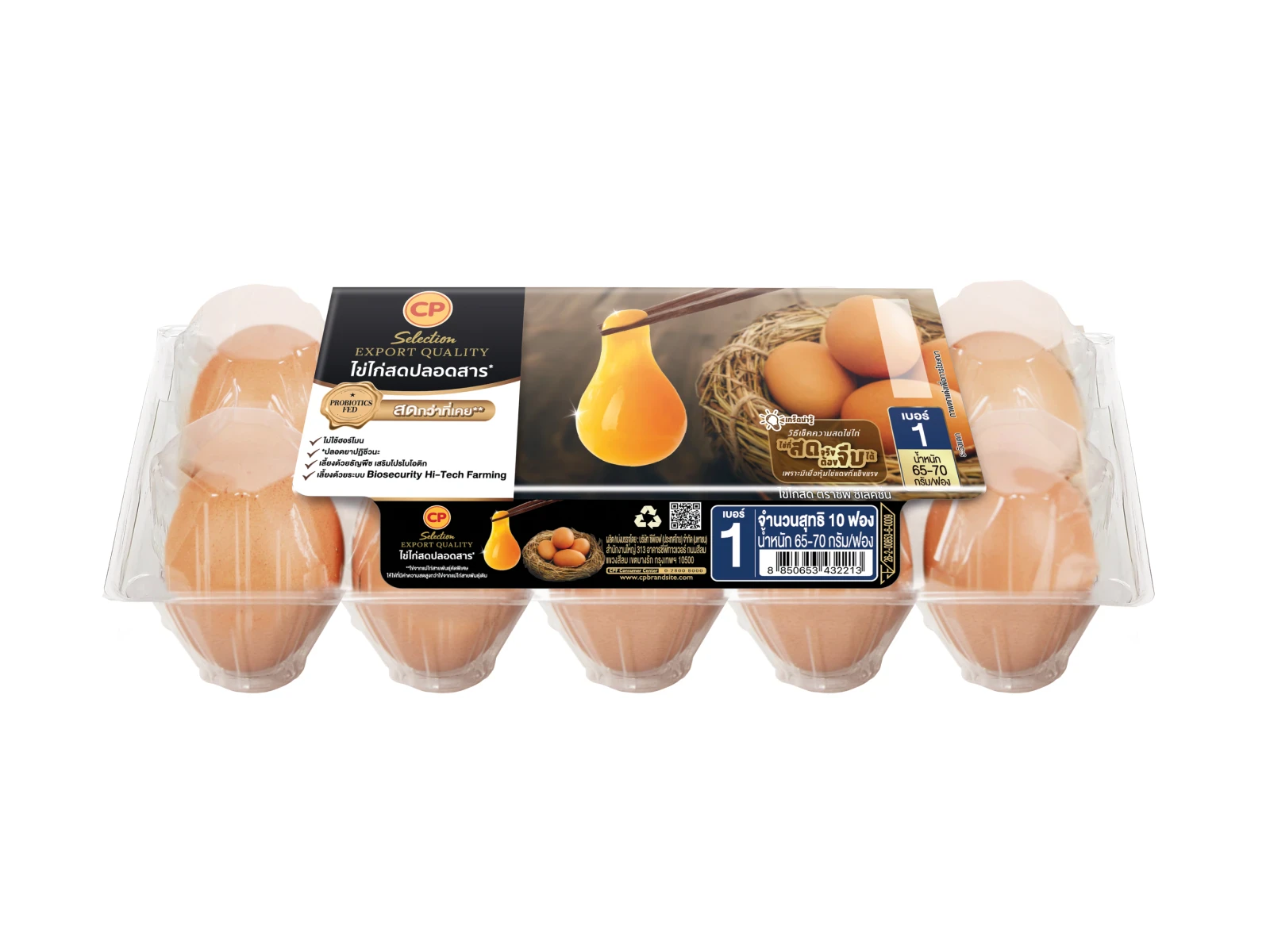
Fresh chicken, fresh pork, and fresh chicken eggs have carbon footprint values lower than the national average, when compared to Thailand's baseline. (Reference is based on the Product Carbon Footprint Emission Factors, updated in July 2022 by the Thailand Greenhouse Gas Management Organization (TGO))
Fresh chicken products possess a carbon footprint that is over
Fresh chicken egg products possess a carbon footprint that is over
Fresh pork products possess a carbon footprint that is over


GHG avoided through low-carbon products
*The data covers product groups including broiler feed, fattening pig feed, Cheeva Pork products (U Farm brand)—which consist of piglets, fattening pigs, pork carcasses, and fresh pork—as well as fresh chicken, live meat ducks, and fresh duck meat.
Business Impact Valuation: Social Cost of Carbon
CPF recognizes the importance of climate resilience. As one of our material topics, CPF tracks our climate-related impacts through generally accepted indicators, including GHG emissions. We have targets in place to reduce GHG emissions and ultimately achieve net-zero emissions by 2050.
Furthermore, CPF conducts impact valuation in terms of the social cost of carbon (SCC), based on the World Economic Forum’s (WEF) International Business Council (IBC) Guidance. The social cost of carbon measures the monetary value of the net harm to society associated with GHG emissions released into the atmosphere in a given year. This includes the value of climate change impacts across social and environmental dimensions, including, but not limited to, changes in net agricultural productivity, human health effects, property damage from increased flood risks and natural disasters, disruption of energy systems, risk of conflict, environmental migration, and the value of ecosystem services.
CPF strives to reduce GHG emissions across both our operations and value chain by increasing the proportion of renewable energy and implementing energy efficiency improvement programs. We also promote resilience in the value chain through research and development of low-carbon products and by promoting sustainable sourcing across various areas, such as traceable and deforestation-free sourcing, climate-resilient and sustainable agriculture, and carbon footprint accounting of raw materials. We believe these activities can help mitigate the climate impacts associated with our operations and generate positive long-term impacts for society.
Remark: Data includes operations in Thailand, Vietnam, Republic of China (Taiwan), the United States, the Philippines, Cambodia, Malaysia, the United Kingdom, India, Türkiye, Laos, and Belgium.
