Animal Welfare
Targets
Performance
Remarks :
i The operations cover Thailand, Vietnam, the Republic of China (Taiwan), Laos, Cambodia, Malaysia, the Philippines, and Russia.
ii The operations cover Thailand, Vietnam, the Republic of China (Taiwan), Laos, Cambodia, Malaysia, and the Philippines, with cage-free egg production in Thailand and the Republic of China (Taiwan).
iii The operations cover Thailand, Vietnam, the Republic of China (Taiwan), Cambodia, Malaysia, the Philippines, India, and Russia.
Approximately 20% of global animal-based protein production is lost due to animal diseases 1, posing a significant threat to food security, a fundamental human right. This challenge often leads to the extensive or improper use of antimicrobial agents across human healthcare, animal husbandry, and agricultural practices, accelerating the emergence of antimicrobial resistance (AMR). AMR is recognized as one of the world’s top ten global health threats 2, and it is projected that, by 2050, this condition could result in approximately 10 million deaths annually worldwide 3.
The Company operates an integrated food production value chain, spanning from upstream to downstream activities, and is committed to promoting a sustainable food system through internationally recognized food safety certifications that safeguard consumer health. The Company places strong emphasis on animal welfare, with the objective of enhancing quality of life across all stages of the production process. Animal husbandry practices are aligned with animal-friendly farming systems, guided by the Five Freedoms and the Five Domains Model of Animal Welfare. In addition, on-farm biosecurity systems are systematically implemented as part of farm management to prevent and control disease risks. The Company has established an Animal Welfare Committee to drive its long-term animal welfare policies and strategic goals, alongside an Antimicrobial Stewardship Committee responsible for advancing the implementation of the Global Vision for the Responsible Use of Antimicrobials in Animals.
These policies and practices are applied as consistent, group-wide standards across all countries of operations, supported by robust traceability systems. This approach reinforces consumer confidence while contributing to the prevention of potential disease outbreaks and the strengthening of public health resilience.
Remarks :
1 Global Health Risks and Tomorrow’s Challenges (accessed on 25 December 2024), World Organisation for Animal Health, 2024. Available online: https://www.woah.org/en/what-we-do/global-initiatives/one-health/
2 Top 10 Public Health Challenges in 2025, International Multispecialty Journal of Health, 2025, Available online: Top 10 Public Health Challenges in 2025
3 Antimicrobial resistance, World Health Organization, 21 November 2023.
Management Approach
The Company has elevated its livestock operations in line with internationally recognized animal welfare standards, including the Five Freedoms and the Five Domains Model of Animal Welfare. To ensure consistent implementation across all countries of operations, the Company has established group-wide policies, manuals, and farm management guidelines. Senior management is assigned clear oversight responsibilities for animal welfare governance, supported by country-level Animal Welfare Committees in each country where livestock operations are conducted, as well as dedicated animal welfare specialists within each business line responsible for implementation and continuous improvement.
These governance structures cover both Company-owned farms and farms operated by farmers participating in the Company’s livestock promotion programs. In addition, the Company convenes global Animal Welfare Committee meetings at least once a year to facilitate knowledge sharing, monitor performance, and track progress on animal welfare initiatives.
The Company also ensures that animal welfare management across the organization, contract farmers, and business partners involved in the Company’s animal protein value chain fully complies with applicable laws, regulations, and statutory requirements in production countries, as well as key importing country regulations, customer requirements, and internationally recognized animal welfare standards.
To promote transparency and awareness, the Company publicly communicates its animal welfare performance and initiatives through various channels, including its Sustainability Report, corporate website, and social media platforms.
Responsible and Prudent Use of Antibiotics
The Company formally expressed its support for the United Nations’ efforts to combat antimicrobial resistance (AMR) at the One Health Summit, held on 21–22 September 2016 in Washington, D.C., United States of America. Through this engagement, the Company seeks to contribute to the advancement of the animal protein food value chain and global health systems under the One Health approach. This commitment is anchored in five key pledges:
To advance holistic health outcomes encompassing human health, animal health, and environmental health, the Company announced its Global Vision on the Use of Antimicrobials in Animals in 2017 under this commitment. The vision emphasizes the production of safe, high-quality, and sustainable food through the responsible and prudent use of antibiotics, applied consistently across Company-owned farms and farms participating in the Company’s livestock promotion programs.
Key principles under this vision include:
- No use of antibiotics approved exclusively for human medicine (human-only antibiotics).
- No use of medically important shared-class antibiotics—approved for both humans and animals—for the purpose of growth promotion.
- No use of hormones for growth promotion.
In addition, the Company prohibits the prophylactic use of antibiotics. Antibiotics are reserved solely for therapeutic purposes, in accordance with animal welfare principles, and may be administered only under the close supervision of licensed farm veterinarians. All medicines used must be approved by the relevant regulatory authorities, including the Food and Drug Administration of the Ministry of Public Health and the Department of Livestock Development of the Ministry of Agriculture and Cooperatives of Thailand, or the respective regulatory authorities in each country where the Company operates.
The Company has established a holistic and sustainable approach to controlling antimicrobial resistance (AMR) across its swine production value chain, encompassing the following key measures:
In addition, the Company demonstrates a continued commitment to reducing antibiotic use through multidisciplinary collaboration with leading Thai academic institutions on research related to antimicrobial use. These efforts aim to generate new knowledge and consistently support national public health policies. In 2025, notable research initiatives included:
- Collaboration with the Faculty of Medicine Siriraj Hospital, Mahidol University, to conduct continuous surveillance of bacterial populations and antimicrobial resistance (AMR) genes, establishing a robust scientific foundation for sustainable Raised Without Antibiotics (RWA) swine production.
- Collaboration with the Faculty of Veterinary Science, Chulalongkorn University, to evaluate the effectiveness of probiotics as alternatives to antibiotics and to assess the impact of antibiotic use on the development of antimicrobial resistance in swine farms, which is critically important for strengthening the national One Health policy framework.
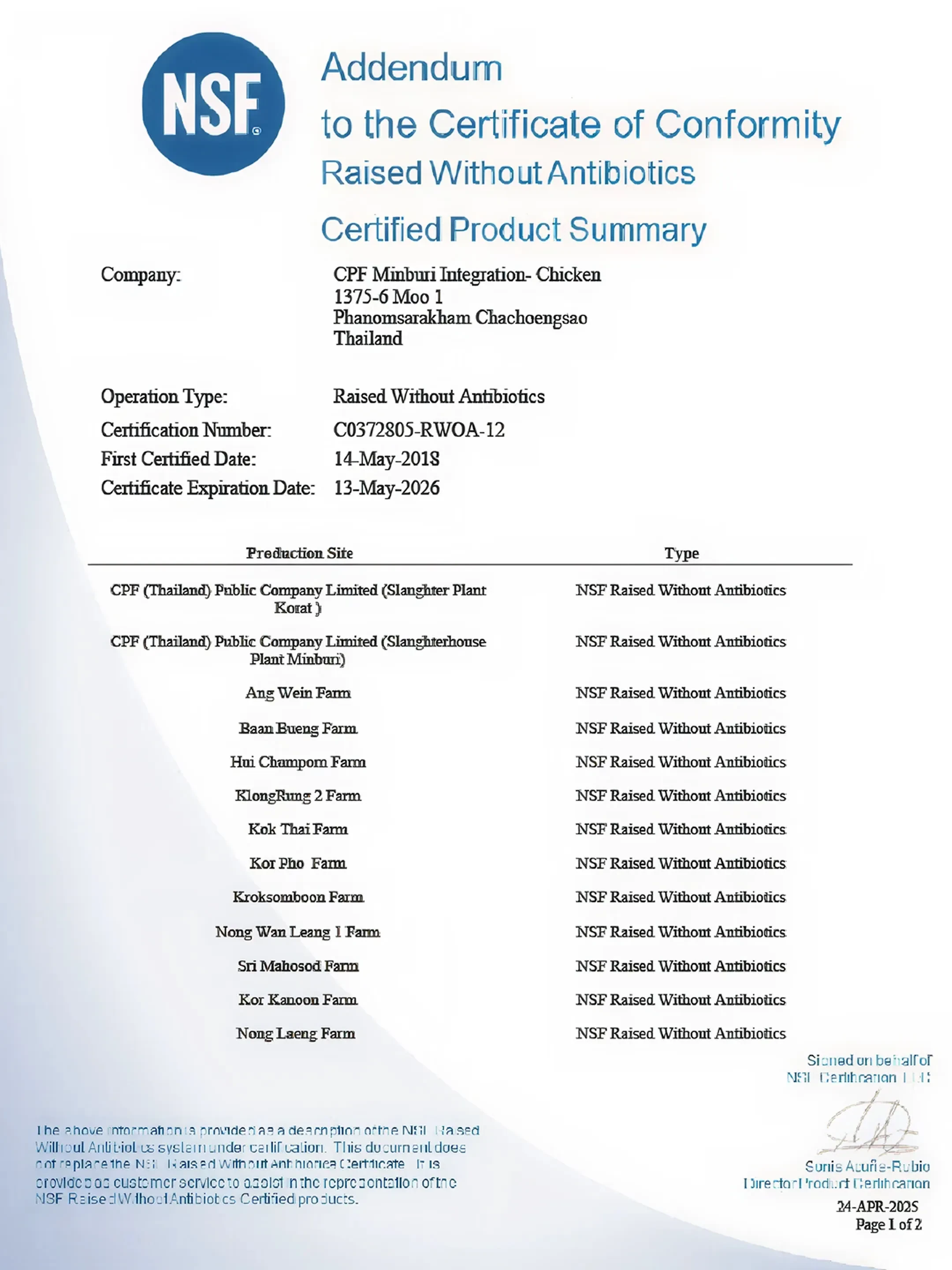
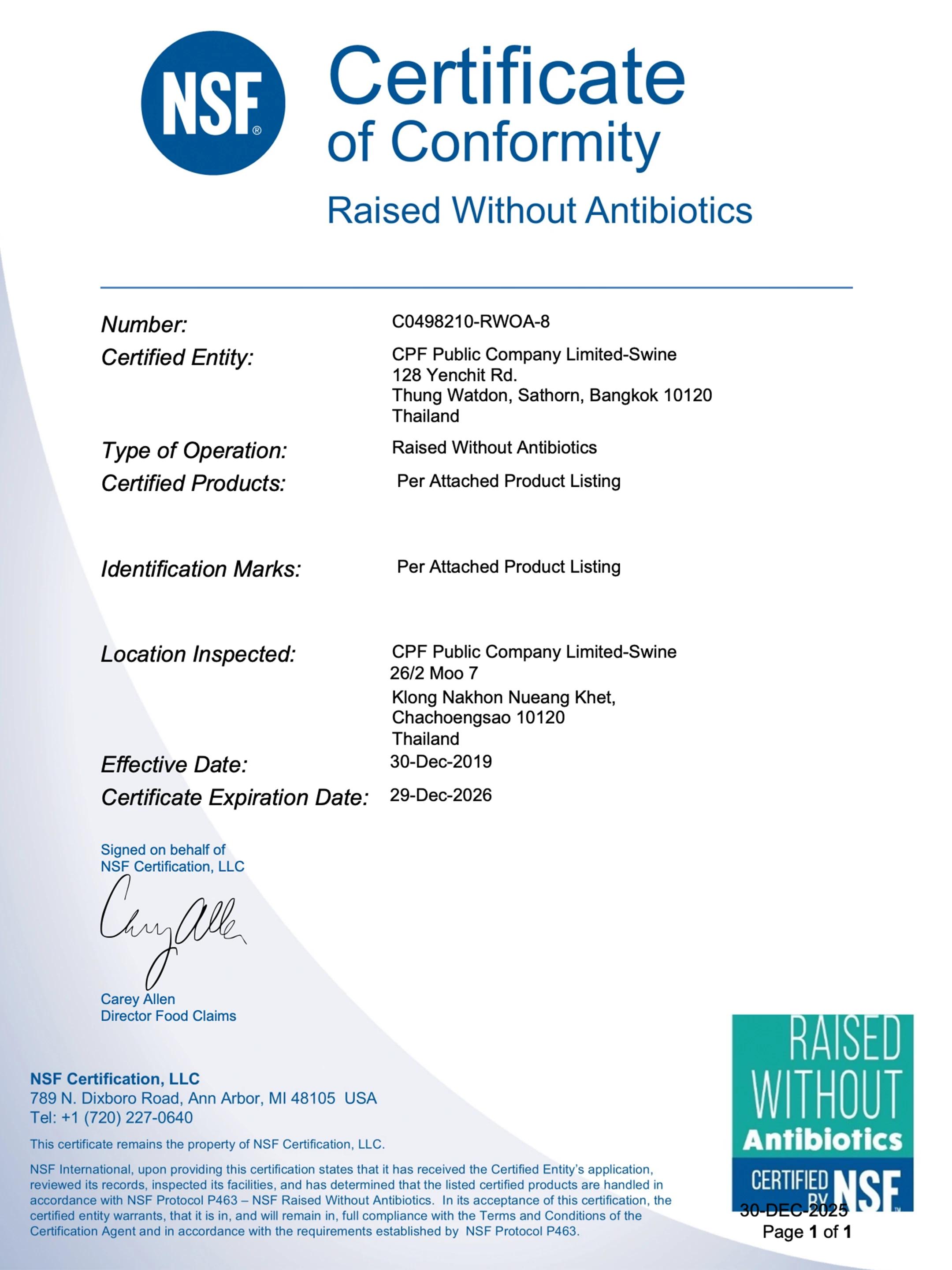
Through its sustained commitment to reducing, avoiding, and eliminating antibiotic use, in 2018, the Company’s Min Buri integrated broiler business achieved global certification for “Raised Without Antibiotics (RWA)” production, covering the entire production process—from hatchery and broiler farms to slaughtering and processing facilities—as certified by NSF International, United States of America.
The use of antibiotics for therapeutic purposes in the Company’s swine and broiler businesses does not include antimicrobials classified as Highest Priority Critically Important Antimicrobials (HPCIAs), whether those approved exclusively for human use (human-only antibiotics) or approved for both human and animal use (shared-class antibiotics), as defined by the World Health Organization (WHO) in the Critically Important Antimicrobials for Human Medicine, 5th Revision. In addition, the Company has discontinued the use of colistin in its broiler and swine operations since 2015 and 2017, respectively.
In the layer business, probiotics and natural extracts are used for the treatment of injured or sick hens. As a result, no antibiotics of any kind are used in layer farms operated by the Company or by farmers participating in the Company’s livestock promotion programs.
For the shrimp farming business, the application of probiotics supports improved shrimp health and enhanced water quality, thereby eliminating the need for antibiotic use.
| Antibiotics used only for Therapeutic Purposes | Free from Antibiotics | |||
|---|---|---|---|---|
| Swine | Broiler Chicken | Duck | Layer Chicken | Shrimp |
Research and Development
Research and development is at the core of the Company’s sustainable business operations. Accordingly, the Company is committed to advancing innovative solutions to enhance livestock production across its supply chain. These initiatives begin with the development of probiotic-enriched animal feed, which helps balance gut microbiota, strengthen animals’ natural immune systems, improve overall health, and reduce disease incidence.
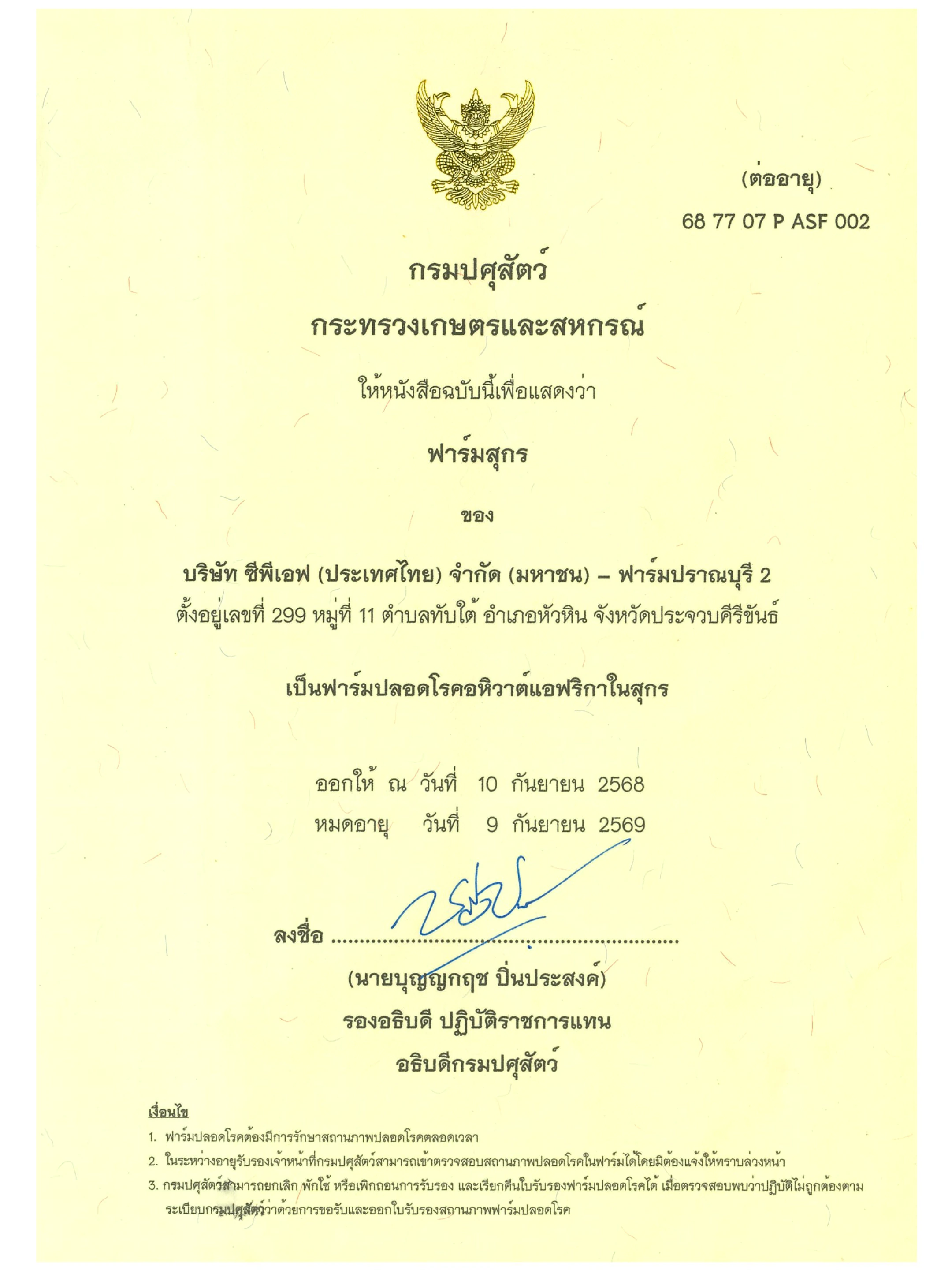
In addition, the Company has implemented comprehensive on-farm biosecurity systems designed to prevent the introduction of pathogens into livestock production areas. These measures include quarantine protocols prior to farm entry, the use of closed-house production systems, traceability systems for farm inputs, and strict controls on the movement of personnel and vehicles, all of which are required to pass through disinfection procedures before entering or exiting farm premises.
Furthermore, the Company is advancing smart farming practices by integrating artificial intelligence (AI) technologies into livestock operations, thereby enhancing the monitoring, control, and overall operational efficiency of farm management systems.
Genetic Engineering or Cloning
The Company places strong emphasis on the selection and testing of animal breeds based on natural genetic principles. Genetic engineering and cloning technologies are not used in the Company’s animal breeding processes. The Company also ensures that its business partners supplying grandparent and parent stock conduct research and breed development in accordance with natural genetic practices, without the application of genetic engineering or cloning.

Animal Husbandry, Transportation, and Slaughtering
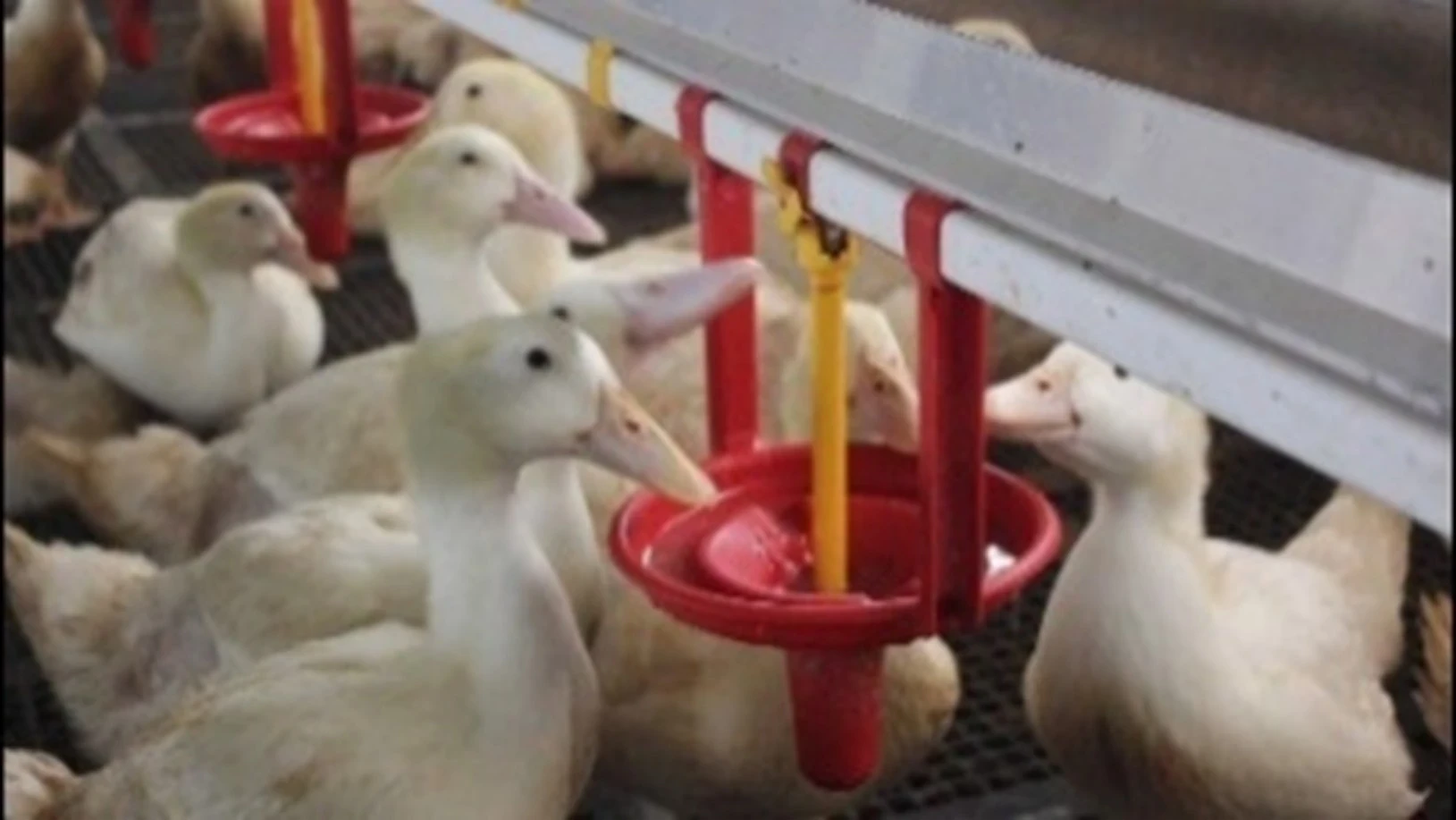
The Company places the highest priority on ensuring the comfort and well-being of all animals, avoiding confinement in restrictive spaces and enabling animals to fully express their natural behaviors. Across all countries of operation, fattening pigs, breeding poultry, broilers, breeding ducks, and meat ducks are raised in group housing systems, with sufficient space to support natural behaviors.
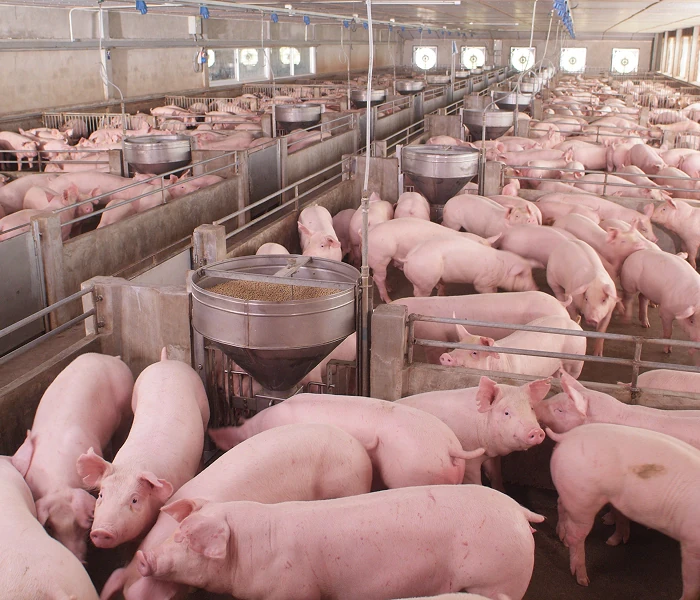
For breeding sows, the Company has implemented group housing systems for pregnant sows since 2000, and has set a target to achieve 100% adoption across Company-owned farms and contract farms under livestock promotion programs in all countries of operation by 2028.
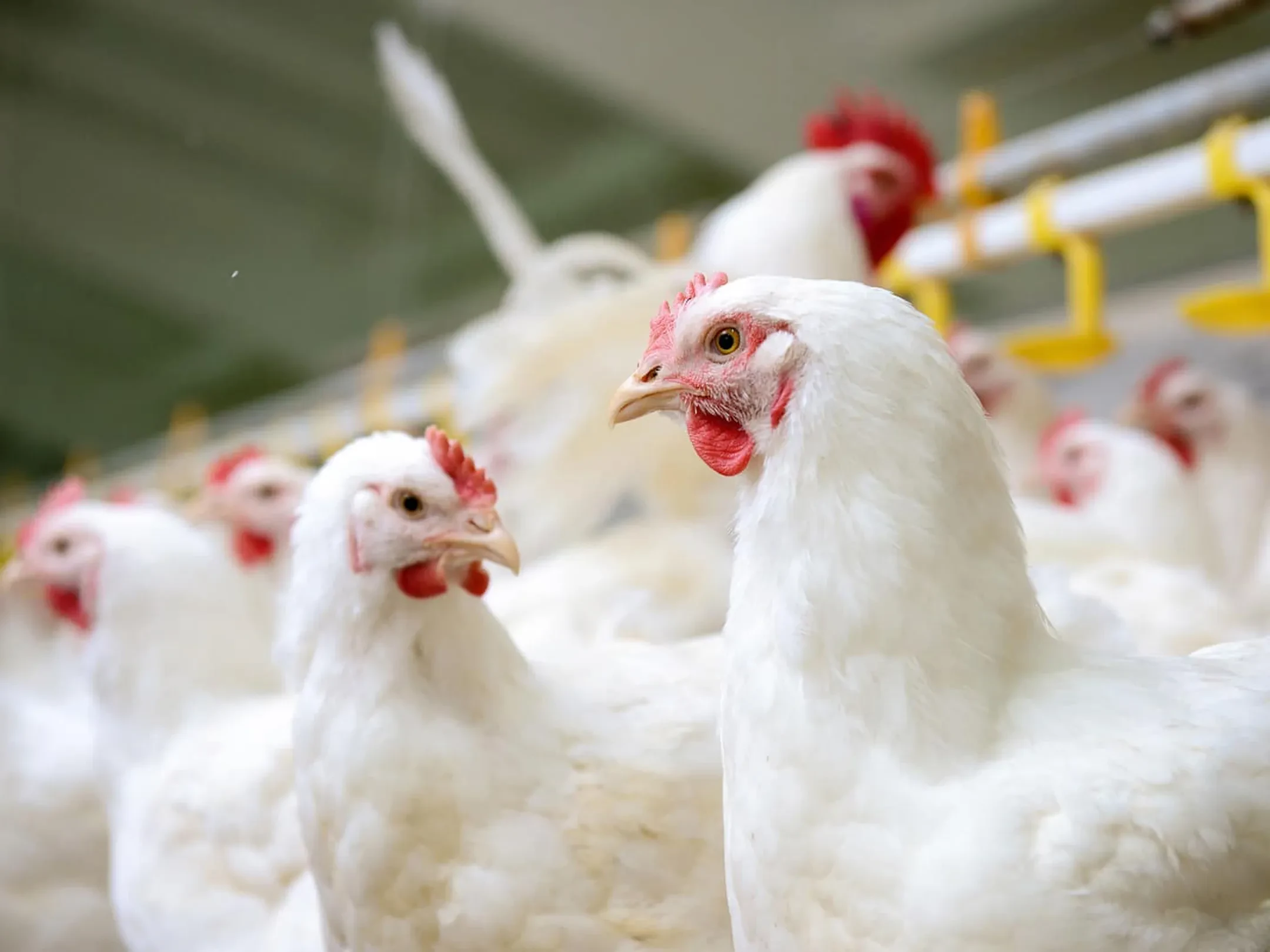
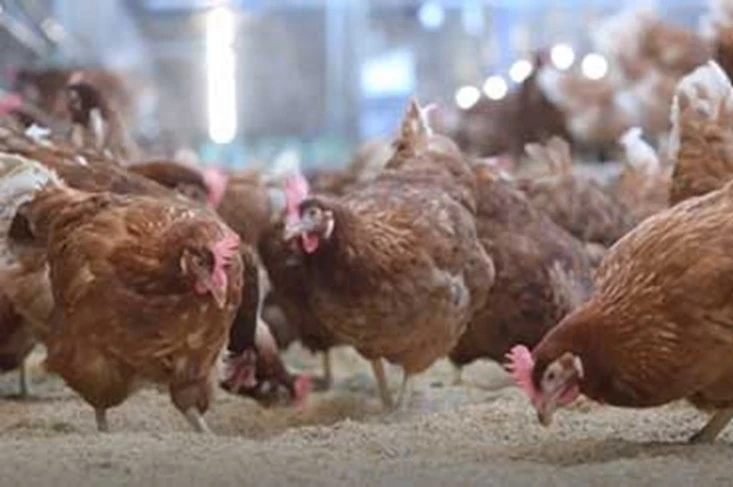
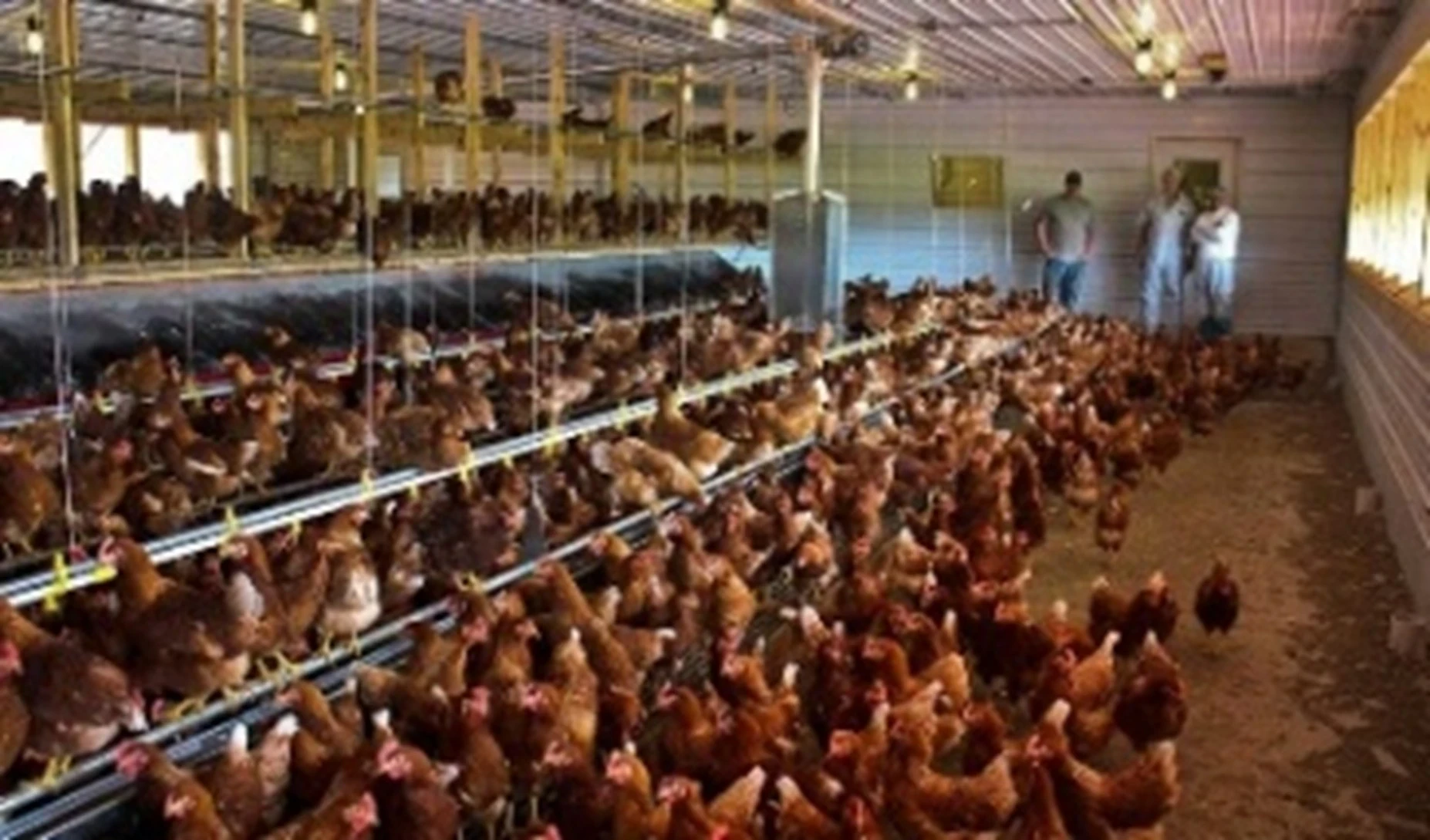
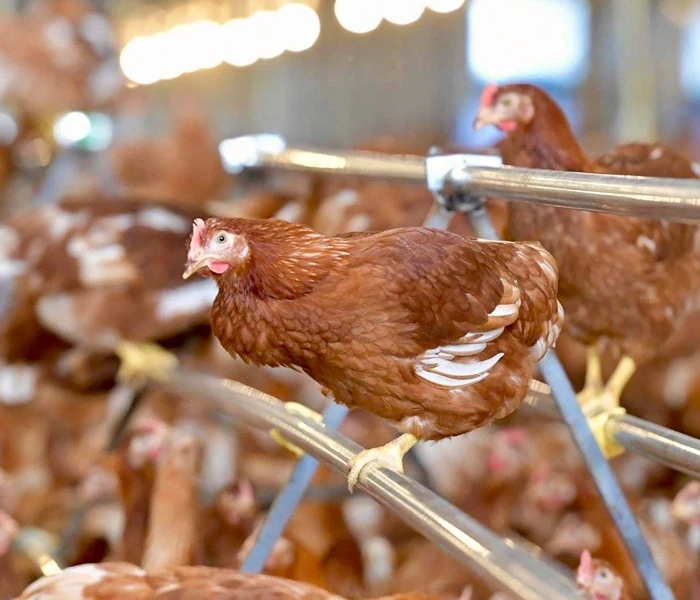
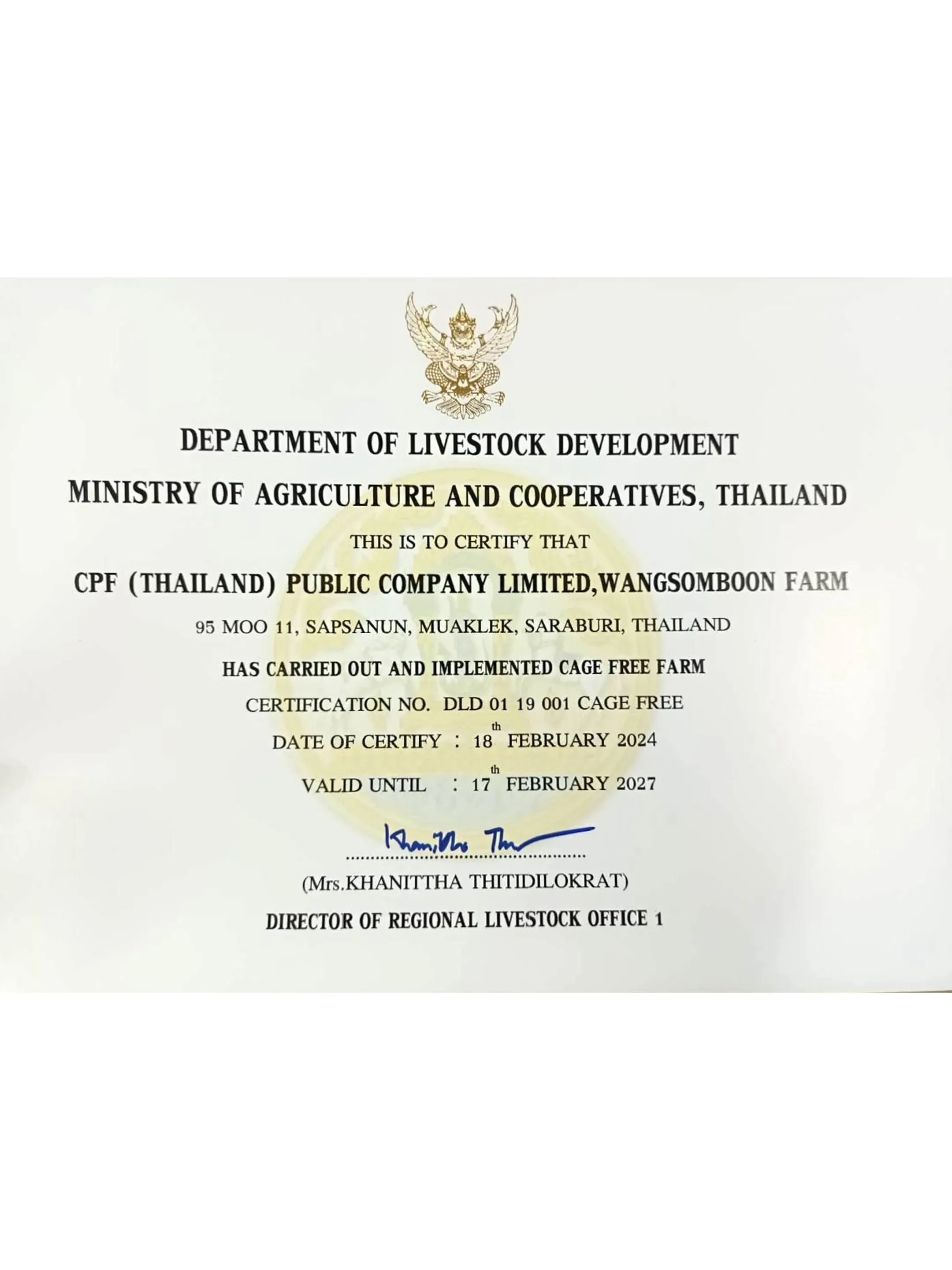
For laying hens, the Company is committed to transitioning from conventional cage systems to cage-free housing systems. This transition commenced in 2019 at the Wang Somboon layer farm in Saraburi Province, Thailand.
In parallel, and in alignment with animal welfare principles, the Company has established a clear policy to control the transportation duration of live animals across all species and all countries of operation. The Company aims to ensure that 100% of live animal transportation is completed within eight hours, using temperature-controlled vehicles with adequate ventilation, to maintain animal comfort throughout the journey. This is supported by the strategic location of livestock farms in close proximity to slaughterhouses.
However, where geographical conditions are not conducive and transportation exceeding eight hours is unavoidable, the Company has implemented contingency measures to mitigate transport-related stress. These include mandatory stops every two hours to provide water and conduct animal welfare checks. In addition, the unloading of live animals from transport vehicles is carried out gently and in strict accordance with animal welfare standards, including the use of designated unloading areas with proper ventilation and appropriate ambient temperatures to ensure animals remain calm and relaxed prior to further handling.
| Average time to transport live animals* (Hours) | ||
|---|---|---|
| 2024 | 2025 | |
| Broiler | 1.8 | 1.4 |
| Meat Duck | 3.0 | 3.9 |
| Layer | 2.0 | 0.6 |
| Swine | 4.0 | 2.9 |
| Shrimp | 2.3 | 3.2 |
Remark:
*Calculated based on the live animal transportation duration across all countries where the Company operates.
In addition, the Company places strong emphasis on ensuring that animals are rendered unconscious or effectively stunned prior to slaughter, using internationally recognized and accepted methods. The Company has set a target for 100% of animals, across all species and in all countries where the Company invests in livestock operations, to undergo pre-slaughter stunning at Company-operated slaughterhouses. This approach is intended to prevent pain and distress, thereby upholding high standards of animal welfare throughout the slaughter process.
- Electrical waterbath stunning : Broiler, Meat duck, Layer, and Fish
- Carbon dioxide or low voltage electric current : Swine
- Ice : Shrimp
- Electric current : Shrimp (Partial)
Enhancing Environmental Enrichment
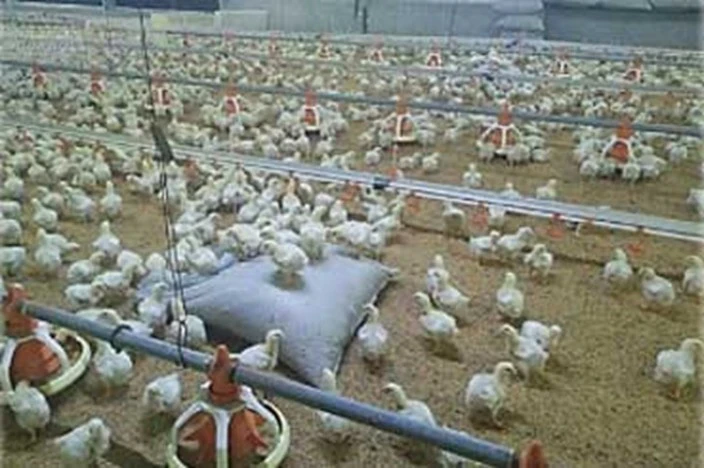
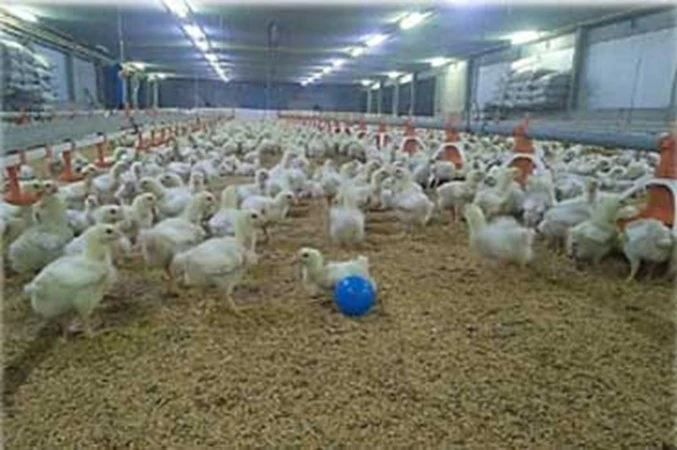
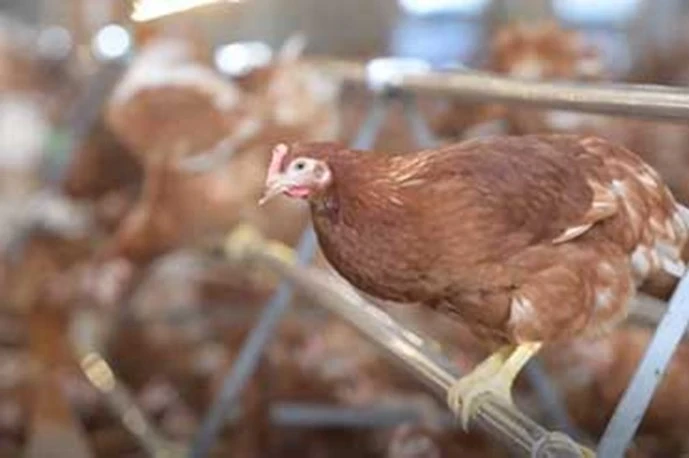
Beyond close care and attentive husbandry, environmental enrichment plays a vital role in fulfilling the basic needs of animals, enabling them to express natural behaviors throughout the rearing period. Accordingly, the Company applies environmental enrichment principles across all livestock species and in all countries of operation to avoid physical discomfort and negative emotional states, while actively supporting the expression of species-specific natural behaviors.
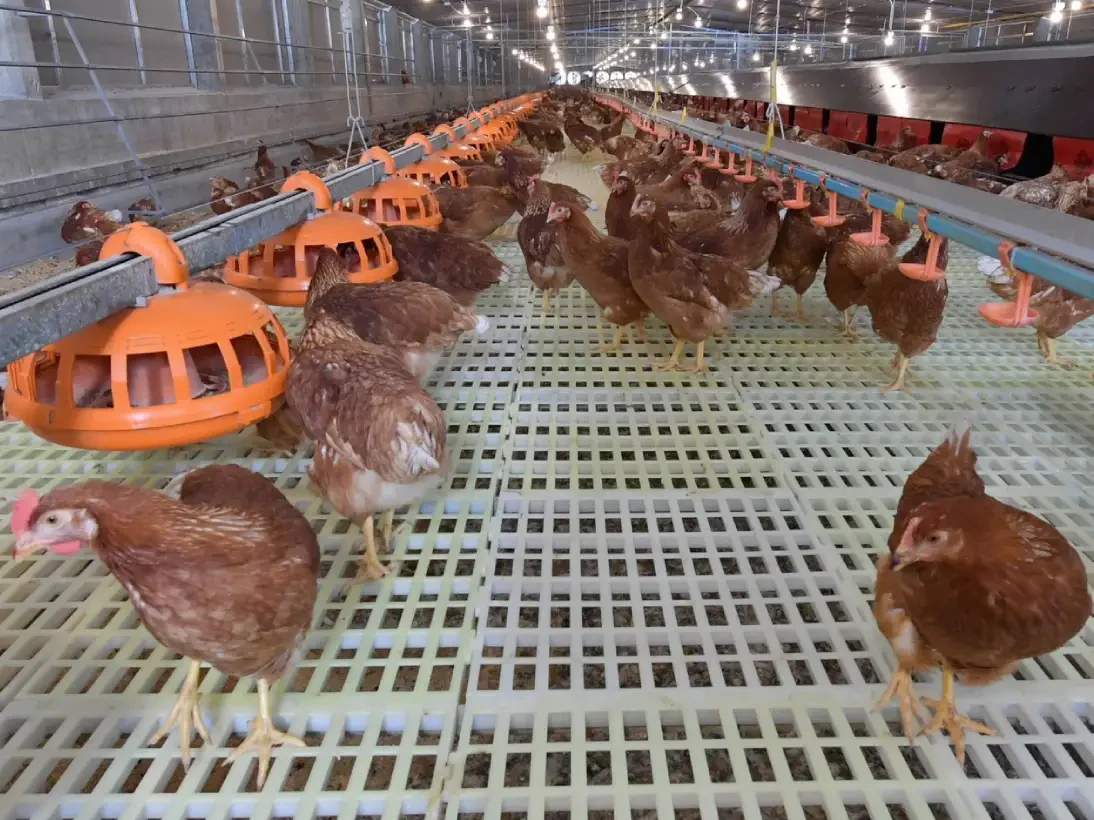
The Company has consistently promoted the enhancement of physical environments for livestock throughout its value chain, ensuring that animals are raised under appropriate conditions that support natural behavior. This commitment is reflected in the continuous improvement and upward trend in performance outcomes over the past three years.
| Enhancement of Physical Environmental (%) | ||||||
|---|---|---|---|---|---|---|
| Broiler | Layer | Meat Duck | Swine | |||
| Sow | Nursery Pig | Wean-to-Finish Pig | ||||
| 2023 | 88.0 | 100* | 83.3 | 41.7 | 60.6 | 90.2 |
| 2024 | 61.5 | 100* | 100 | 56.1 | 40.1 | 89.8 |
| 2025 | 62.6 | 100* | 100 | 58.9 | 83.2 | 90.6 |
Remark:
*Chicken raised in cage-free housing
Broiler Chicken
Layer Chicken
Meat Duck
Swine
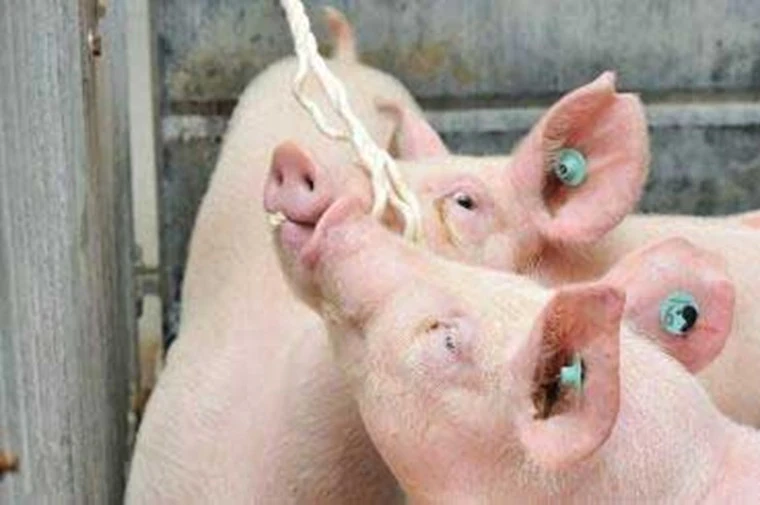
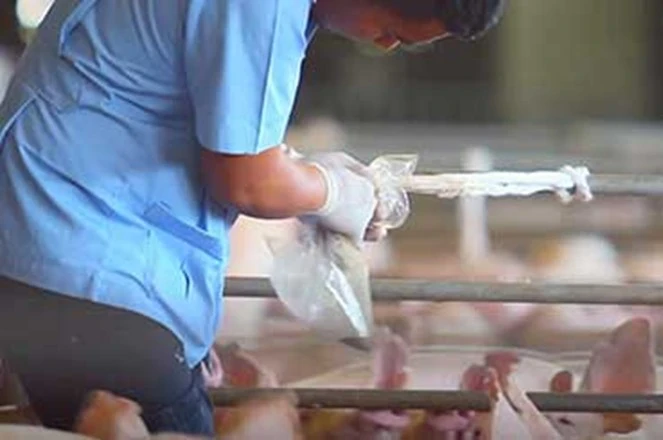
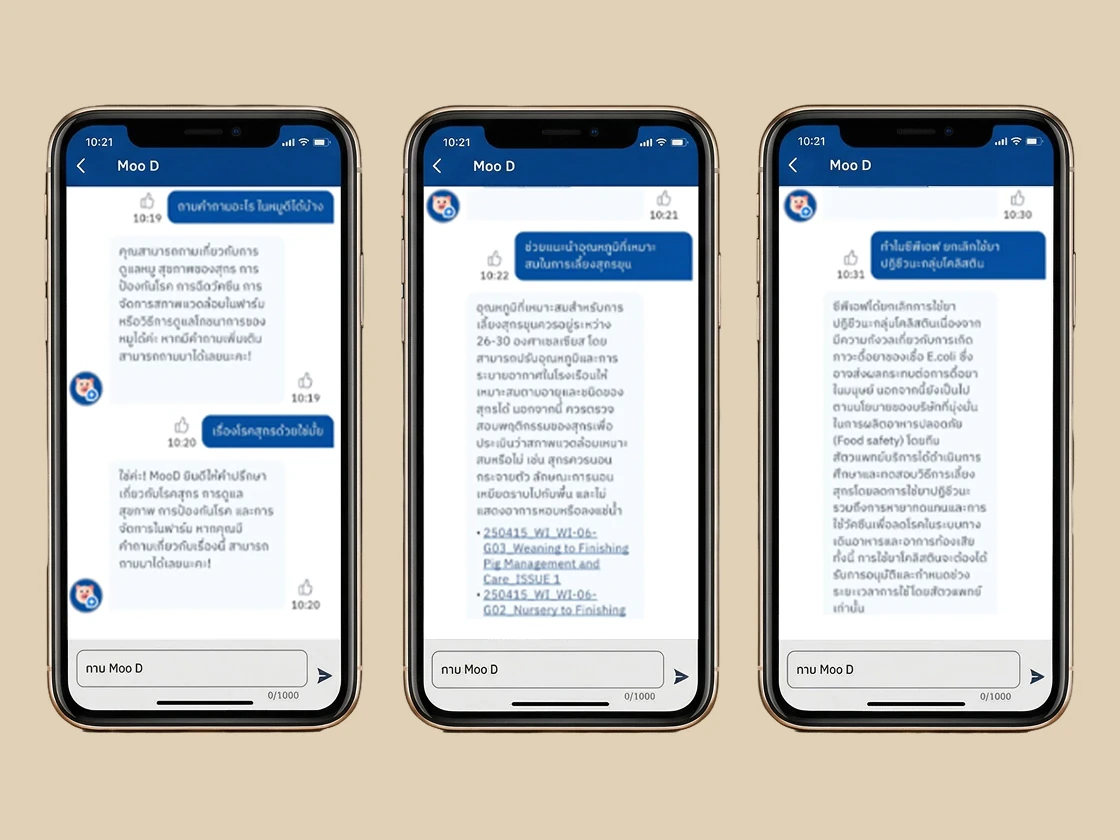
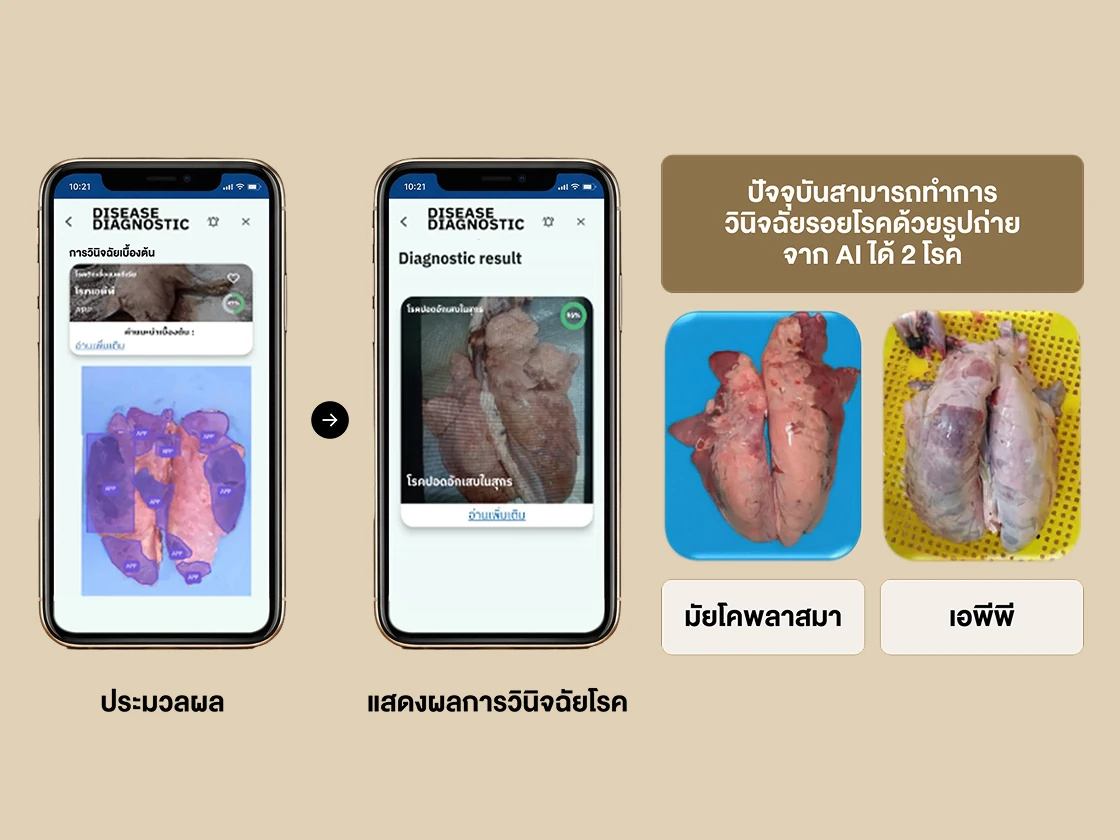
Key Highlights Projects in 2025
MooD Chatbot for Swine Health
Intelligent Diagnostic Application
Salmonella Isolation and Analysis Study

Support and Promotion
The Company places strong emphasis on capacity building for personnel involved in animal handling, with the objective of ensuring proper care for both the physical and psychological well-being of animals in accordance with animal welfare principles, as well as the prevention of animal disease outbreaks. Knowledge transfer is delivered by the Company’s veterinary teams and subject-matter experts to farm managers, livestock technicians, relevant personnel, and farmers participating in all livestock promotion programs.
These initiatives strengthen animal welfare awareness and competence through meetings, seminars, on-site instruction, practical training, and hands-on coaching. In addition, global Animal Welfare Committee virtual meetings are conducted to track implementation progress and facilitate the sharing of knowledge and best practices across worldwide operations.
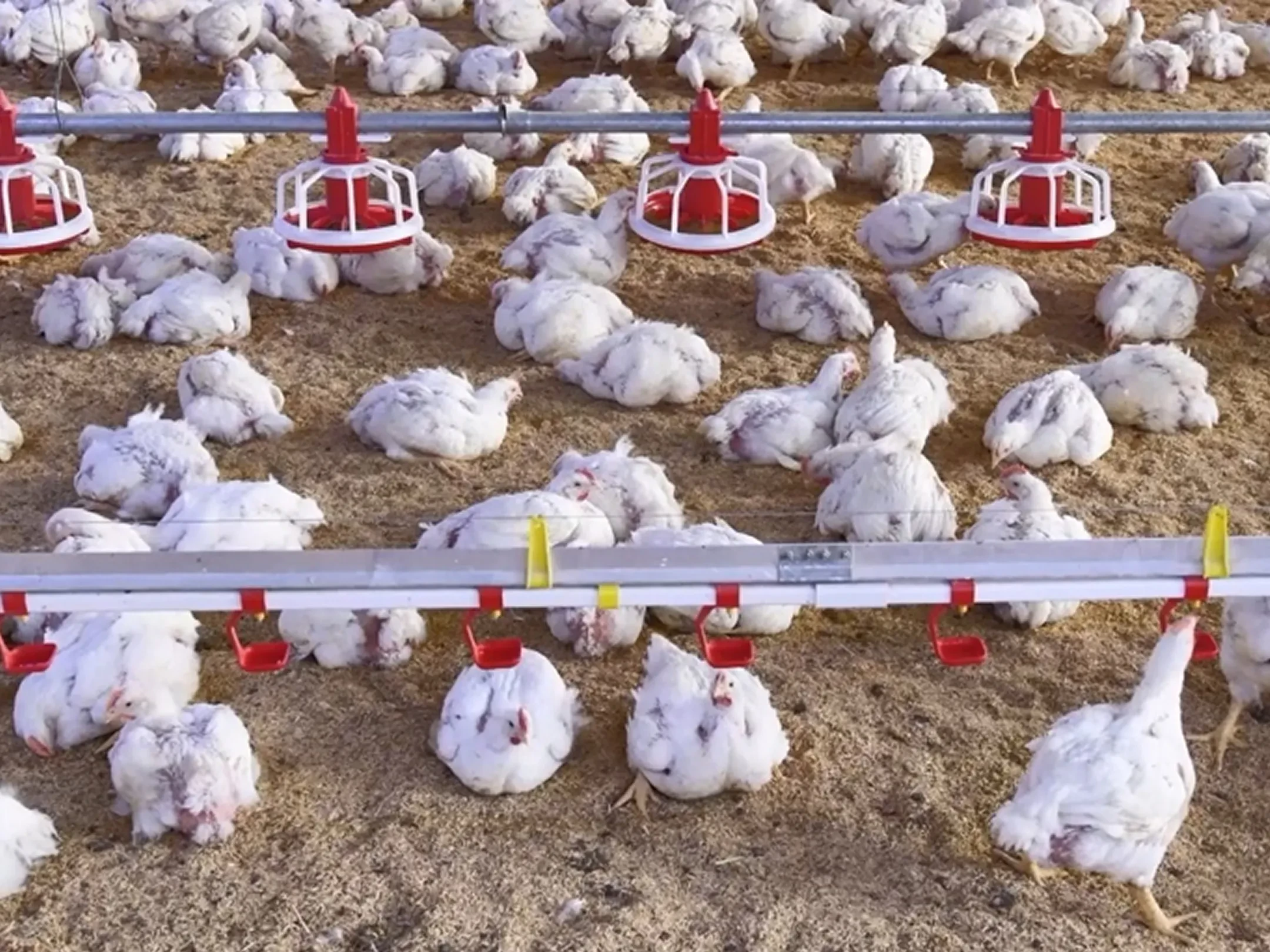
A hands-on workshop to renew the certification of Poultry Welfare Officers (PWOs)
The Company runs ongoing training to ensure that every country where it operates has designated Poultry Welfare Officers (PWOs). Training for overseas teams began in 2017, and full coverage across all operating countries was achieved in 2019. The most recent hands-on workshop took place in Thailand on 15–16 October 2025, led by animal welfare experts from the AW Training Institute (UK).
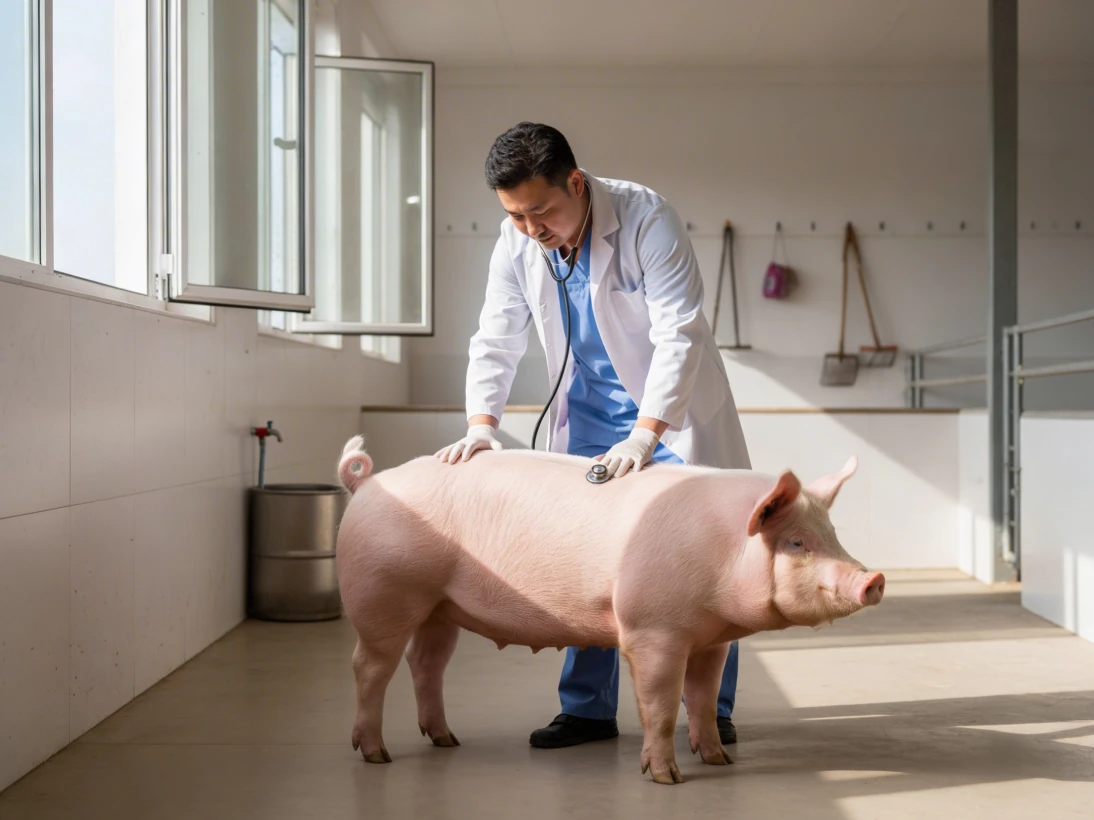
Swine Health and Welfare Training
The swine business in the Company’s operations in Thailand provides annual e-Learning training on Swine Health and Welfare to employees at Company-owned farms as well as to farmers participating in the Company’s livestock promotion programs. The training covers key topics including animal welfare principles, the Five Freedoms, swine behavior, and animal welfare considerations in slaughterhouses and during transportation, among others. This ensures that all personnel handle pigs in accordance with good animal welfare practices.
In addition, the Company disseminates animal welfare–related knowledge to farmers in surrounding communities, including education on major animal diseases, proactive disease prevention measures, and support for vaccination programs for both farmers and the general public. These initiatives contribute to disease prevention, strengthen the resilience of safe food producers, and ultimately enhance consumer protection.
Animal Welfare in the Supply Chain
Driven by its commitment to delivering high-quality animal protein produced under good animal welfare practices to consumers, the Company has conducted an assessment of animal welfare performance across its core products.
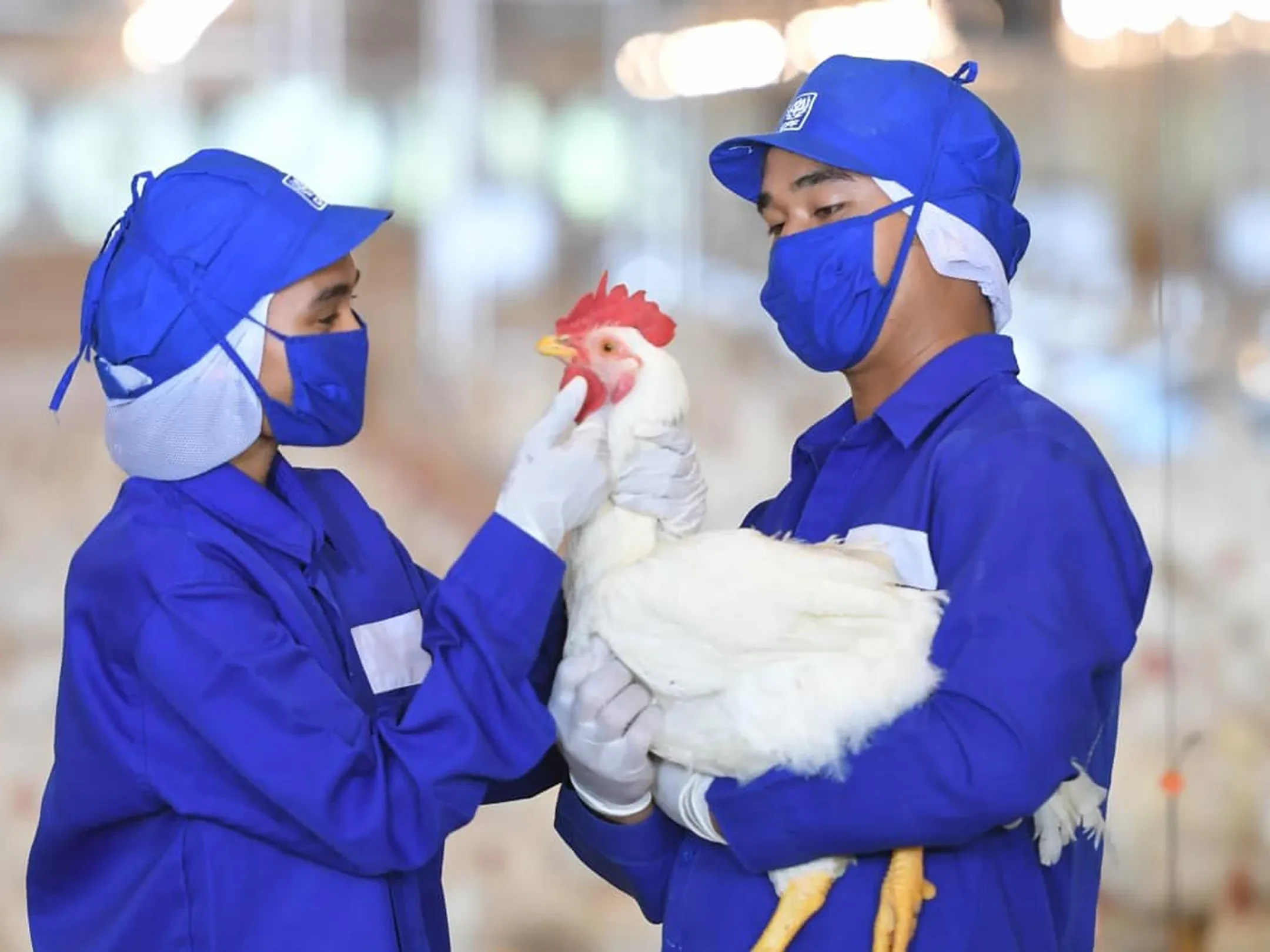
Animal welfare assessment of key products in 2025
| Products from | Animal Welfare Metrics | Production Capacity |
|---|---|---|
| Broiler | From enhancing the physical environment, % | 62.6 4 |
| Meat Duck | From enhancing the physical environment, % | 100 5 |
| Layer | From raising in cage-free housing, million eggs | 41.8 6 |
| Swine | From sows raised in group gestation pens, % | 51.4 7 |
| Shrimp | From non-eyestalk-ablated shrimp broodstock, tonnes | 24 8 |
| Fish | From no fin clipping, % | 100 9 |
Welfare Outcome Measures 2025
| Welfare Outcome Measures (WOMs) | Performance | |||
|---|---|---|---|---|
| 2023 | 2024 | 2025 | ||
| Broiler | Transport Livability, % | 99.80 | 99.91 | 99.75 4 |
| Meat Duck | Transport Livability, % | 99.02 | 99.88 | 99.84 5 |
| Layer | Transport Livability, % | 98.21 | 98.03 | 98.22 6 |
| Swine | Sow Livability, % | 96.86 | 95.41 | 95.63 7 |
| Shrimp | Black Scar Lesion, % | 3.13 | 0.52 | 21.56 8 |
Remarks :
4 The operations cover Thailand, Vietnam, the Republic of China (Taiwan), Cambodia, and Malaysia.
5 The operations cover Thailand, Vietnam, and the Republic of China (Taiwan).
6 The operations cover Thailand, Vietnam, the Republic of China (Taiwan), Cambodia, and Malaysia, with the adoption of cage free egg production in Thailand and the Republic of China (Taiwan).
7 The operations cover Thailand, Vietnam, the Republic of China (Taiwan), Cambodia, and Malaysia, with the adoption of group housing systems in Thailand, Vietnam, the Republic of China (Taiwan), and Cambodia.
8 The operations cover Vietnam and the Philippines.
9 Vietnam operations.
The Company applies animal welfare performance measurement to strengthen continuous improvement in welfare outcomes, monitor breed development, and manage livestock practices that prioritize animal welfare while adapting to local climatic conditions. These measurements are also included as KPIs for personnel directly involved in livestock management.
Auditing
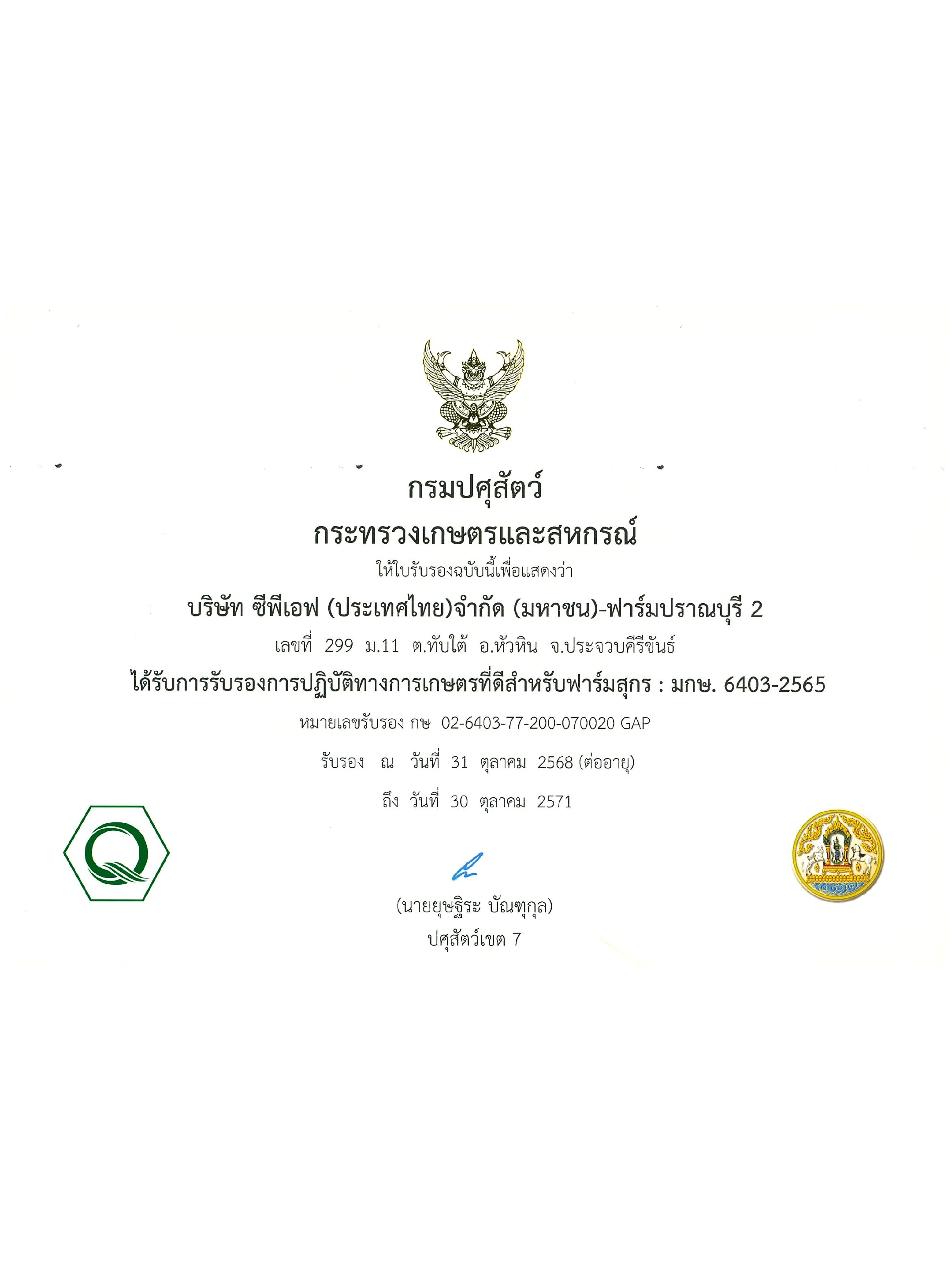
All Company-operated animal farms and contract farms under the Company’s livestock promotion programs in all countries of operation are subject to audit and assessment at least once every three years. These farms hold livestock product certification issued by the relevant government authorities, with standards covering animal welfare management and aligned with established quality systems such as GAP and GMP.
Certified Advanced Animal Welfare 10
Broiler Chicken
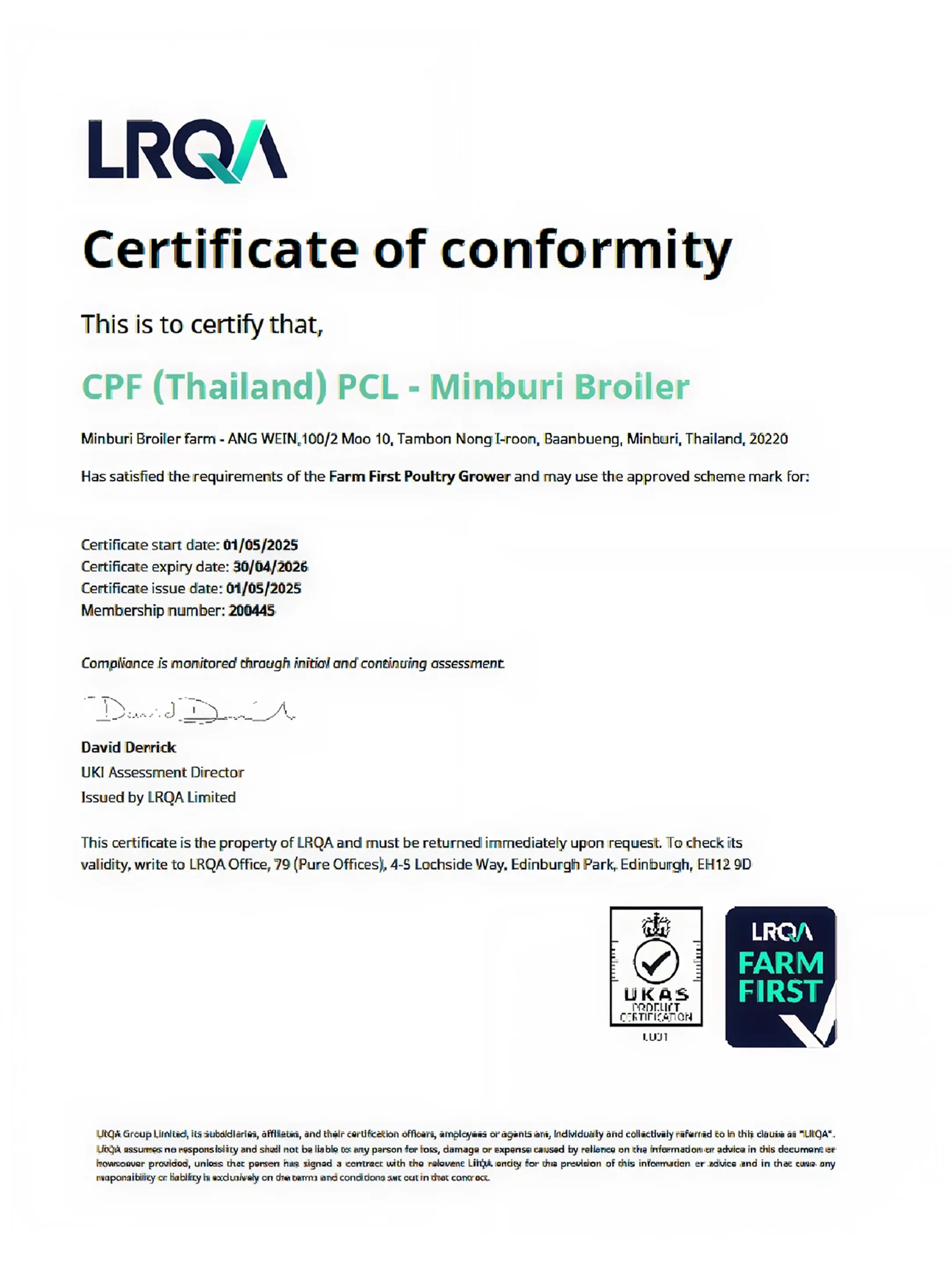
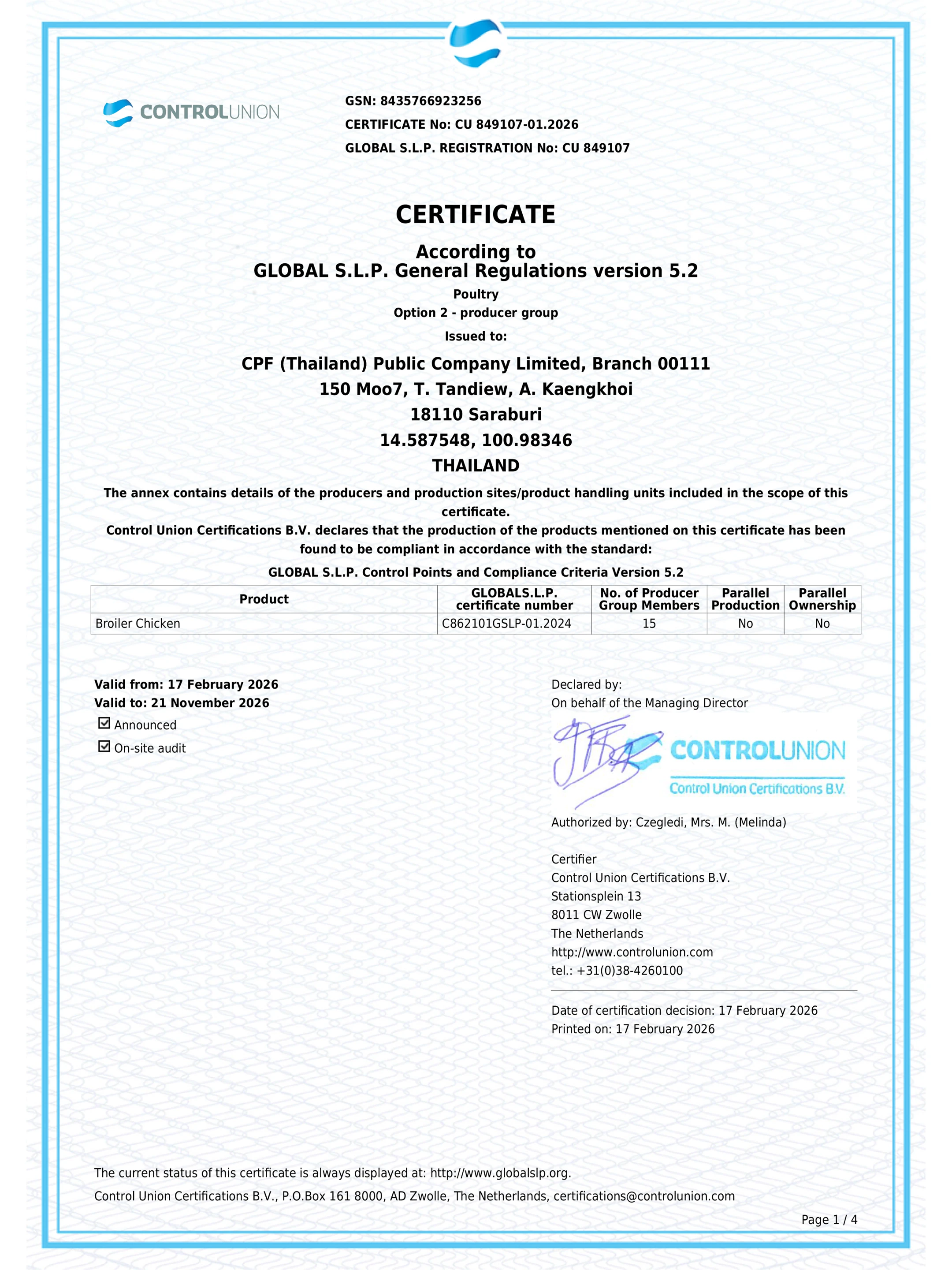
Thailand : Global GAP by Control Union International, Farm First Poultry Welfare Standard by Lloyd’s Register UK, Compartmentalization System, Raised without Antibiotics (RWA) by NSF, National Sanitation Foundation Global Animal Wellness Standards (NSF GAWS)
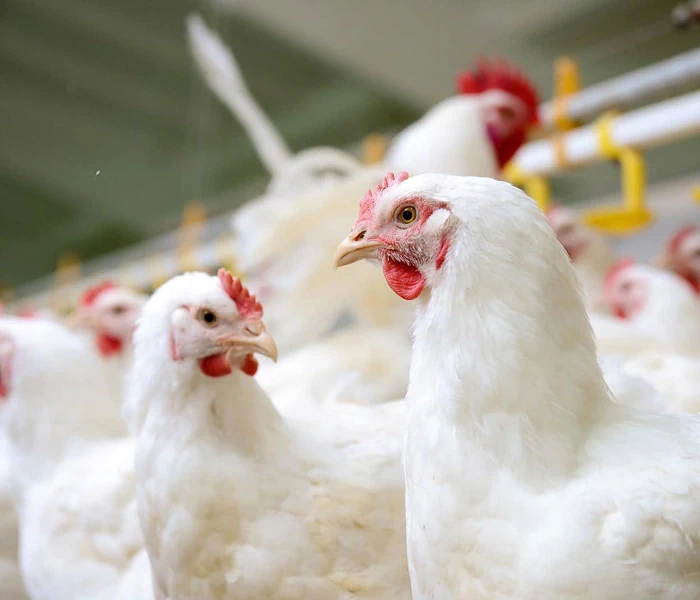
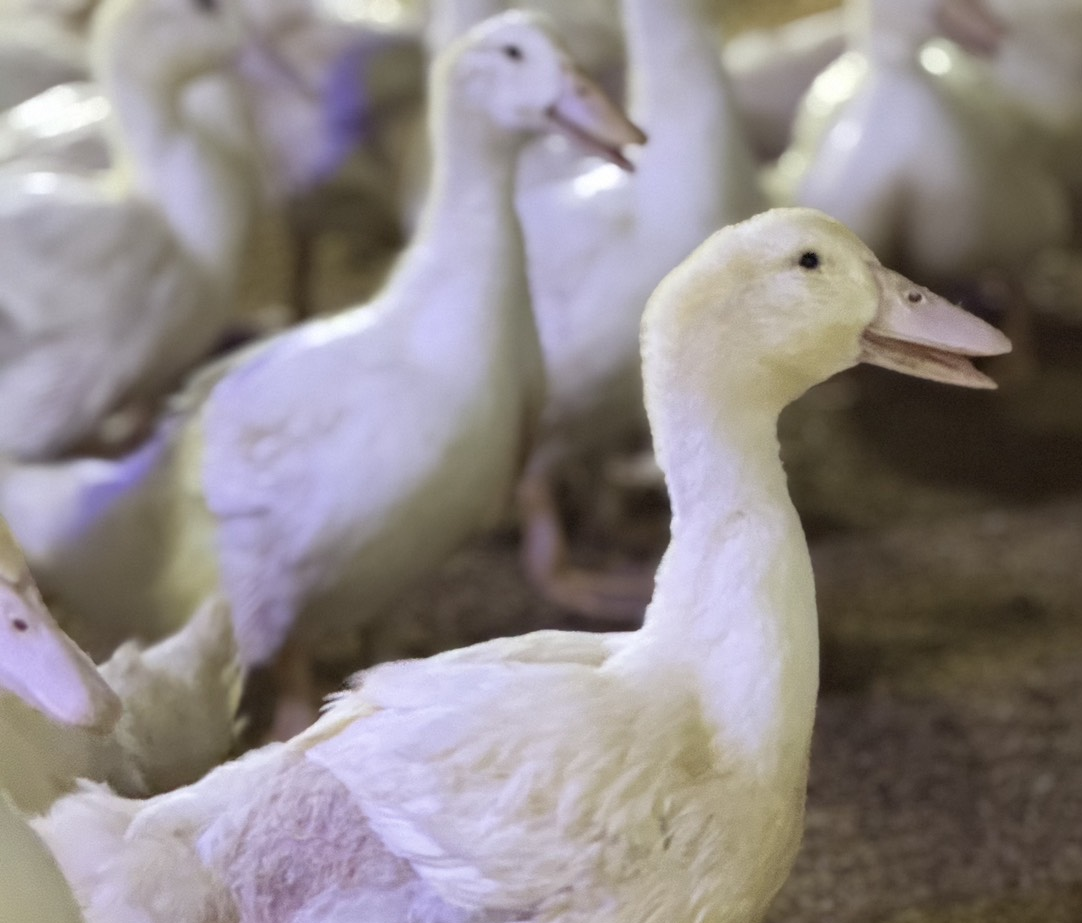
Meat Duck
Thailand : LR Poultry Scheme, Compartmentalization System
Layer Chicken
Thailand and Republic of China (Taiwan) : Cage-free Eggs Standard
Swine
Thailand : Raised Without Antibiotics (RWA) by NSF
Thailand and Philippines : Global GAP
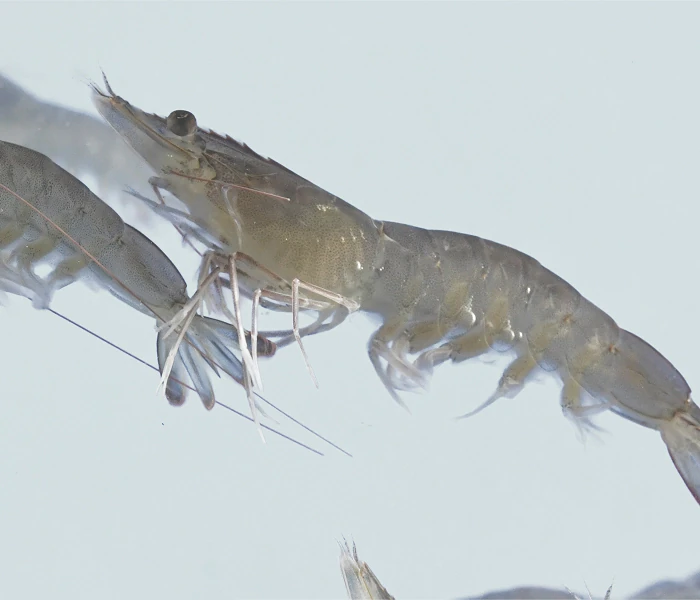
Shrimp
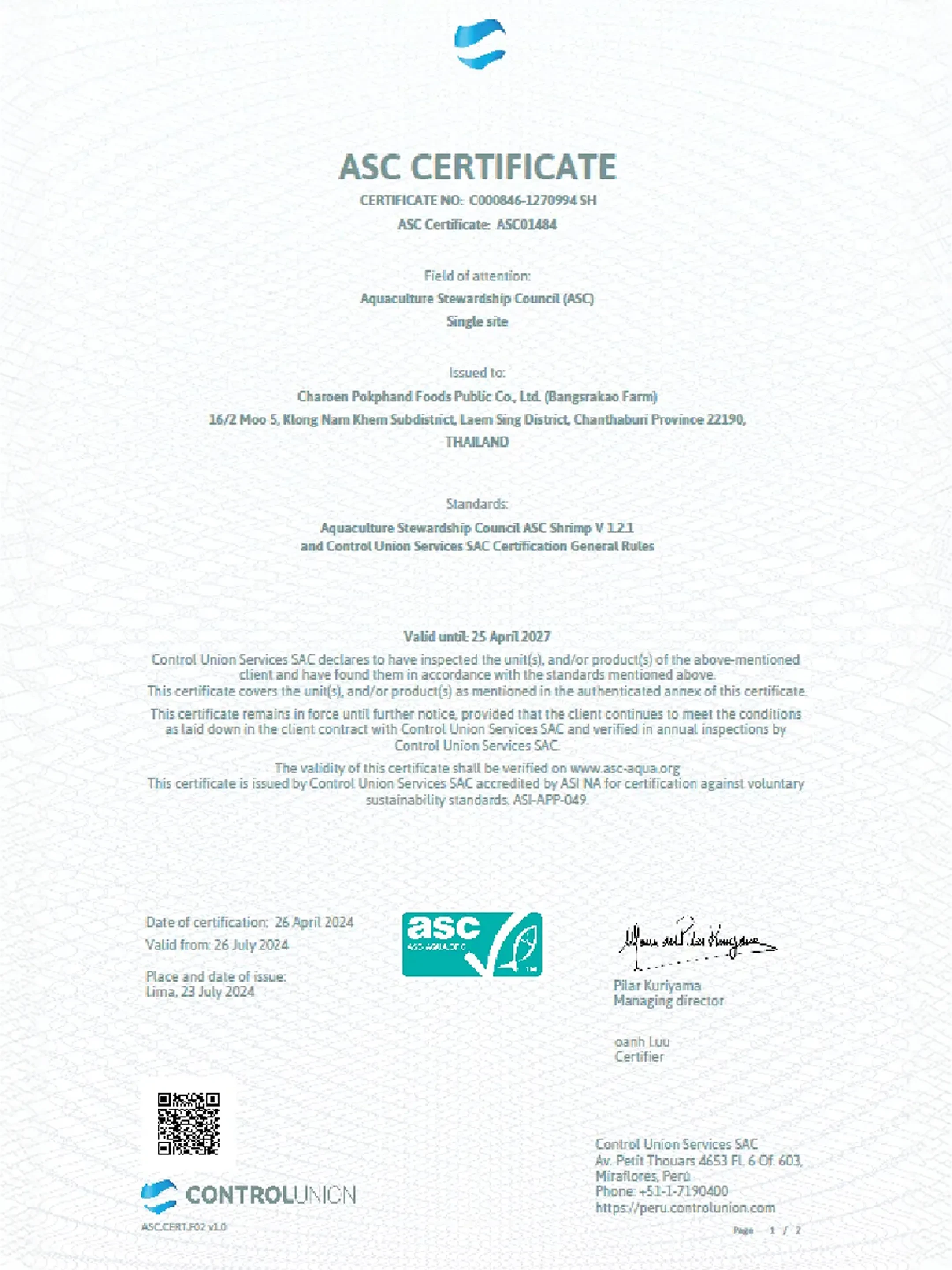
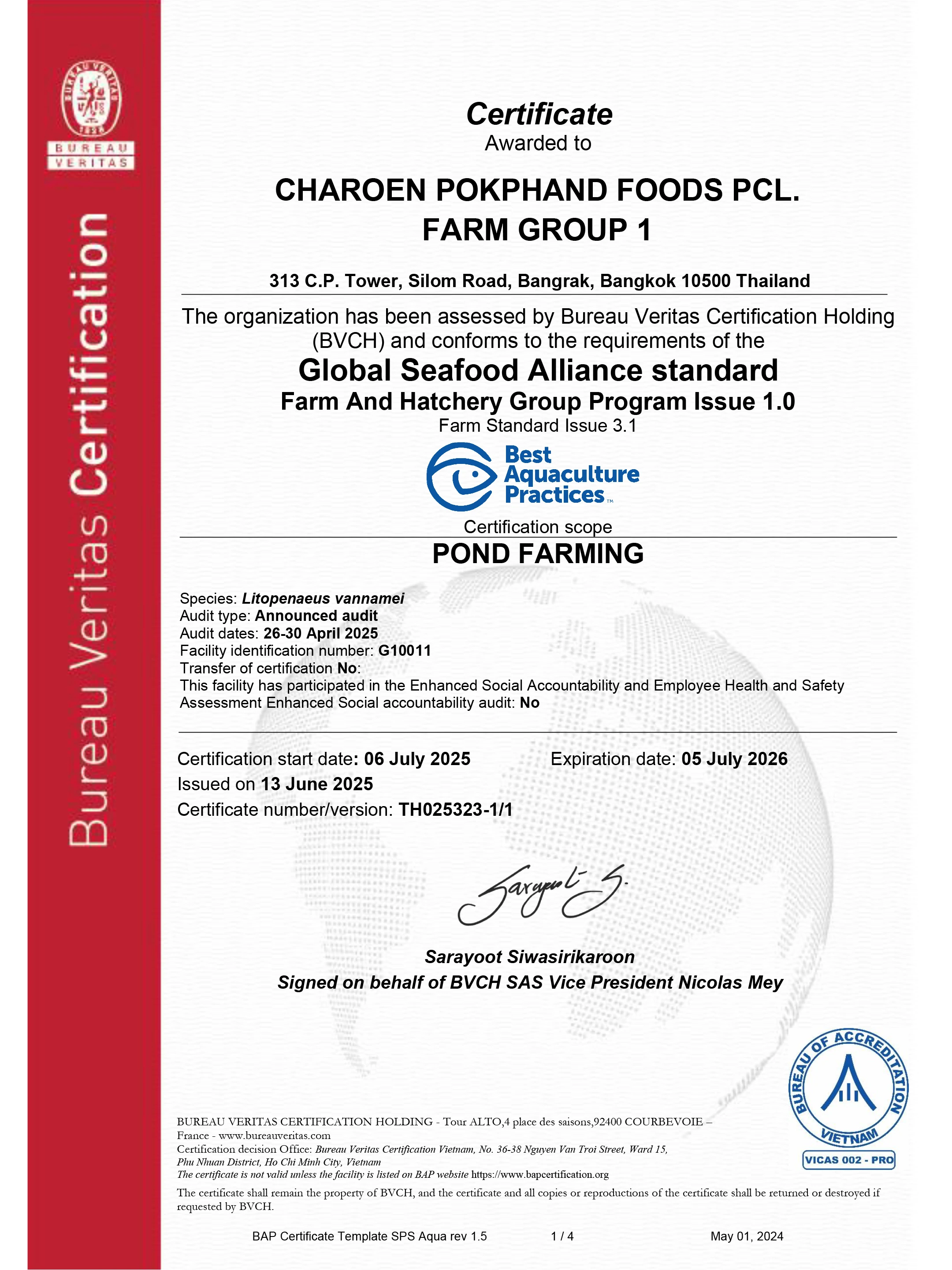
Thailand and Vietnam : Best Aquaculture Practices (BAP), Aquaculture Stewardship Council (ASC)
Remark
10 The certification does not yet cover all farms.
In line with the Company’s commitment to animal welfare, the Company affirms that all fresh and processed meat products—including those under Company brands, customer brands, and products distributed in both domestic and international markets—originate exclusively from high-quality farms that comply with stringent hygiene, food safety, and consumer protection requirements.
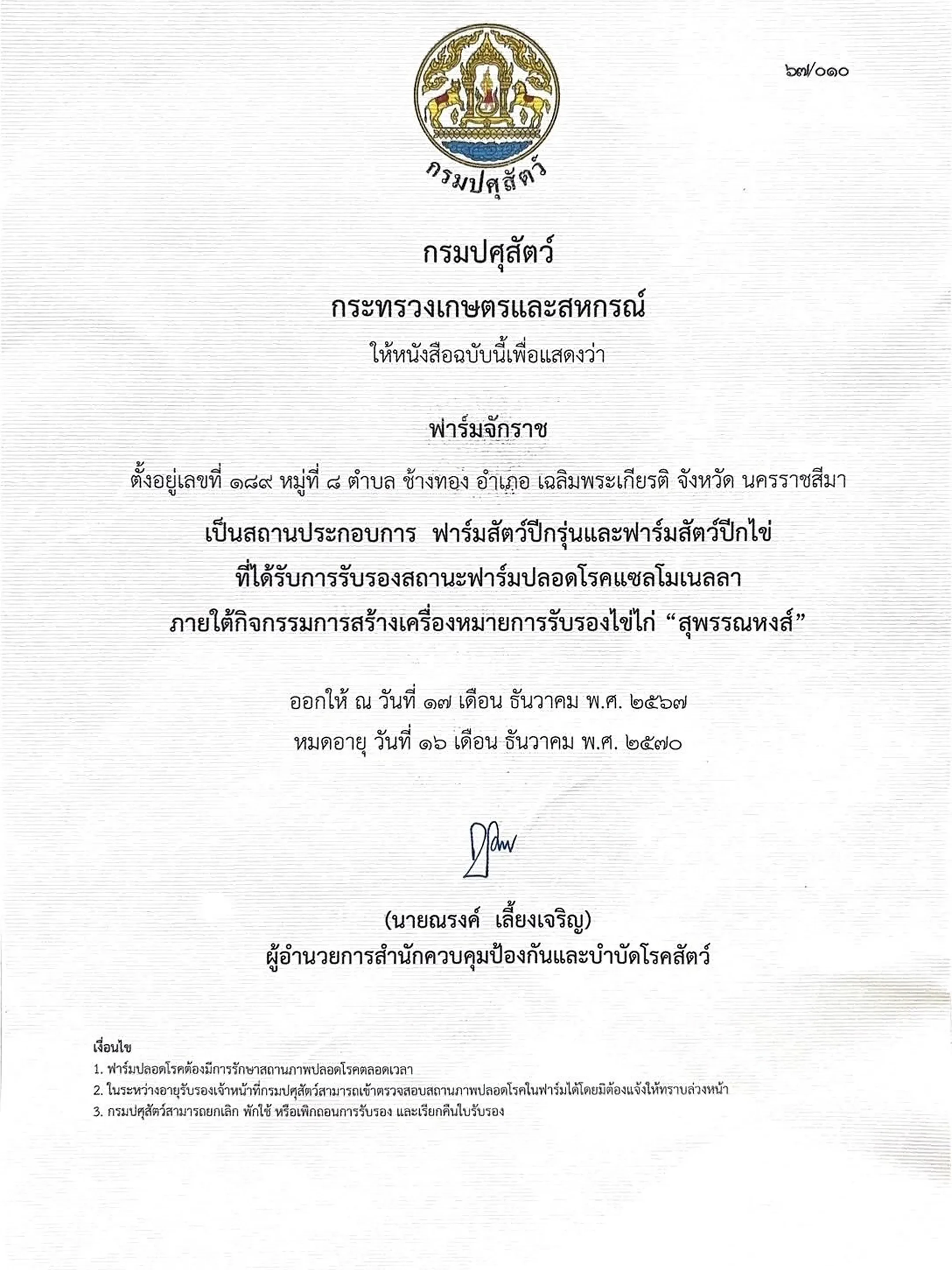
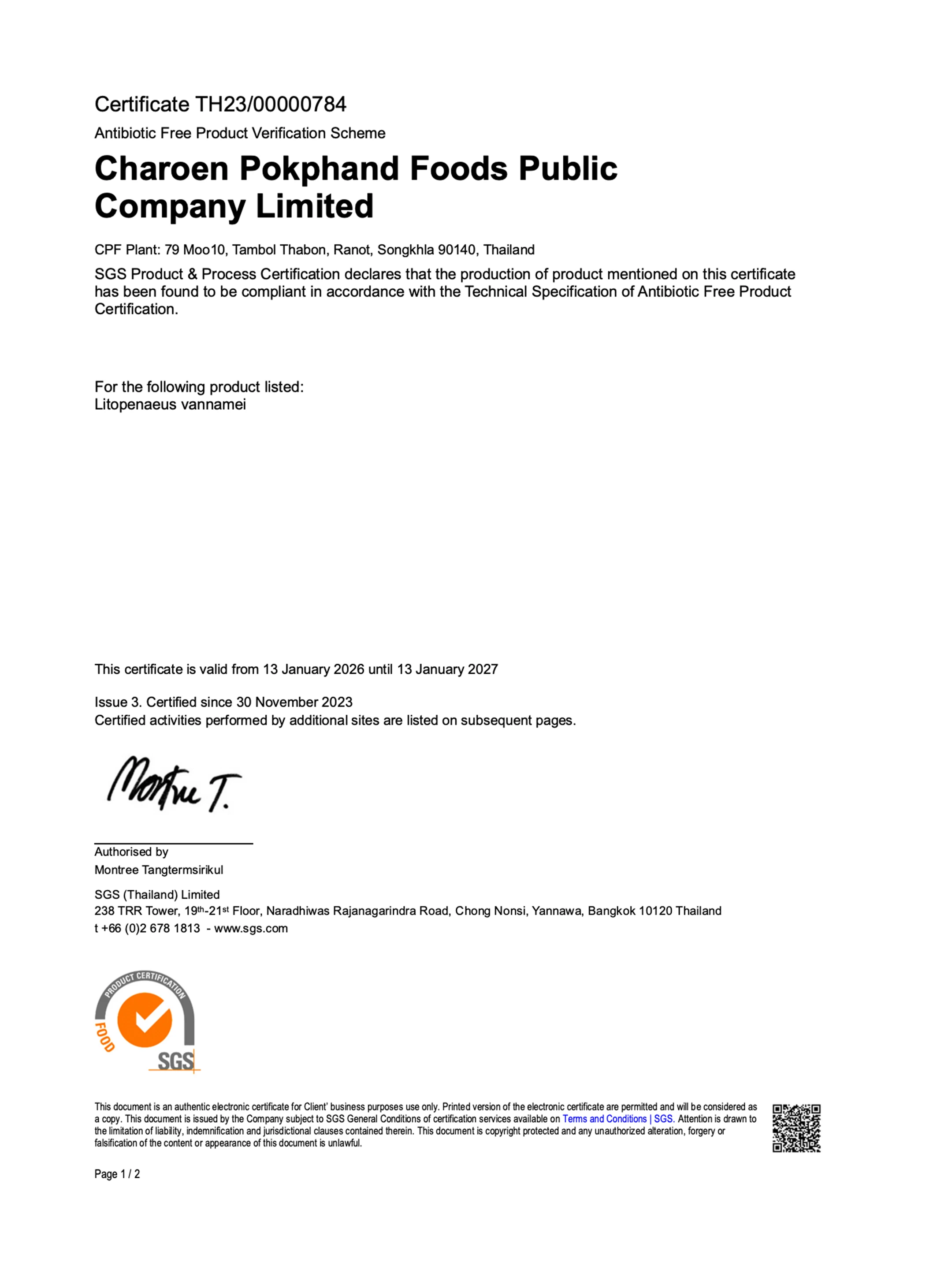
Examples of International Standards Certification for Animal Welfare Management
Building Cooperation and Alliance Networks
The Company has continuously collaborated with the Seafood Task Force (STF), an international multi-stakeholder initiative comprising leading seafood companies, retailers, non-governmental organizations, and subject-matter experts. This collaboration aims to enhance responsibility and accountability across the shrimp and seafood supply chains, with a strong focus on the protection of human and labor rights, the promotion of sustainable fisheries and aquaculture practices, and the strengthening of supply chain transparency and traceability.
The Seafood Task Force operates through a structured framework of Working Sub-Groups, bringing together representatives from member companies and expert organizations to develop best practices, standards, and practical tools for managing labor and environmental risks within the farmed shrimp and seafood industries. The Company is a founding member of the STF and plays an active and influential role in advancing its initiatives.
Over the past year, the Company has actively contributed to the exchange of knowledge, experience, and best practices related to responsible labor management, raw material traceability, and supply chain risk assessment. These contributions support the development of operational frameworks aligned with international human rights principles and help to strengthen stakeholder confidence across the entire supply chain.
This collaboration has contributed to the continuous improvement of business standards for both the Company and STF members, reinforcing transparency, accountability, and long-term sustainability within the seafood industry.
